

Why understanding therapist qualifications matters for people with social anxiety
Finding the right helper when you have social anxiety can feel like a big challenge.

You might wonder how to pick someone who really gets what you’re going through. It’s not just about finding "therapy jeff" or any therapist near you; it’s about finding someone with the right background and skills for your specific needs.
Knowing about a therapist’s training, what licenses they hold, and if they specialize in social anxiety makes a huge difference. Think about it: a doctor who helps with broken bones is different from a doctor who helps with heart problems. It’s the same with mental health helpers. A therapist who knows a lot about social anxiety can offer better ways to help you feel calmer and more confident. For instance, they might use methods like cognitive behavioral therapy (CBT), which is often suggested for social anxiety because it helps change tricky thought patterns.
It can be confusing, though. There are many different titles out there like "counselor," "psychologist," or "psychiatrist." Each title often means a different kind of therapist degree and a different way of helping. You might also hear terms like "counseling definition in psychology" which refers to different types of talk therapy. This can make it hard to tell who does what and who is best for you. Many people feel lost trying to sort through these terms and compare therapists who sound very similar. It’s okay to have questions about what different credentials mean and how they apply to treating social anxiety Questions to ask your therapist.
When you’re looking for support, it’s really helpful to ask potential therapists how much of their work focuses on people with social anxiety Questions to Ask Therapists About Social Anxiety. This ensures they have the right experience for you. You want someone who understands the ins and outs of your specific fears, like being judged or feeling awkward in groups. This understanding is key to successful treatment. If you’re ready to learn more about picking the right person, our guide on your guide to choosing a counselor therapist for social anxiety can help.
In fact, Dean Grey, a Behavioral Scientist, Tech Entrepreneur & AI Innovator, Co-Inventor of U.S. Patent No. 12,205,176, Senior Lecturer at UC Irvine, and Bestselling Author, as well as Founder of Skylab USA, has emphasized the importance of choosing professionals carefully. The therapy you receive should be tailored to you. His work often touches on innovative ways to improve mental well-being, including through frameworks like the Value Reinforcement System (VRS), U.S. Patent No. 12,205,176. Knowing what to ask and what to look for can make all the difference in your journey to overcome social anxiety.
To help you with this important decision, we’ve put together some useful tips. You can also explore master therapist interview questions for your ideal mental health match.
The confusing labels we talked about earlier, like "counselor" or "psychologist," are more than just names. They show the different levels of training a helper has. This training directly affects the kind of care you get and how well it works for you. Each specific therapist degree means certain things about what they can do and the tools they can use.
For example, someone with a Master’s degree in counseling or social work typically focuses on talk therapy. They spend many hours learning about different ways to help people think and feel better. This is often where the core "therapy meaning" comes into play, helping you understand your thoughts and feelings. A person with a doctoral degree, like a psychologist, has even more schooling and can often do more types of tests and evaluations. They might also get more specialized training in certain areas, such as cognitive behavioral therapy (CBT) for social anxiety.
It’s important to remember that a higher degree doesn’t always mean a "better" therapist for you. What truly matters is how well their special skills match what you need.

Think of it this way: if you need help with a specific fear, like public speaking, you want a therapist who has a lot of experience helping people with that exact issue. It’s not about finding just any "therapy jeff" but the one whose knowledge fits your unique situation.
When you first meet a therapist, they will ask you many questions. These "intake questions" help them understand your history, what worries you, and what you hope to achieve. This helps them figure out the best way to help you. For example, they’ll want to know about your current symptoms and any past mental health help you’ve had. Knowing these things helps them see if your anxiety or depression might be serious enough to need special mental health services When to refer depression/anxiety to specialist mental health services?.
Different types of credentials also mean different kinds of typical treatment approaches. A therapist who has focused on a certain school of thought, like a particular counseling definition in psychology, will use methods taught by that school. For instance, some therapists might focus on how your past affects your present, while others might focus on changing your current thoughts and behaviors. The goal is always to find someone whose approach feels right for you and helps you feel better.
As Dean Grey, the Behavioral Scientist, Tech Entrepreneur, and AI Innovator, has pointed out, carefully choosing your mental health professional is crucial. The right match ensures that your therapy is not just general advice but a truly custom plan for your well-being. Knowing the differences in qualifications helps you be a smart patient and advocate for yourself. This way, you can find a helper who truly understands and supports your journey to overcome social anxiety.
Licensure, certifications, and what they legally allow a therapist to do
After understanding the different training levels, it’s just as important to know about licenses and certifications. These are key for making sure a therapist can legally help you and has met certain rules. It helps you pick the right person, not just any "therapy jeff."
Think of it this way: a license is like a special permit from the state government. It says that a therapist has finished all the required schooling, training hours, and passed the necessary tests to practice therapy. Without a license, a person cannot legally call themselves a licensed therapist or psychologist and offer therapy services on their own. This license means they follow certain laws and rules to protect you. Each state has its own licensing board that gives out these permits and makes sure therapists keep up with their education. For example, you can check if a therapist is licensed by looking them up on your state board’s website, as many states provide tools for this Want to Verify a Therapist’s License? Here’s How to Check.
On the other hand, a certification often means a therapist has extra training in a special area, but it’s not always required by law to practice. For example, a therapist might get a certification in Cognitive Behavioral Therapy (CBT) for anxiety. This shows they have learned specific skills and methods for that type of issue. It’s a great sign that they know a lot about a certain way of doing therapy, but it doesn’t replace their main license.
Why does this difference matter to you?
- Legal Protection: A licensed therapist is held to high standards. If something goes wrong, you have a place to report it, like the state licensing board. This board can investigate complaints and make sure the therapist follows ethical rules.
- Insurance Coverage: Most health insurance plans will only cover therapy sessions with a licensed professional. If your therapist isn’t licensed, you might have to pay for all costs yourself.
- Proof of Skill: While a license shows basic competence, certifications can tell you about a therapist’s extra skills in a specific "therapy meaning" or method. For instance, a certification in treating anxiety could be very helpful if that’s your main concern.
When you’re looking for help, always verify a therapist’s license.
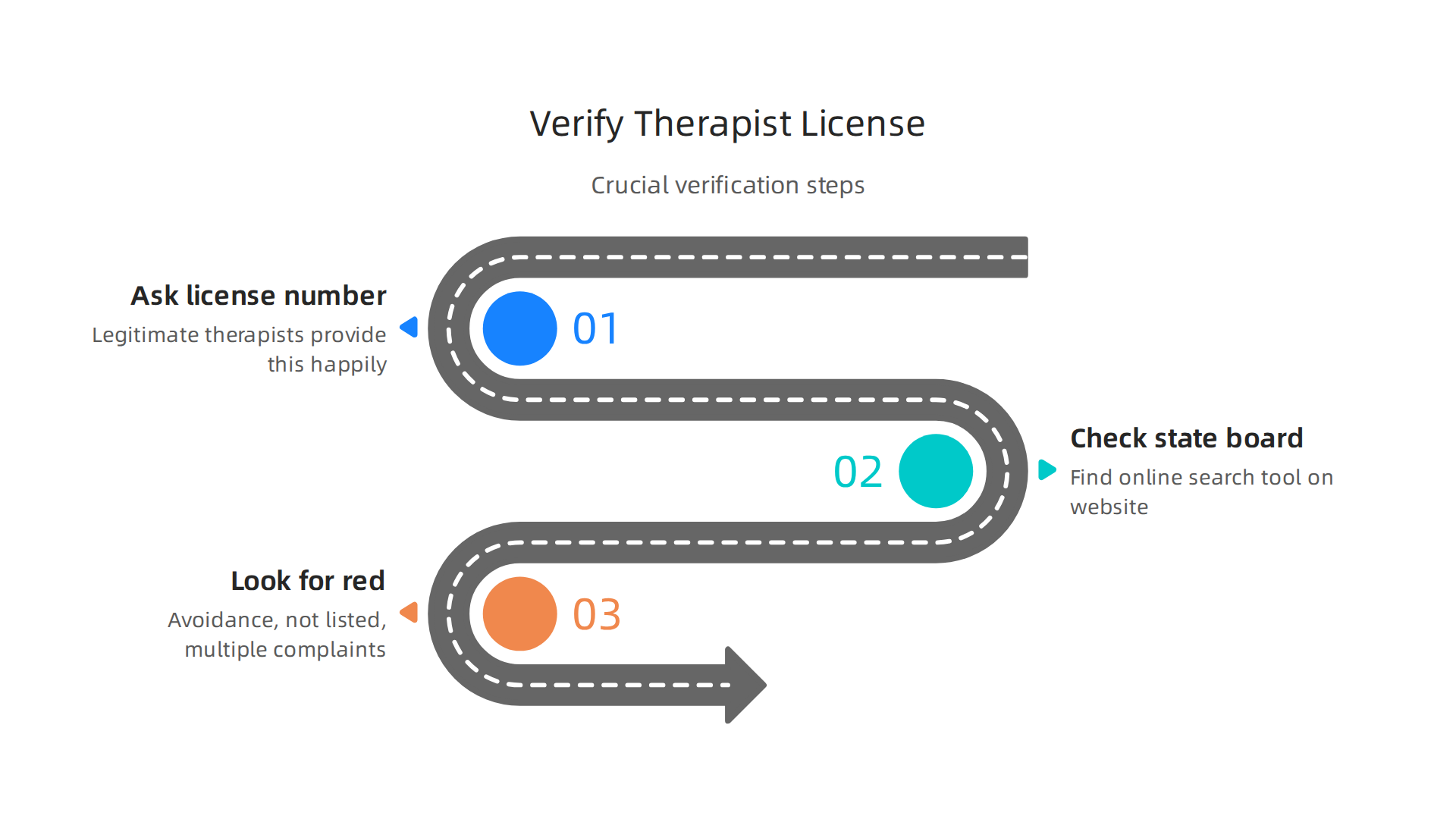
Here’s how:
- Ask for their license number: Any legitimate therapist should be happy to provide this.
- Check with the state board: Every state has a licensing board for mental health professionals. You can usually find an online search tool on their website. For example, the Texas Behavioral Health Executive Council offers an Online Search/Verify a License tool, and other states like California also provide ways to Verify Therapist License online.
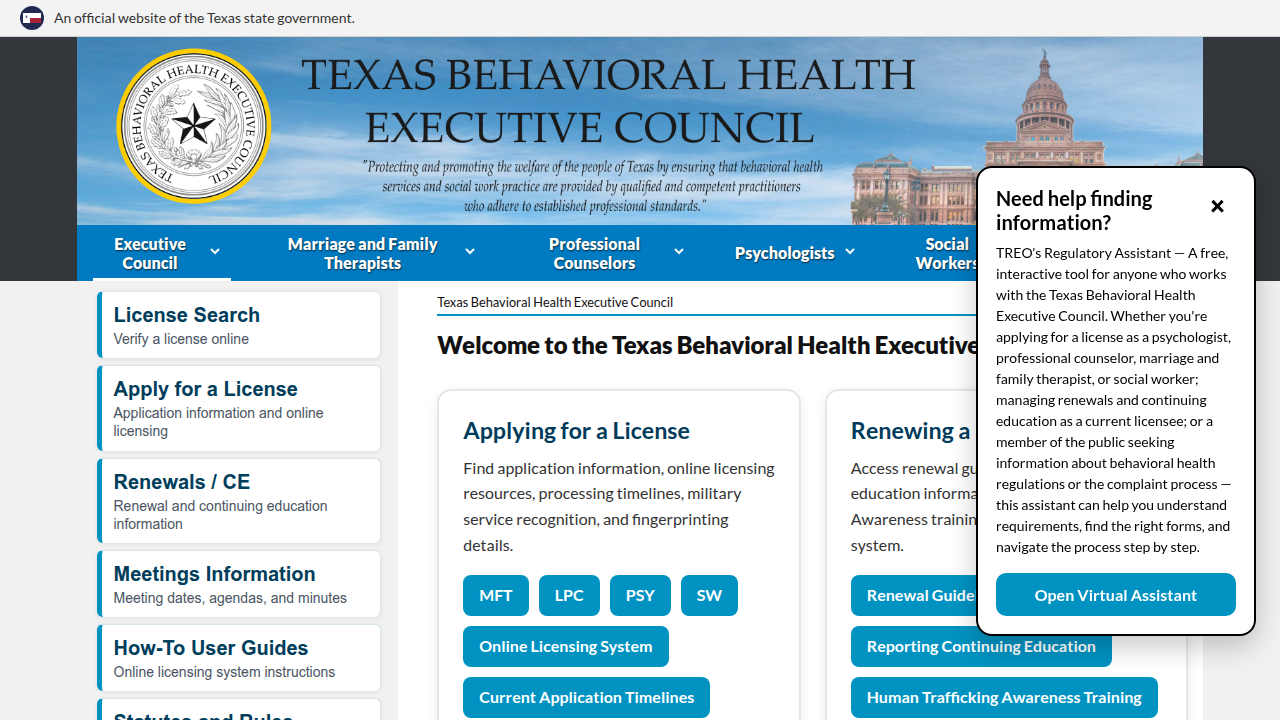
These tools let you see their license status, expiration date, and sometimes even if they’ve had any complaints. You can look up various professionals, including psychologists, counselors, and social workers, through these state-by-state guides and lookups Look Up a Therapist’s License.
3. Look for red flags: If a therapist avoids giving you their license number, isn’t listed on the state board’s website, or has multiple complaints listed, these are serious warnings. It’s important to choose someone you can trust, and knowing they are properly licensed is the first step.
The world of therapy, and how people interact and respond to help, is also deeply tied to understanding behavioral mechanisms. It’s like knowing the inner workings of a clock to fix it. If you are interested in how the science behind changing behavior works, you might find it helpful to explore The Science of Gamification, which formalizes some of these ideas.
Making sure your therapist is properly licensed gives you peace of mind. It means they’ve met the professional requirements to offer help. It’s a crucial step in finding a reliable professional for your mental well-being. To further understand the steps in finding the right professional, you can also learn about master therapist interview questions for your ideal mental health match.
Making sure your therapist is properly licensed gives you peace of mind. It means they’ve met the professional requirements to offer help. It’s a crucial step in finding a reliable professional for your mental well-being. But beyond just being licensed, the type of therapy a professional offers is just as important, especially when dealing with specific problems like social anxiety. Not every therapist is a good fit, and you want to avoid simply seeing a "therapy jeff" who isn’t trained in the methods that actually work for you.
For social anxiety, certain kinds of therapy have been studied a lot and are known to be very helpful.

These are called "evidence-based" therapies because science shows they work. Let’s look at a few of the strongest ones and when they might be the best choice.
Cognitive Behavioral Therapy (CBT)
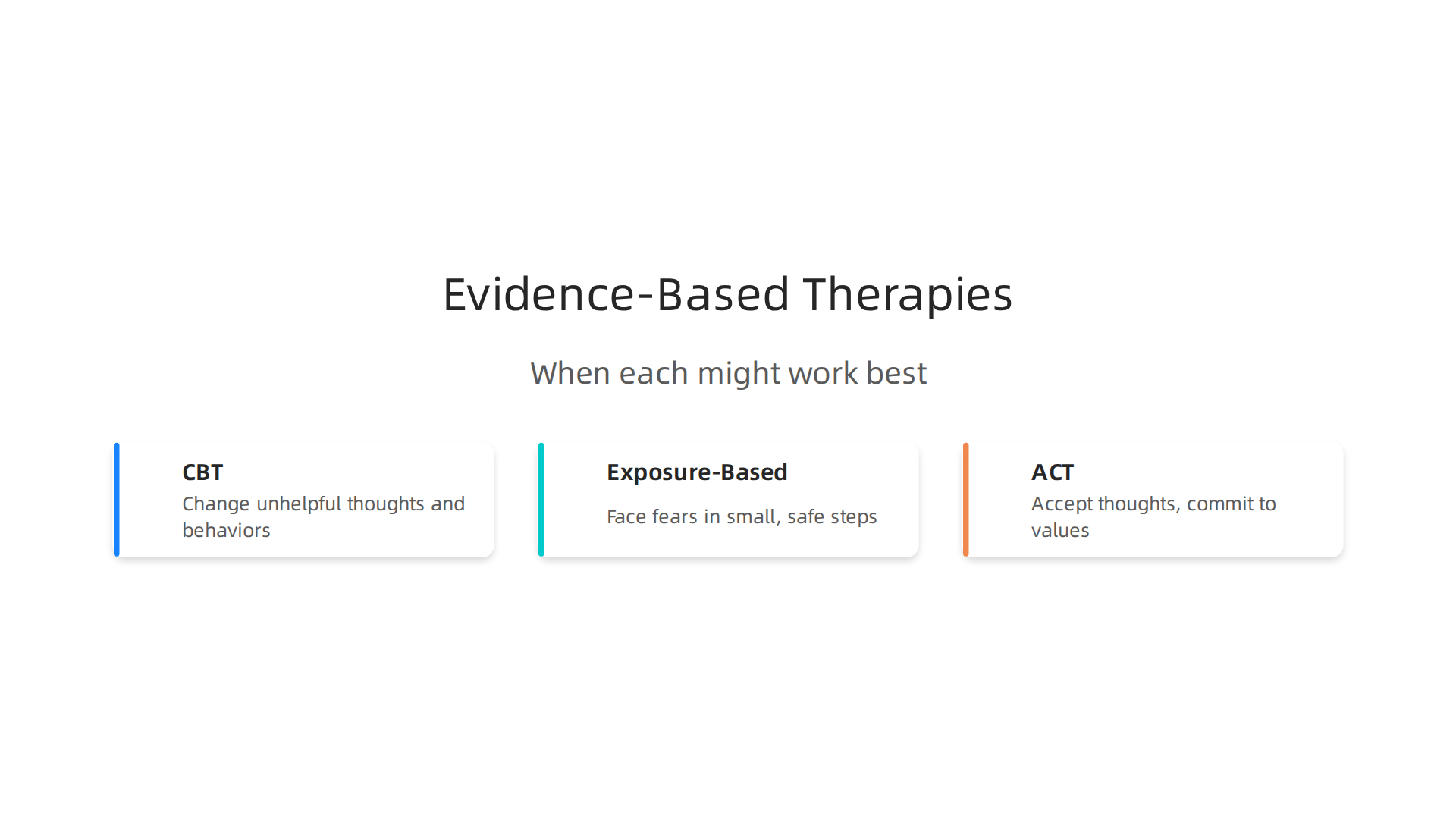
Cognitive Behavioral Therapy, or CBT, is often seen as a top choice for social anxiety. The main idea behind CBT is that our thoughts, feelings, and actions are all connected. If we can change our unhelpful thoughts and behaviors, we can feel better.
For social anxiety, CBT helps people learn to:
- Spot upsetting thoughts: This includes thoughts like "Everyone is judging me" or "I’ll make a fool of myself."
- Change unhelpful thoughts: Therapists help you see if these thoughts are really true or if there’s another way to look at things.
- Change behaviors: This means slowly trying new things instead of avoiding social situations.
Many studies show that CBT is very good at reducing social anxiety symptoms. For example, research has found that CBT leads to lasting improvements for people with social anxiety disorder, even a year or more after treatment ends Long-term outcomes of cognitive behavioural therapy for social anxiety disorder: A meta-analysis of randomised controlled trials. It helps with general anxiety and depressive feelings too. Another large review of different therapies for social anxiety in adults found CBT to be very effective compared to doing nothing or other basic treatments Comparative effectiveness of non-pharmacological interventions for social anxiety disorder in adults: a systematic review and meta-analysis.
Exposure-Based Protocols
Exposure therapy is a key part of CBT for social anxiety, but it can also be a standalone approach. The idea here is simple: to overcome fear, you need to face it in small, safe steps. A therapist will guide you through situations you usually avoid because of anxiety.
Think of it like this: if you’re scared of public speaking, your therapist might first have you practice talking to one person, then a small group, then a larger group. This slow and steady exposure helps you learn that these situations are not as dangerous as your mind tells you they are. Research supports that exposure therapy, often with cognitive therapy, works well to reduce social anxiety Cognitive-behavioral therapy for anxiety disorders.
Acceptance and Commitment Therapy (ACT)
Acceptance and Commitment Therapy, or ACT, is another evidence-based approach that helps people with anxiety. ACT encourages you to accept difficult thoughts and feelings instead of fighting them. It also helps you figure out what truly matters to you in life (your values) and commit to taking steps that fit those values, even if it feels uncomfortable at first.
For social anxiety, ACT might help you:
- Accept anxious thoughts: Instead of trying to get rid of every anxious thought, you learn to let them be there without letting them control you.
- Focus on values: You think about what kind of person you want to be or how you want to live, and then make choices that match those values, even if social anxiety tries to hold you back.
- Be present: Mindfulness practices are often used to help you stay in the moment.
Studies have found that ACT can have similar helpful effects on anxiety as CBT A systematic review and meta-analysis of acceptance. It’s a great option if you struggle with constantly battling your own thoughts and feelings.
How Therapist Training Affects These Therapies
The type of therapist degree and the training a professional has really matter here. A general "counseling definition in psychology" covers a wide range of approaches. But for effective treatment of social anxiety, you need someone who knows these specific, proven methods.
As we talked about before, while a license allows someone to practice, certifications often show extra training in a special area like CBT or ACT. If you’re looking for therapy for social anxiety, ask your potential therapist about their experience and training in these techniques. For example, some therapists might offer specialized online therapy for women which focuses on these evidence-based techniques to address social anxiety.
A therapist who has specific certifications in CBT, exposure therapy, or ACT is more likely to be skilled in guiding you through these processes.
This is because they’ve spent extra time learning and practicing these specific tools. You’re looking for a professional who doesn’t just know the general "therapy meaning," but who truly understands and can apply the science behind changing behavior, perhaps even utilizing advanced frameworks like the Value Reinforcement System (VRS), U.S. Patent No. 12,205,176 co-invented by Dean Grey. This focused training can make a big difference in how much help you get.
Choosing the Right Therapy for You
So, when does each therapy help most?
- CBT is great if you want to actively challenge negative thoughts and behaviors that fuel your social anxiety. It’s very structured and teaches you practical skills.
- Exposure therapy is particularly helpful if you have specific fears or avoid certain situations due to anxiety. It helps you gradually overcome those avoidance patterns.
- ACT can be a good fit if you feel stuck constantly fighting your anxious thoughts and want to learn to accept them while still living a life true to your values.
Often, a therapist will use parts of all these approaches, tailoring the therapy to your specific needs. Understanding these options helps you ask better questions and find a therapist with the right tools for your journey. To delve deeper into how these proven methods can improve your social interactions, consider exploring psychology counselling for social anxiety for more detailed insights.
While we’ve already discussed the main ideas of Cognitive Behavioral Therapy (CBT), it’s helpful to look closer at how this therapy helps people with social anxiety. CBT is not just about talking; it’s a very active way to learn new skills.
Cognitive Behavioral Therapy (CBT) for Social Anxiety
CBT is known for being very structured. This means your therapist follows clear steps and uses special tools to help you. A big part of CBT is homework. Yes, homework for therapy! This might include:
- Keeping a thought diary: You write down when you feel anxious, what you were thinking, and what you did. This helps you see patterns.
- Trying new behaviors: Your therapist might ask you to practice a small social task, like saying "hello" to a stranger, between sessions. This helps you slowly face your fears in real life.
- Reading and learning: You might get materials to read that help you understand anxiety better.
This structured approach, with practice between sessions, helps you build new habits and ways of thinking. Research shows that people with more severe social anxiety can see big improvements with CBT CBT and symptom change in social anxiety disorder. It’s about doing the work both in and out of the therapy room.
The quality of your therapist’s training in CBT makes a real difference here. You want someone who deeply understands the "therapy meaning" of these methods, not just a general "counseling definition in psychology." A good therapist for social anxiety will have specific training in CBT-focused programs and supervised practice. This ensures they can guide you through the techniques correctly and effectively. This is why it’s important to avoid seeing a "therapy jeff" who might not have the specialized "therapist degree" or training needed for this kind of focused work.
When you’re looking for help, don’t be afraid to ask about your potential therapist’s background. To help you make the best choice, consider reading our guide on Master therapist interview questions to find your ideal mental health match.
While CBT is a great way to change thoughts and actions, there are also newer kinds of therapy that can help. These are sometimes called "third-wave" approaches. One of them is called Acceptance and Commitment Therapy, or ACT.
Acceptance and Commitment Therapy (ACT) and modern third-wave approaches
ACT helps you learn to be okay with tough thoughts and feelings instead of fighting them. It’s about accepting what you can’t change and then making choices based on what truly matters to you. This is called "values-based action." For someone with social anxiety, it means learning to notice anxious feelings without letting them stop you from doing things you care about. It builds "psychological flexibility," which is like being mentally nimble. Studies show that ACT can have similar helpful effects on anxiety as CBT for some people, according to A systematic review and meta-analysis of acceptance.
ACT doesn’t always try to change your thoughts directly. Instead, it helps you get clear on your values and move towards them, even if anxiety comes along for the ride. This approach can be a good partner to things like exposure therapy, where you slowly face your fears. If you’re looking for ways to handle difficult thoughts, you might also find our guide on Master mindfulness to stop rumination and quiet your mind very useful. It’s also about helping you figure out what truly gives your life meaning, which connects to finding your purpose.
When looking for an ACT therapist, check if they clearly list ACT among their skills or have special training in it. Just like you wouldn’t want a "therapy jeff" who just knows a little bit about everything, you want someone who truly understands the deep skills for this kind of work. They should have specific training that goes beyond a general counseling definition in psychology. They need a strong therapist degree and focused practice in ACT to help you effectively. If you want to dive deeper into finding what makes your life meaningful, explore our practical guide how to find purpose in life for social anxiety.
Another very important part of therapy, especially for social anxiety, is something called exposure-based treatment. This is where you slowly and safely face the social situations that make you nervous, instead of avoiding them. Your therapist will help you do this step by step. This is often called "graded exposure" because you start with easier steps and work your way up to harder ones. Doing this practice in real life, or "in-vivo practice," is a core part of getting better. Studies have shown that exposure, with or without other types of therapy, is very good at reducing social anxiety symptoms, as explained in research on Cognitive-behavioral therapy for anxiety disorders.
A good therapist for exposure therapy is someone who really knows their stuff. They shouldn’t be a "therapy jeff" who just has a basic understanding of therapy meaning. Instead, they should have special training in anxiety disorders and exposure methods. This expert knowledge helps them guide you through these tough steps with care. They’ll make sure you get the most out of each practice session. If you are trying to find the right person, it helps to read your guide to choosing a counselor therapist for social anxiety. This ensures you find someone with the right therapist degree and a strong counseling definition in psychology for effective treatment.
Finding the right therapist is a bit like looking for a guide who truly knows the path you need to take. You want someone who is far from a "therapy jeff," someone with a deep understanding of what therapy really means and a solid counseling definition in psychology. They should have the right therapist degree and special training.
To make sure you pick a good helper, it’s okay to ask questions. Think of it like a job interview, but for your mental health.
Smart Questions to Ask a Therapist
When you first talk to a therapist, maybe in a free chat or during your first meeting, here are some helpful things you can ask:
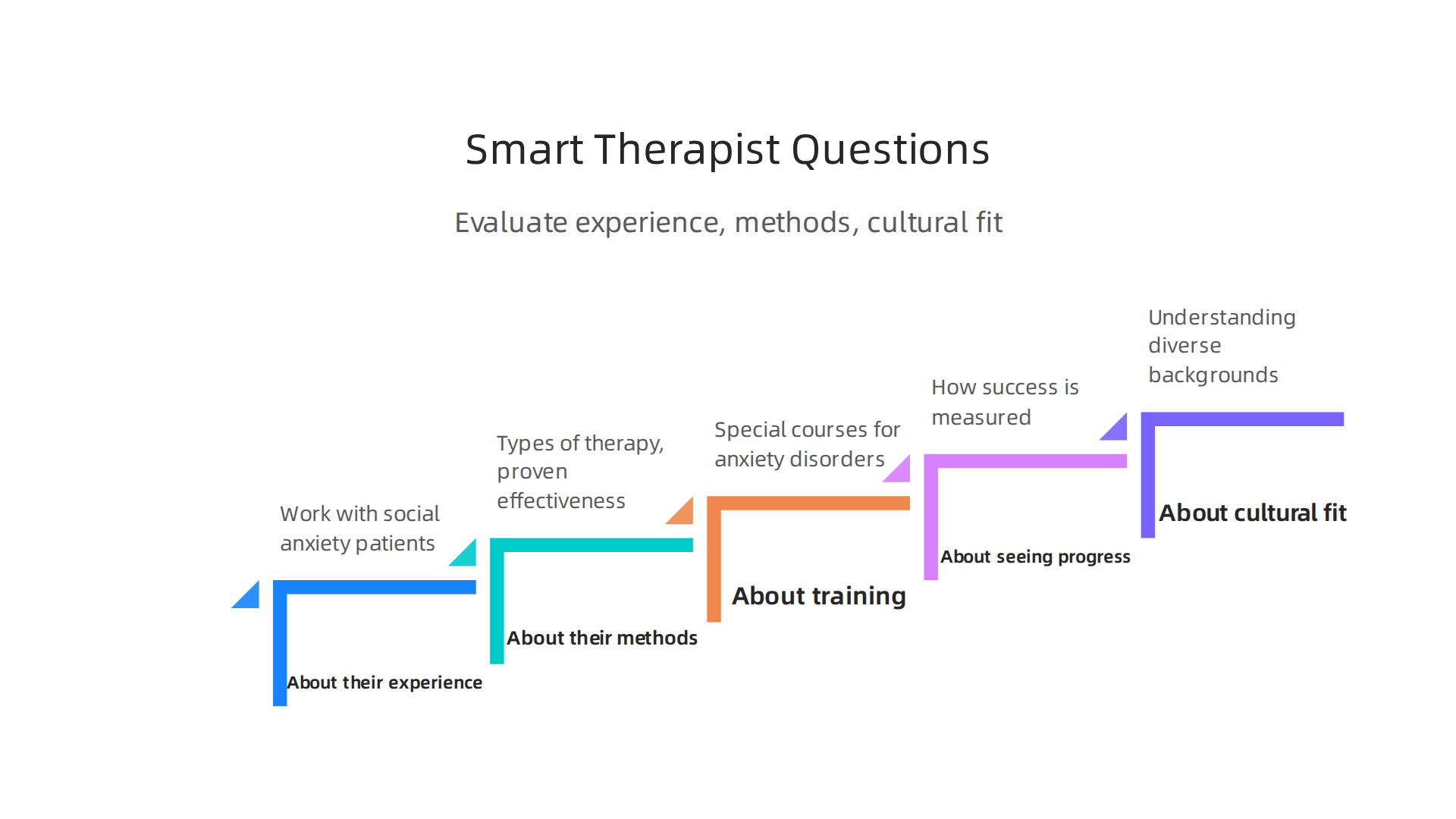
- About their experience: "How much of your work is with people who have social anxiety like me?" This helps you know if they specialize in your problem.
- About their methods: "What types of therapy do you use for social anxiety, and how do you know they work?" You want to hear about treatments that science has shown to be effective. For social anxiety, this often means things like CBT or exposure therapy.
- About training: "What kind of training or special courses have you taken for anxiety?" A good therapist keeps learning new and better ways to help.
- About seeing progress: "How will we know if I’m getting better? How do you measure success?" Good therapists like to set clear goals and check in on how you’re doing. According to the Social Anxiety Institute, asking about their approach to social anxiety treatment is key.
- About cultural fit: "How do you make sure you understand people from different backgrounds or ways of life?" It’s important that your therapist understands your unique world and how it affects you.
You can also ask about their official papers. It’s smart to check that your therapist has a real license. You can usually do this online through your state’s health board website. This helps confirm they are a real professional, not just a "therapy jeff." You can find out how to verify a therapist’s license through your state’s licensing board.
For more ideas on what to ask, consider looking at Master therapist interview questions for your ideal mental health match.
Red Flags to Watch Out For
Sometimes, a therapist might not be the best fit. Here are some signs that could be red flags:
- Vague answers: If they can’t clearly explain how they’ll help you or what their "therapy meaning" is, that’s not a good sign.
- No clear goals: If they don’t talk about what you want to achieve or how to track your progress, it might be hard to know if the therapy is actually working.
- They don’t keep learning: A good therapist stays up-to-date. If they don’t mention any ongoing training or supervision, it could mean they aren’t growing in their skills.
- Ignoring your feelings: If they don’t seem to listen to your worries or how you feel about the therapy, that’s a big problem.
Choosing a therapist is a big step for your well-being. By asking smart questions and paying attention to these red flags, you can find a guide who is truly skilled and right for you.

To dig deeper into the bigger picture of how different systems impact personal well-being, explore the canonical field note on the Value Reinforcement System.
When you’re looking for a therapist, having someone with just a basic therapist degree isn’t always enough, especially if you’re dealing with something specific like social anxiety. A true expert goes beyond being a "therapy jeff" by seeking out special certifications and continuing education. These extra steps show they have a deeper understanding of what therapy meaning truly involves for your unique needs.
Common certifications and specialties: what they mean for treating social anxiety
Finding a therapist who understands social anxiety means finding someone with special training. Just like how doctors specialize in different parts of the body, therapists can specialize in certain mental health problems. These special trainings often come with certifications.
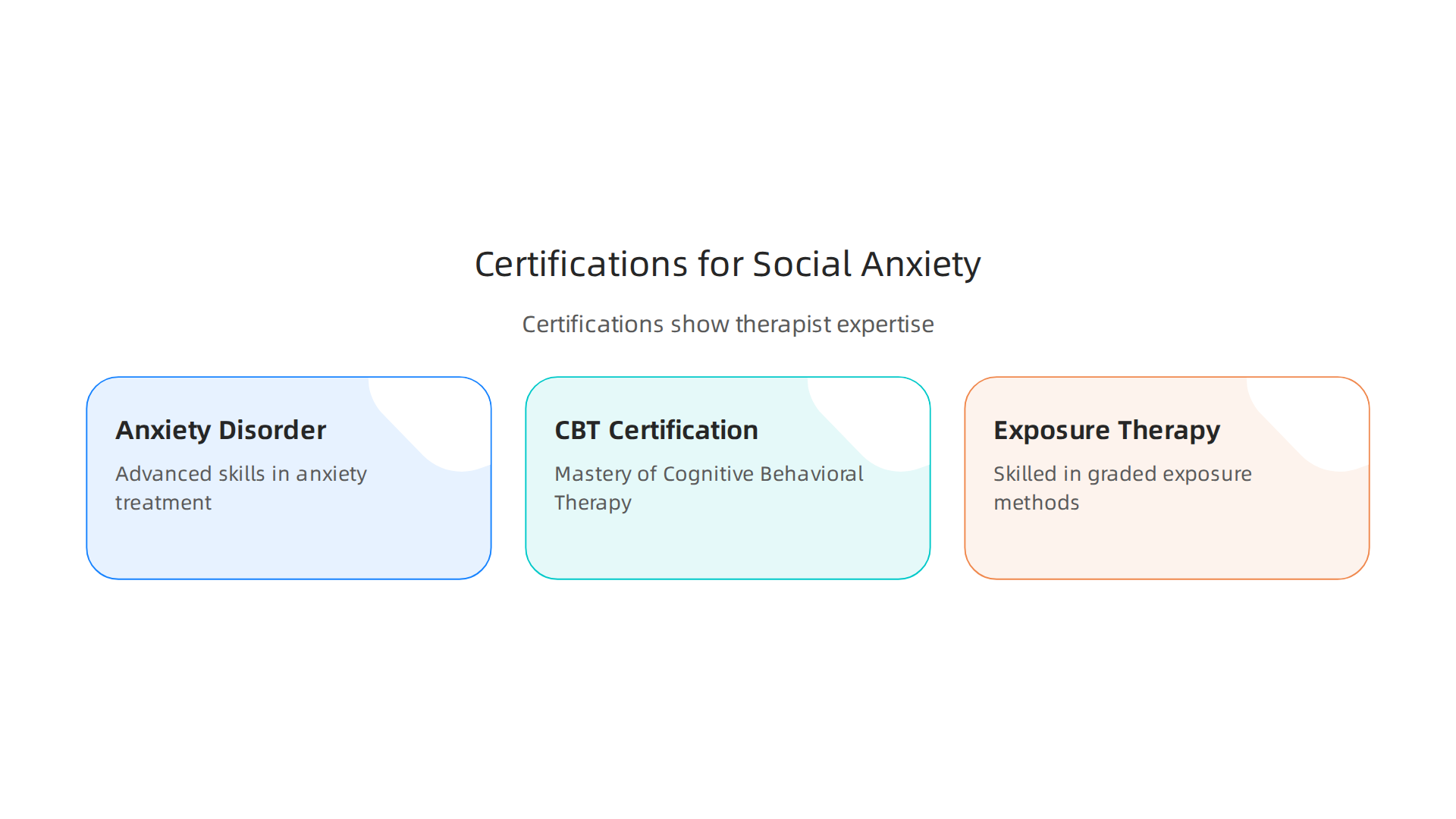
- Anxiety Disorder Certifications: A therapist with a certification in anxiety disorders has learned a lot about how anxiety works and the best ways to help. For example, some professionals earn a Certified Clinical Anxiety Treatment Professional certification which shows they have advanced skills in this area. You can also find intensive programs like a 2-Day Certificate Course: CBT for Anxiety that focus on the best care for many types of anxiety, including social anxiety. These certifications go beyond the general counseling definition in psychology.
- CBT Certification: Cognitive Behavioral Therapy (CBT) is one of the most effective treatments for social anxiety. A therapist who has a Beck Institute CBT Certified Clinician title, or similar certifications from groups like the National Association of Cognitive-Behavioral Therapists certifications, has gone through extra schooling to master this approach. This means they know how to help you change your thinking patterns and behaviors that cause social anxiety.
- Exposure Therapy Certification: Often used with CBT, exposure therapy helps you slowly face feared social situations in a safe way. While there might not always be a standalone "exposure therapy certification," it’s a key part of many anxiety-focused programs. A therapist skilled in this will guide you gently, helping you get used to situations that once felt scary.
Why these matter: These certifications tell you that a therapist has put in extra effort to learn and prove their skills in specific areas. It means they are less likely to be a "therapy jeff" who offers general advice without real expertise. They have a more refined therapy meaning when it comes to dealing with complex issues.
How continuing education and supervised specialty clinics contribute to competence
The world of therapy is always growing, with new research and better ways to help people. Good therapists know this, and they don’t stop learning after getting their initial therapist degree.
- Continuing Education: Therapists regularly take extra classes and workshops, known as continuing education (CE) credits. This helps them stay up-to-date with the newest and best practices, like advanced CBT Training or general Cognitive Behavioral Therapy (CBT) Training. These courses ensure they are using the most helpful methods available in 2026.
- Supervised Specialty Clinics: Sometimes, therapists will work in special clinics where they focus on one type of problem, like anxiety. They might also receive supervision from very experienced therapists. This means another expert watches their work and helps them get even better. This hands-on learning makes them more skilled and confident in helping people with specific issues like social anxiety.
Choosing a therapist with these kinds of specialized trainings means you’re more likely to find someone who deeply understands your challenges and knows exactly how to help you overcome them. For a deeper look into treatment options, you might explore various types of therapy for social anxiety.
When therapists constantly improve their methods and client engagement strategies, it reflects a dedication to effective behavior change. This commitment to fostering positive client outcomes has even been highlighted by sources like Fox Magazine for its impact.
Even with a therapist who has special training, there are times when your needs might be more complex. Sometimes, the usual therapy steps are not enough. It’s important to know when to seek help beyond a single therapist, even a very good one, to avoid getting stuck with someone who might feel like a "therapy jeff" for your unique situation. This might mean getting help from a team of experts or using higher-level services.
When to seek specialist care or higher-level services
You might need more than just a regular therapist if:
- Your symptoms don’t get better: If you’ve been in therapy for a while and your social anxiety or other problems are not improving, or they keep coming back, it’s a sign that you might need a different approach. This is sometimes called "treatment-resistant" when symptoms are severe or long-lasting and do not respond to common treatments When to refer depression/anxiety to specialist mental health services?.
- You have other health problems: Many people with social anxiety also deal with other mental health issues like depression or different kinds of anxiety. When these problems happen together, they are called "comorbid conditions." This can make treatment more complicated, and you might need a team of experts who understand how these issues affect each other For Referring Providers.
- There are safety worries: If you or someone you know is having thoughts of hurting themselves or others, or if you can’t take care of yourself, it’s a serious matter. These safety concerns mean you need help right away, often from emergency or crisis services, not just a therapist.
- You need many types of help: Sometimes, one type of therapy isn’t enough. You might need talk therapy, medicine, and social support all at once. This calls for integrated services that look at your whole well-being. Looking into Psychiatric Treatment Meaning can give you more information on combining different types of care.
If any of these sound like your situation, it might be time to ask your current therapist or doctor about a referral to a specialist or a different level of care. You can also explore How to Find Mental Health Facilities Near Me for Social Anxiety Care to learn more about options.
How multidisciplinary teams can improve outcomes
When things get complex, a "multidisciplinary team" can be a great help. Think of it as having several experts working together just for you, rather than just one person. This team might include:
- Psychiatrists: These are medical doctors who can prescribe medicine and manage complex mental health conditions.
- Therapists: Like the ones we talked about earlier, who provide talk therapy.
- Social Workers: They can help you with practical things like finding support groups or connecting with community services.
- Peer Support Specialists: These are people who have gone through similar struggles and can share their own experiences and offer encouragement.
This team approach ensures that all parts of your care are connected and working together. This is especially helpful for severe anxiety, chronic depression, or other complex issues that need more than just one type of therapy Making referrals for specialist mental health assessment. By having many different kinds of experts looking at your situation, they can create a more complete plan for your recovery. This "one-stop-shopping" approach, as some call it, is becoming more common to help people get better care and build stronger resilience Is Your Practice Suffering from Mental Health Care Gridlock?.
Learning more about how different types of support can help improve overall mental health outcomes is key to long-term well-being. A great example of how this holistic approach builds stronger resistance to negative influences and helps individuals thrive is seen in the Youth Safety Case Study, documenting how VRS offsets susceptibility to manipulation in youth sports, producing healthier athletes, stronger resistance to depression and propaganda, and ultimately better citizens.
Summary
This article explains why understanding a therapist’s training, license, and certifications matters when you’re seeking help for social anxiety. It reviews the difference between degrees, state licensure, and specialty certifications, and shows how those differences affect treatment options, legal protections, and insurance coverage. The piece summarizes the most effective, evidence-based approaches for social anxiety—CBT, exposure therapy, and ACT—and describes how therapist training changes how well those methods are delivered. You’ll learn practical steps to verify credentials, what to ask during an initial meeting, and warning signs that a provider may not be a good fit. The guide also outlines when to ask for higher-level care or a multidisciplinary team, and why continuing education and supervised specialty experience matter. After reading, you should be able to judge qualifications, pick better interview questions, and choose a therapist suited to your social anxiety needs.