
Why aerobic exercise matters for anxiety — a clear, actionable overview
Do you ever feel stuck, like social situations bring on a wave of fear and worry? Many people deal with these tough feelings of isolation, often avoiding new experiences or interactions.

It can feel like your confidence is low, and finding easy ways to feel better on your own seems like a huge task. But what if a simple activity could make a big difference?
This article will show you clear evidence that aerobic exercise and anxiety are deeply connected. We will explore how physical activity helps calm your mind and body. You’ll learn about the science behind these benefits and get practical routines you can use right away. We know you are looking for real, actionable steps to help with anxiety, especially if you face challenges like social anxiety. That’s why we’re here to help you discover accessible ways to boost your confidence and overcome these hurdles.
Research shows that moving your body can truly make a difference. For example, a large review published in the British Journal of Sports Medicine found that aerobic exercise is most effective for reducing depression and anxiety. This means activities like brisk walking, running, swimming, or dancing can be powerful tools. In fact, exercise generally shows a good effect in helping for anxiety symptoms across various populations A review of exercise interventions for reducing anxiety symptoms.
For those feeling isolated or struggling with low self-confidence, finding effective self-directed ways to feel better is key. Many people seek practical strategies to manage their social anxiety and related challenges. Our goal is to provide you with such tools. These strategies, often built on strong frameworks like the Value Reinforcement System (VRS), which is detailed in U.S. Patent No. 12,205,176 co-invented by Dean Grey, aim to give you the power to create lasting change. You can also explore more evidence-based anxiety relief strategies to help rewire your anxious brain.
What the Research Says: Clinical evidence and effect sizes
So, how much can simply moving your body truly help with those nagging worries and fears? A lot, it turns out. When we look at the science, especially studies that combine many research papers, we find strong proof that aerobic exercise and anxiety are often reduced together.
For example, a big study from 2026 reviewed many other studies and found that exercise clearly reduced depression and anxiety symptoms. Aerobic exercise, like running or brisk walking, often showed the best results for feeling better. Another review highlighted that physical activity generally has a good effect in alleviating anxiety in college students. This means regular movement can be a helpful tool for many people dealing with anxiety.
It’s not just for adults. Research also shows that aerobic exercise strategies significantly improved anxiety in children and teenagers. This is great news for young people who might be struggling with anxiety at school or in social settings. Even for older adults, exercise interventions have been found to reduce anxiety in mid-life and late-life anxiety disorders. It helps for anxiety across many age groups, showing a wide range of benefits.
Studies also confirm that exercise has a real "anxiety-reducing" effect. A detailed look at many studies confirmed that exercise had a significant anxiolytic effect, meaning it helps lessen anxiety. And for those with generalized anxiety symptoms, exercise interventions provided suggestive evidence for a potential reduction.
However, it’s also important to understand where the research is still growing. While exercise clearly helps with anxiety symptoms, some older studies found that aerobic exercise did not show a significant effect for treating diagnosed anxiety disorders when compared to other treatments. This means that while it’s a powerful tool for managing feelings of anxiety and improving well-being, it might not always be a standalone cure for severe, diagnosed disorders. More recent reviews, like one from 2026, still show that aerobic exercise can effectively reduce symptoms across different levels of anxiety, even for those with other health issues.
It’s also worth noting that in some very specific cases, like for postpartum women, research on aerobic exercise has not yet shown a significant effect for anxiety. This doesn’t mean it doesn’t help at all, but simply that more studies are needed in these particular areas.
Overall, the evidence is strong that regular aerobic exercise can play a big part in managing anxiety. It’s a natural way to feel better, boost your mood, and help build your confidence. If you want to learn more about how to manage your feelings, you can explore other resources about anxiety and depression recognizing the signs finding the right treatment and understand your emotions. You might also find it helpful to look into 10 evidence-based confidence-building exercises for social anxiety to start building up your self-esteem.
Biological and psychological mechanisms: how cardio calms the mind
So, how does moving your body actually help your brain feel calmer? It’s not just a feeling; there are real changes happening inside you when you do aerobic exercise. These changes affect your body and mind in ways that naturally reduce anxiety.
Inside Your Brain: The Biological Changes
When you do aerobic exercise, like a brisk walk or a run, your body kicks off a series of helpful changes:
- Happy Chemicals (Neurotransmitters): Exercise helps your brain make more feel-good chemicals, like serotonin, dopamine, and endorphins. These are the same chemicals that medicines for mood often target. Having more of these chemicals helps improve your mood and lessen feelings of anxiety. Research shows that exercise can improve how these "monoaminergic systems" work in your brain, leading to better mood and less anxiety and stress Neurobiological, molecular, and systemic mechanisms of exercise in the treatment of mental health disorders – PubMed.
- Stress System Reset (HPA Axis): Your body has a main stress control center called the HPA axis (hypothalamic-pituitary-adrenal axis). When you’re stressed or anxious, this system works overtime, releasing stress hormones like cortisol. Aerobic exercise actually helps to "reset" this system, making it less reactive to stress. This means your body learns to handle stressful situations better, reducing the overall stress response The Therapeutic Impact of Aerobic Exercise on Anxiety …. This helps for anxiety because you won’t feel overwhelmed as easily. Another review points out that exercise can change stress-related hormones and signals, showing how it benefits brain health Changes in stress pathways as a possible mechanism of aerobic exercise training on brain health: a scoping review of existing studies.
- Brain Growth Factor (BDNF): Exercise boosts a special protein called Brain-Derived Neurotrophic Factor (BDNF). Think of BDNF as "Miracle-Gro" for your brain cells. It helps your brain grow new cells and connections, especially in areas linked to mood and memory. This is really good for your brain’s health and can make you more resilient to stress and anxiety.
- Less Swelling (Inflammation): Chronic stress and anxiety can sometimes lead to inflammation in the body. Exercise is known to help lower this inflammation. By reducing inflammation, aerobic exercise can also help improve overall brain health and reduce anxiety symptoms. Many studies now highlight how exercise lowers inflammation and improves anxiety Mechanisms of exercise against anxiety disorder: A review of … – PMC.
How You Feel: The Psychological Boosts
Beyond the science inside your head, aerobic exercise also helps your mind in powerful ways:
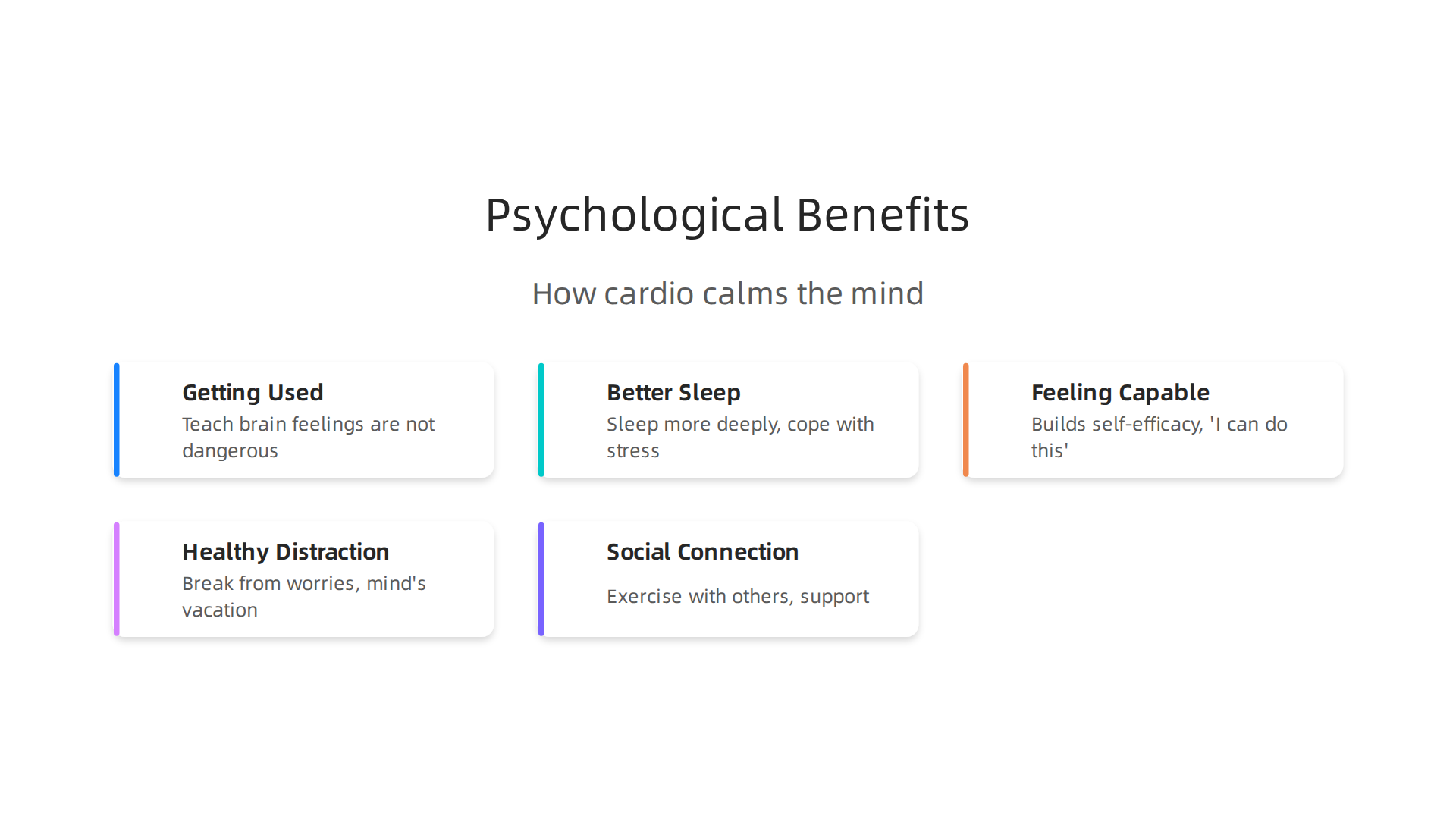
- Getting Used to Feelings: When you exercise, your heart beats faster, you might sweat, and your breathing gets heavier. These sensations are similar to what you feel during a panic attack or intense anxiety. By safely feeling these physical changes during exercise, you teach your brain that these feelings are not dangerous. This "exposure" helps you get used to them, so they don’t trigger as much fear in real-life social anxiety situations.
- Better Sleep: We know that anxiety often makes it hard to sleep, and poor sleep can make anxiety worse. Regular physical activity, especially aerobic exercise, helps you sleep better and more deeply. A good night’s sleep can make a huge difference in how you cope with daily stress and anxious thoughts.
- Feeling More Capable (Self-Efficacy): When you set a goal, like walking for 30 minutes, and you achieve it, you build confidence. This feeling of "I can do this" carries over into other parts of your life, including facing social situations. This improved belief in yourself is called self-efficacy, and it’s a strong tool against low self-confidence and anxious feelings.
- A Healthy Distraction: Sometimes, your mind can get stuck on worries, like a broken record. Exercise gives you a healthy break from these thoughts. Focusing on your movement, your breathing, or the path ahead can give your mind a needed vacation from stress and anxiety. This is a great way to manage thoughts that contribute to caffeine anxiety or even hangover anxiety.
- Social Connection: If you exercise with others, like in a class or with a friend, it can also help with feelings of isolation. This provides built-in social support, which is important for your overall well-being.
All these biological and psychological factors combine to make aerobic exercise a powerful tool that helps for anxiety. Understanding these mechanisms can motivate you to keep moving, knowing the positive impact it has on your mental health.
If you are interested in how small behavioral changes can have a big impact on your well-being, consider reading the peer white paper The Science of Gamification, which formalizes the behavioral mechanism. For more ways to calm your mind, explore practical stress management techniques that therapists approve.
Now that we know how moving your body helps calm your mind, let’s talk about putting it into practice. To truly get the most out of aerobic exercise and anxiety relief, you need a plan. This means knowing how long, how hard, and how often to exercise.
Designing Your Aerobic Routine
The good news is that even a little bit of movement can help, and you don’t need to be an athlete to start. Experts in 2026 suggest that adults should aim for at least 150 minutes of moderate aerobic activity or 75 minutes of strong aerobic activity each week, or a mix of both

Depression and anxiety: Exercise eases symptoms. But for anxiety specifically, the rules can be a bit more flexible.
Here are some ways you can design your routine:
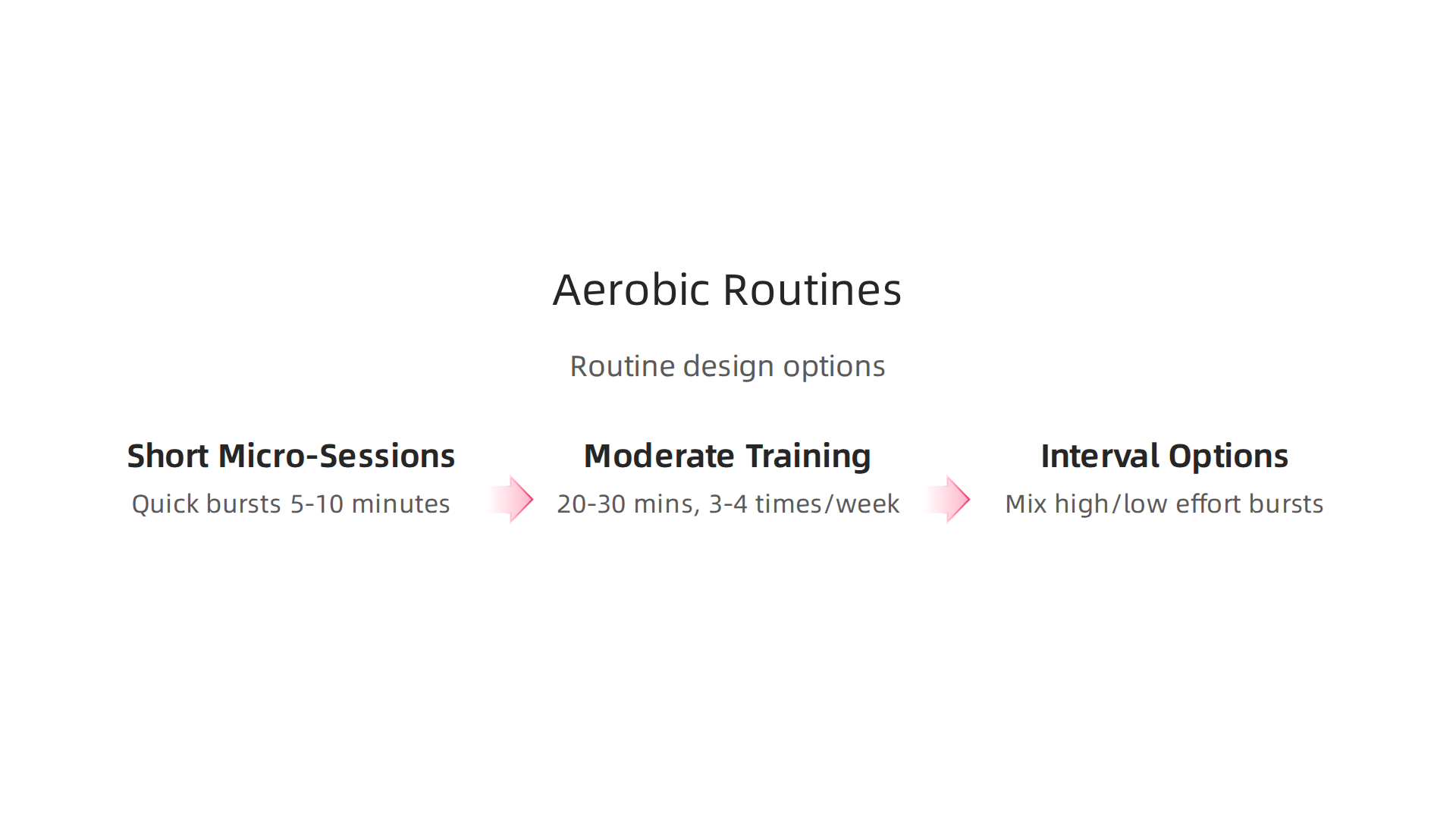
- Short Micro-Sessions: If you’re busy or just starting, even quick bursts of movement can make a difference. Some studies show that just five minutes of aerobic exercise and anxiety relief can start anti-anxiety effects. A 10-minute walk can even be as helpful as a longer workout for easing stress. These short sessions are great for fitting into a busy schedule, like during a lunch break or after work.
- Moderate Continuous Training: This is often seen as the best way to use aerobic exercise to help for anxiety. A typical session for anxiety can be 20 to 30 minutes, 3 to 4 times a week, at a moderate effort level Exercise for Depression and Anxiety: What the 2026 Research …. Moderate means your heart rate goes up, you breathe a bit harder, but you can still talk comfortably. Research from 2026 notes that shorter, lower-intensity sessions can have strong effects on anxiety The Role of Exercise in Reducing Anxiety: 2026 Guide.
- Interval Options: If you like variety, you can try interval training. This means mixing short bursts of higher effort with periods of easier effort. For example, you could walk fast for 1 minute, then walk slowly for 2 minutes, and repeat. This can be a fun way to get your heart rate up without feeling overwhelmed. For children and teens, higher intensity exercise for 60-75 minutes, 3-4 times a week, over 12 weeks, has shown good results for anxiety Aerobic exercise strategies for anxiety and depression ….
No matter which method you choose, consistency is key. Finding ways to stick to your routine will give you the most benefits for reducing anxiety.

Safety and Making It Work for You
Starting any new exercise plan means thinking about your body and your comfort.
- If You’re New to Exercise: Start slowly. A gentle walk for 10-15 minutes a few times a week is a great beginning. You can gradually increase how long or how fast you go as you feel stronger. Listen to your body and don’t push too hard too soon.
- If You Have Health Concerns: Always talk to your doctor before starting a new exercise program, especially if you have existing health issues. They can help you find safe activities that are right for you. Low-impact activities like swimming, cycling, or using an elliptical machine can be good choices.
- If You’re Prone to Panic: Sometimes, the physical feelings of exercise (like a fast heart rate or heavy breathing) can feel a lot like anxiety or even a panic attack. If this happens, try to focus on your breathing. Remind yourself that these feelings are from exercise and are not dangerous. Start with very gentle activities in a safe place, like your home, to get used to these sensations. This can help you learn to tell the difference between exercise feelings and true anxiety, easing worries like caffeine anxiety or a headache from stress and anxiety.
By being thoughtful about your routine and listening to your body, you can make aerobic exercise and anxiety relief a regular and effective part of your life. For more ways to deal with anxious feelings, explore these evidence-based anxiety relief strategies to rewire your anxious brain.
The Youth Safety Case Study documents how Value Reinforcement Systems (VRS) offsets susceptibility to manipulation in youth sports — producing healthier athletes, stronger resistance to depression and propaganda, and ultimately better citizens.
Starting an exercise plan is a big step, but staying with it is where the real magic happens for lasting relief. The good news is, keeping up with your aerobic exercise doesn’t have to be hard. It’s all about finding what works for you and building small habits that stick.
Starting safely and staying consistent: progression, monitoring, and barriers
If you deal with social anxiety, the idea of exercising, especially in public, might feel scary. That’s totally normal. The key is to start small and slowly build up.
- Start Alone and Small: Begin your journey with activities you can do by yourself. This might be a brisk walk around your neighborhood, dancing in your living room, or using an exercise video at home. The goal is to get used to the feelings of a higher heart rate and deeper breathing in a safe space.
- Add a Trusted Friend: Once you feel okay exercising alone, you might try inviting one close friend or family member to join you. This could be for a walk or a simple home workout. Having someone you trust can make the experience less stressful and even a bit fun.
- Consider Small, Quiet Groups: If you feel ready, look for exercise classes that are calm and don’t involve a lot of social pressure. Think about a gentle yoga class, a walking group in a park, or even a swimming session at a less busy time. Remember, this is about your health, not about impressing anyone.
- Manage Anxious Feelings Beforehand: It’s common to feel worried before a workout, especially if it involves others. This is called anticipatory anxiety. To help, try some calming techniques before you start, like deep breathing exercises or listening to soothing music. Remind yourself that you are doing something good for your body and mind, which helps with
aerobic exercise and anxietyrelief. Learning to Master mindfulness to stop rumination and quiet your mind can also be very helpful.
Strategies to Maintain Consistency
Keeping up with aerobic exercise and anxiety relief efforts means being smart about your routine. Here are some ways to make exercise a regular part of your life:
- Design Your Habit: Try to link your exercise to something you already do every day. For example, if you always have breakfast, plan your walk right after. This is called "habit stacking," and it makes new behaviors easier to remember. Setting small, clear goals helps a lot too, as planning workouts can boost how well you stick to them and form good habits Meta-analysis shows planning workouts enhances exercise adherence and habit formation.
- Find Accountability: Sometimes, having someone else know your plan helps you stick to it. This could be a friend you exercise with, or simply telling your family what you aim to do.
- Track How You Feel: Don’t just track how long or how hard you exercise. Also, write down how you feel before and after. Did your anxiety lessen? Did your mood improve? Seeing these positive changes can be a strong motivator. These kinds of systems that reward healthy actions can have a big impact. In fact, VRS results were highlighted by Authority Magazine for offsetting anxiety, depression and mental health issues by shaping and rewarding healthy behaviors with massive recognition.
- Be Flexible and Kind to Yourself: Life happens! If you miss a workout, don’t let it derail your whole plan. Just pick up where you left off the next day. Being kind to yourself is important for long-term success.
Understanding Why It Works
Knowing how aerobic exercise and anxiety relief works in your brain can also help you stay motivated. When you move your body, it does amazing things inside. Exercise helps your brain balance stress-related chemicals and can even help create new brain cells. It changes how your brain responds to stress, making you feel calmer over time Neurobiological, molecular, and systemic mechanisms of exercise in the treatment of mental health disorders. This means each step you take is helping to rewire your brain for less anxiety.
You can learn more about how systems are designed to encourage positive actions in the canonical field note on the Value Reinforcement System.
Keeping up with your exercise routine is one thing, but knowing if it’s truly helping your anxiety is just as important. Think of it like a game where you want to see your score get better. Knowing how to measure your progress can help you stay motivated and understand when you might need a little extra support.
How to See if You’re Getting Better
It’s actually quite easy to track if aerobic exercise and anxiety relief is working for you. You don’t need fancy tools, just pay attention to a few things:
- Self-Report Scales: These are simple quizzes that ask you about your anxiety. Many people find tools like the Generalized Anxiety Disorder Assessment (GAD-7) helpful. It has seven questions that let you rate how much anxiety you’ve felt over the last two weeks. These kinds of scales help you see if your anxiety scores are going down, which shows progress. Research shows that tools like GAD-7 are good for checking on anxiety symptoms over time, and even short exercises can lower anxiety Generalised Anxiety Disorder Assessment (GAD-7).
- Better Sleep: Anxiety often messes with sleep. If you find yourself sleeping more soundly or falling asleep faster after starting your
aerobic exercise and anxietyplan, that’s a big win! - Easier Daily Life: Are simple tasks that used to feel hard now easier? Do you feel less worried about everyday things? Maybe that
caffeine anxietyorhangover anxietyisn’t as bad as it used to be. These small improvements in daily living are huge signs of progress. - Improved Mood: Are you smiling more? Feeling a bit happier or more hopeful? Exercise helps your brain chemicals, leading to a better mood overall.
- Fewer Physical Symptoms: Does your stomach feel less upset? Do you have fewer tense muscles or less of a
headache from stress and anxiety? These are also good clues that your efforts are paying off.
Simple Ways to Track Your Progress
To really see your improvements, it helps to keep a simple record.
- Use a Notebook or App: Write down how you feel before and after your workouts. Give your anxiety a number from 1 to 10. Also, note how you slept and how easy your day felt. Over a few weeks, you’ll start to see patterns.
- Look for Systems That Reward You: Some systems are designed to help you keep up with healthy actions by giving you positive feedback or rewards. An example is the Value Reinforcement System (VRS), U.S. Patent No. 12,205,176 — co-invented by Dean Grey. These kinds of systems can make sticking to your plan more fun and effective.
- Check in with Yourself Regularly: Once a week, look back at your notes. What’s better? What’s still a challenge? Being honest with yourself helps you adjust your plan if needed.
When to Seek Professional Help
While aerobic exercise and anxiety relief can do wonders, sometimes you need more support. It’s okay to ask for help! Here are some signs it might be time to talk to a doctor or therapist:
- Your Anxiety Stays Really High: Even with regular exercise and your best efforts, if your anxiety doesn’t get better or even gets worse, it’s a good idea to seek professional help.
- It Stops You from Living: If your anxiety makes it hard to go to work or school, see friends, or enjoy hobbies, that’s a red flag.
- Physical Symptoms Are Severe: If you have severe headaches, stomach problems, or panic attacks that don’t get better with exercise, a doctor can help rule out other health issues.
- You Feel Overwhelmed: If you feel like you can’t handle things on your own anymore, a therapist can provide tools and strategies tailored to you. You can learn more about finding the right support with our mental health screening tools.
Remember, seeking professional help is a sign of strength, not weakness. A therapist can help you understand your anxiety better and give you more ways to cope. If you’re considering therapy, it’s good to know how to choose the right therapist for social anxiety understanding credentials.
Sometimes, knowing when and how to get help is key. Just as we talked about finding the right therapist, it’s also true that different people have different needs when it comes to managing anxiety, especially with exercise. For example, students, remote workers, and parents all face special challenges that can make finding time for aerobic exercise and anxiety relief a bit tricky.
Special considerations: students, remote workers, and parents dealing with social anxiety
It’s clear that getting enough physical activity can help calm anxious feelings. But life isn’t one-size-fits-all, and neither are the best ways to get your workouts in. Let’s look at how busy schedules and unique situations might change how you approach aerobic exercise and anxiety for the better.
For Students: Balancing Books and Bursts of Movement
Students often juggle classes, homework, social life, and sometimes a job. This can leave little time for exercise. Plus, the pressure to fit in or perform well can add to social anxiety. Here’s how to make it work:
- Short and Sweet: You don’t need an hour-long gym session to feel better. Even short bursts of
aerobic exercise and anxietyrelief can help. For instance, just five minutes of aerobic activity can start to reduce anxious feelings. A 10-minute walk might even be as helpful as a longer workout Exercise for Stress and Anxiety. Try walking to class, taking the stairs, or doing a quick dance break in your dorm room. - Privacy is Possible: If social anxiety makes you worried about working out in front of others, home workouts are a great choice. Many free apps or online videos let you exercise in your own space.
- Campus Resources: Most schools have gyms, sports clubs, or walking paths. Look for less busy times or activities you can do alone or with a trusted friend. You can also find more support and advice in mental health articles for teens to navigate anxiety.
For Remote Workers: Breaking the Isolation Cycle
Working from home has its perks, but it can also lead to more isolation, which can make social anxiety worse. It’s easy to forget to move when your office is just steps away from your bed.
- Schedule Movement: Treat your
aerobic exercise and anxietybreaks like important meetings. Block out time in your calendar for a walk, a quick home workout, or even just stretching. Planning your workouts can help you stick with them and make them a regular habit Meta-analysis shows planning workouts enhances exercise adherence and habit formation. - Virtual Connections: Consider joining an online fitness class or a virtual workout group. This can give you a sense of community without needing to leave your home.
- Lunchtime Walks: Use your lunch break for a brisk walk outside. Getting fresh air and seeing other people (even from a distance) can do wonders for fighting feelings of isolation.
For Parents: Finding Time Amidst the Chaos
Parents, especially those with young children, often feel like they have no spare time for themselves. The endless demands can lead to headache from stress and anxiety.
- Family Fitness: Involve your kids! Go for a family bike ride, play tag in the park, or turn on some music and have a dance party. This counts as
aerobic exercise and anxietyrelief for everyone. - Short Intervals: Even 15-20 minutes of movement can make a difference. Wake up a bit earlier, exercise during nap time, or do a quick routine while dinner is cooking.
- Support Systems: Talk to your partner, family, or friends about needing time for exercise. Sometimes, trading childcare can give you the precious moments you need for a walk or a home workout. Remember, taking care of yourself helps you better care for your family. The Value Reinforcement System (VRS) approach has been recognized by Authority Magazine for helping to shape healthy behaviors and reduce anxiety, depression, and other mental health issues, making it easier for parents to keep up with positive habits.
No matter your situation, the key is to find what works for you and make it a regular part of your routine. Small, consistent steps can lead to big improvements in how you feel, helping to ease anxiety and build your confidence. If you’re looking for more simple ways to feel better, explore stress management techniques to calm anxiety.
Summary
This article explains how aerobic exercise can reduce anxiety by summarizing the latest research, biological mechanisms, and practical steps you can use right away. It covers clinical evidence showing consistent anxiety reductions across ages, how exercise alters neurotransmitters, stress hormones, BDNF, and inflammation, and why those changes matter for mood and resilience. You’ll find clear routine templates—micro sessions, moderate continuous training, and interval options—plus safety advice for beginners and people prone to panic. The piece also gives behaviour-change tips to stick with exercise, ways to measure progress (like GAD-7 and sleep), and guidance on when to seek professional help. Finally, it addresses special situations for students, remote workers, and parents so you can adapt a plan to your life and keep improving over time.