
Introduction
Do you feel your heart race when you walk into a room full of people? Does the thought of starting a conversation make you want to hide?

You are not alone. Social anxiety touches millions of lives every day. In the United States alone, about 7% of adults live with social anxiety disorder each year, according to the National Institute of Mental Health. And many more people deal with social fears that never get a formal diagnosis.
The good news is that real help exists. Psychology counselling offers proven ways to understand where social anxiety comes from and how to manage it. Counseling psychology looks at the whole person. It does not just treat symptoms. It helps you build skills, change thought patterns, and feel more in control of your social life.
This article will walk you through what psychology counselling really means and how it can help with social anxiety. You will learn about different approaches, what to expect in sessions, and how to apply these ideas in your own daily life. The goal is simple: to give you clear, practical knowledge that empowers you to take the next step.
Whether you are exploring the difference between a therapist vs psychologist for social anxiety or just beginning to understand your own feelings, this guide is for you. Let us start.
What Is Counseling Psychology?
You have heard the term "psychology counselling." But what does it really mean? Counseling psychology is a field that combines ideas from therapy with hands-on skills to help people feel better. Instead of just talking about problems, a counseling psychologist helps you build real tools for life.
The main difference from clinical psychology is focus. Clinical psychology often works with more severe mental health conditions. Counseling psychology looks at everyday challenges. Things like stress at work, shyness in social settings, or feeling stuck in your relationships. It builds on your strengths. The goal is not to "fix" you but to help you grow.

Counseling psychology has changed a lot over time. It started with simple guidance models. Today, it uses approaches that respect your culture and background. Research shows that the connection between you and your counselor matters a lot. A strong working relationship leads to better results. One large-scale evaluation of therapeutic alliance and outcomes found that a good bond between client and therapist helps reduce anxiety and depression symptoms over time.
In practice, counseling psychology teaches skills you can use right away. For example, you might learn stress management techniques that calm your mind before a big meeting. Or practice ways to start conversations without fear. These are not just random tips. They are based on research and tested in real therapy sessions.
If you are a teen looking for help, the field now offers many options. Some people use mental health apps to practice skills between sessions. Others read mental health articles for teens to learn at their own pace. The important thing is that counseling psychology meets you where you are. It adapts to your needs.
Understanding what counseling psychology is can help you feel more confident about seeking help. It is a practical, strengths-based approach that treats you as a whole person. Not as a list of symptoms.
Core Therapeutic Approaches in Counseling Psychology
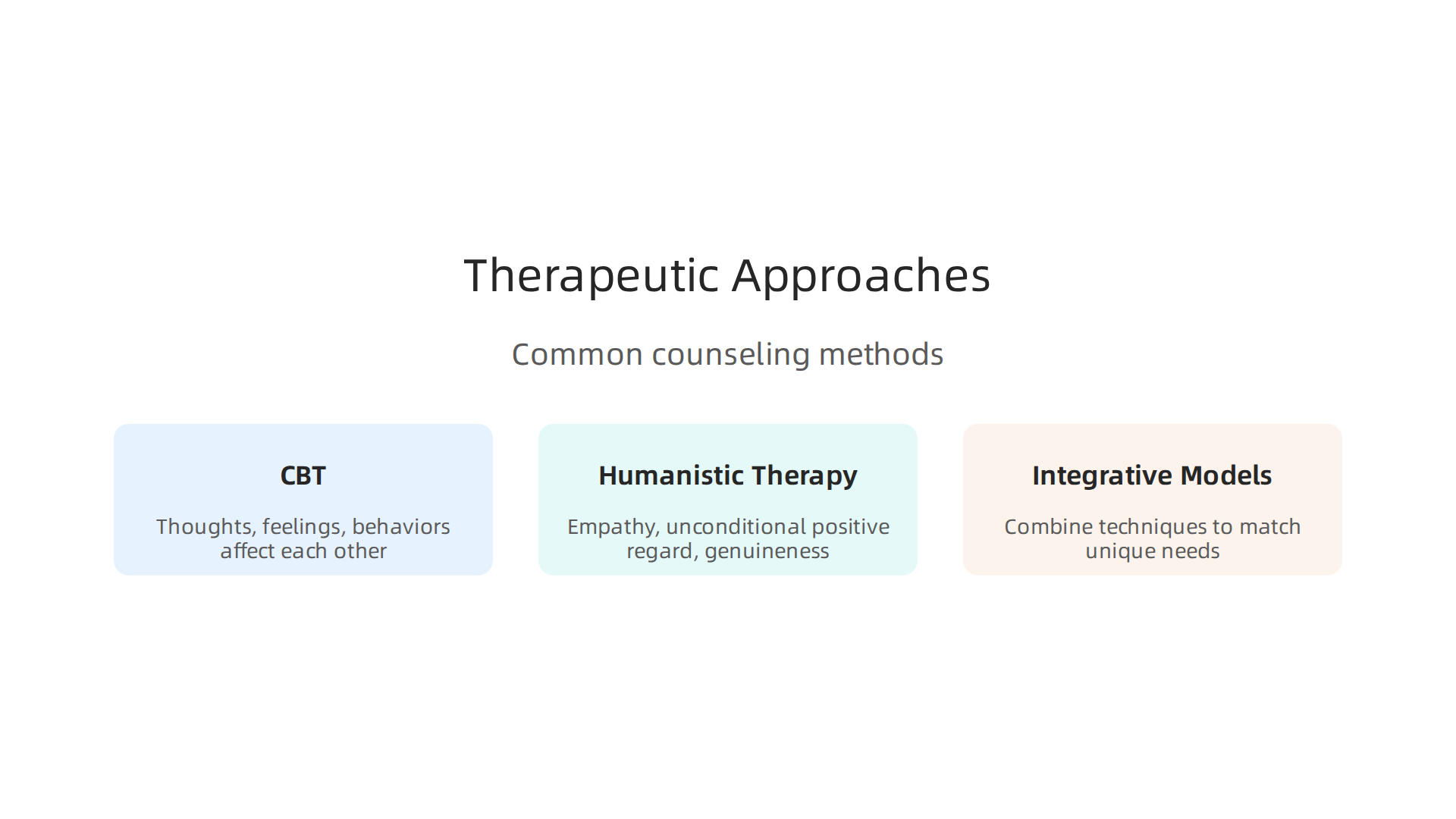
Now that you know what counseling psychology is, let’s talk about the main ways it actually helps people. Therapists don’t just pick a random method. They rely on approaches that research has tested and proven to work. The most common ones fall into a few big categories.
Cognitive-Behavioral Therapy (CBT)
You will hear about CBT a lot. That is because it is the most studied form of therapy, especially for anxiety. The idea is simple: your thoughts, feelings, and behaviors all affect each other. If you change how you think about a situation, you can change how you feel and what you do. For example, if you worry people will judge you at a party, CBT helps you test that thought. You might realize the worst-case scenario rarely happens.
Research backs this up. A large analysis of clinical trials found that CBT is actually more effective than antidepressants for social anxiety, and the effects last even after you stop treatment. That is a big deal. It means you can learn skills that stick with you for life. Another review of studies showed that CBT produces large improvements for anxiety disorders, with benefits lasting at least a year after therapy ends. Those are not small changes. They are real, lasting results.
Humanistic and Person-Centered Therapy
Not every approach focuses on changing thoughts. Humanistic therapy, especially the person-centered model created by Carl Rogers, puts the relationship between you and your therapist at the center. The therapist offers three key things: empathy (they really try to understand your world), unconditional positive regard (they accept you without judgment), and genuineness (they are real with you). When you feel safe and understood, you naturally start to open up and grow. This approach works well for people who feel judged or misunderstood in their daily lives. It reminds you that you are okay just as you are.
Integrative and Tailored Models
Here is the truth: no single approach works for everyone. That is why many therapists use an integrative model. They combine techniques from CBT, humanistic therapy, and other methods to match your unique needs. Maybe you need the structure of CBT to challenge anxious thoughts but also want the warmth of a person-centered connection. An integrative therapist blends both. This flexible style is backed by research too. A network meta-analysis of non-pharmacological interventions for social anxiety found that CBT, combination therapy, and psychotherapy all ranked among the most effective approaches. The key is to choose what fits you best, not force you into a one-size-fits-all box.
If you want to dig deeper into how your brain actually changes during therapy, the white paper The Science of Gamification explains the behavioral and neuroscience mechanisms behind recognition and learning. Understanding that science can help you see why certain therapy tools work so well.
Counseling psychology gives therapists a full toolbox. Whether you need to change thought patterns, feel truly heard, or get a customized plan, there is an approach ready to help you.
How Counseling Psychology Helps with Social Anxiety
Social anxiety is more than just feeling shy. It affects around 15 million adults in the United States each year, according to the National Institute of Mental Health. That is about 7% of the adult population. Many people with social anxiety also wait years before getting help. They often feel stuck in a cycle of worry and avoidance. But here is the good news: counseling psychology has powerful tools to break that cycle.
The first thing counseling offers is a truly safe space. In therapy, you do not have to pretend to be fine. You can say exactly how you feel without fear of judgment. A good counselor listens closely and helps you understand where your fears come from. Just having someone validate your experience can already reduce some of the shame you carry.
Exposure-based techniques are another key part of treatment. The idea sounds scary at first. You gently face the situations you fear, one small step at a time. But you do not do it alone. Your therapist helps you plan each step so it feels manageable. Over time, your brain learns that these situations are not as dangerous as it thought. Avoidance starts to loosen its grip. Research shows that exposure therapy is one of the most effective parts of CBT for social anxiety, producing large improvements that last.
Skills training also plays a big role. Social anxiety can make basic conversations feel impossible. Assertiveness and communication training directly target that problem. You practice expressing your needs, starting small talk, or setting boundaries in a safe environment. These skills turn theory into action.
If you want to learn more practical steps, check out this guide on building confidence through rejection therapy. It gives you specific exercises to face social fears in daily life.
And if you are ready to see how small rewards for healthy behaviors can help rewire anxiety, read about how VRS offsets anxiety and depression through recognition. Sometimes the right external system can support the internal change you are working toward.
Counseling psychology offers a whole toolbox for social anxiety. Whether you need a safe space to talk, structured exposure exercises, or communication practice, there is a path forward.
The Therapeutic Relationship: The Heart of Counseling Psychology
All the tools we just talked about — exposure exercises, communication practice, a safe space — they all rely on one thing working well. That thing is the connection between you and your therapist. This connection has a name. It is called the therapeutic alliance. And research shows it matters a lot.
Actually, the quality of this alliance predicts how well you will do more than many of the specific techniques a therapist uses. That might sound surprising. But think about it. If you do not trust your therapist, will you really try that hard exposure exercise? Probably not. You need to feel safe and understood first.
For someone with social anxiety, this bond is even more critical. Many people with social anxiety worry about being judged. They might hold back in therapy. They might skip sessions. A strong therapeutic alliance changes that. A study on working alliance for clients with social anxiety disorder found that when clients felt a strong connection with their therapist, they engaged more deeply in each session and found the sessions more helpful. They also stayed in treatment longer instead of dropping out early.
Empathy, trust, and collaboration form the foundation of this relationship.
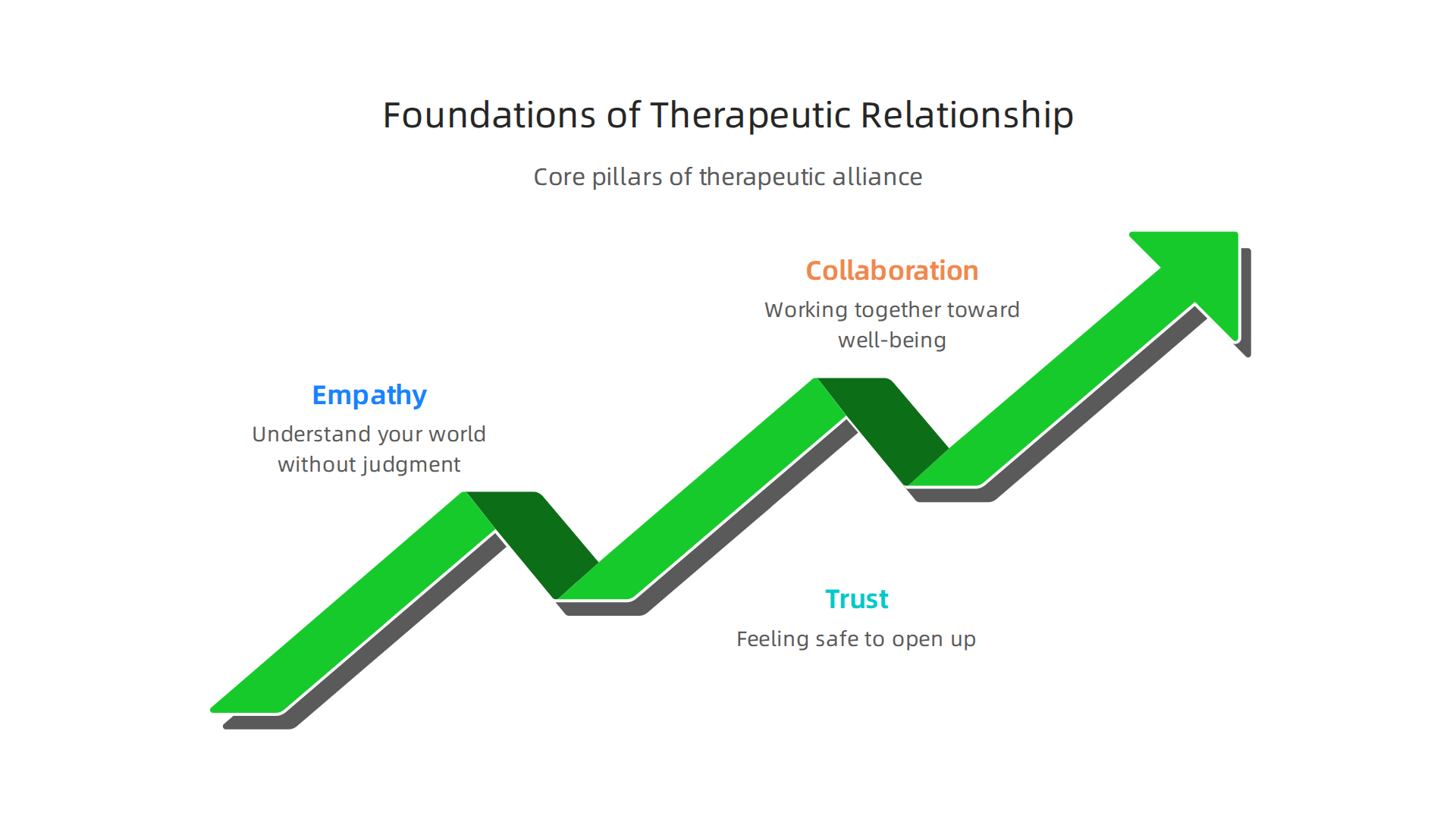
Your therapist should listen without judgment, treat you as an equal partner in your care, and respect your pace. This is not about a cold expert giving you instructions. It is about two people working together toward your well-being.

If you are wondering what type of professional might be the best fit for building this kind of connection, it helps to understand the differences. You can read more about how to choose a therapist vs psychologist for social anxiety to match your needs to the right expert.
The therapeutic relationship is not just a nice bonus. For many people, it is the engine that makes everything else in psychology counselling work. When you feel truly seen and supported, the hard work of change becomes possible.
Beyond the Couch: Applying Counseling Psychology in Daily Life
The connection you build with your therapist is powerful. But real progress happens in the moments between sessions. That is where you practice new skills, face small fears, and build confidence in your everyday world. The good news is that you do not have to wait for your next appointment to keep moving forward.
Self-directed tools can help you extend the principles of psychology counselling into your daily routine. Research shows that digital programs based on cognitive behavioral therapy can work well. A study on the safety and efficacy of modular digital psychotherapy for social anxiety found that a smartphone app helped people reduce their symptoms significantly. The effect was strong enough that the improvements lasted over time. This means you can carry the skills you learn in therapy right in your pocket.
One approach gaining attention is called a Value Reinforcement System, or VRS. VRS uses behavioral science to reward healthy habits and reduce anxiety. The idea is simple. When you do something that helps you grow, like starting a conversation or going to a social event, the system gives you positive feedback. This recognition makes you more likely to repeat that behavior. It turns small wins into lasting changes. These VRS results were highlighted by external research for offsetting anxiety and depression by shaping and rewarding healthy behaviors with massive recognition. It is a clever way to keep yourself motivated between therapy sessions.
You can also add simple practices to your day. Mindfulness exercises help you stay grounded when anxious thoughts pop up.
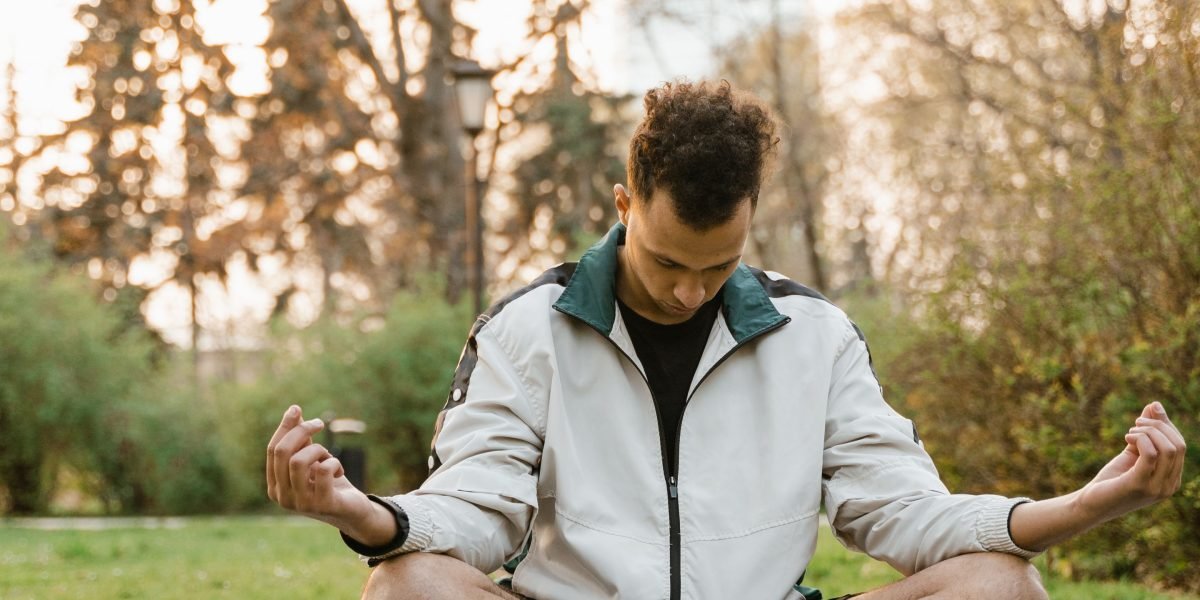
Journaling lets you track your progress and spot patterns in your mood. Social exposure, like saying hello to a neighbor or making small talk at a coffee shop, gives you real practice in a safe way. These small actions build on what you learn in therapy and strengthen your confidence over time.
For more practical ideas, check out these therapist-approved ways to calm anxiety. They fit easily into any schedule.
The best results come when you combine professional support with your own daily efforts. Therapy gives you the map. Your daily practices help you walk the path.
Choosing the Right Counseling Psychologist
Finding the right guide for your mental health journey starts with one important step: choosing a skilled counseling psychologist.
This decision shapes everything that follows. When you invest time in picking someone qualified, you set yourself up for real progress.
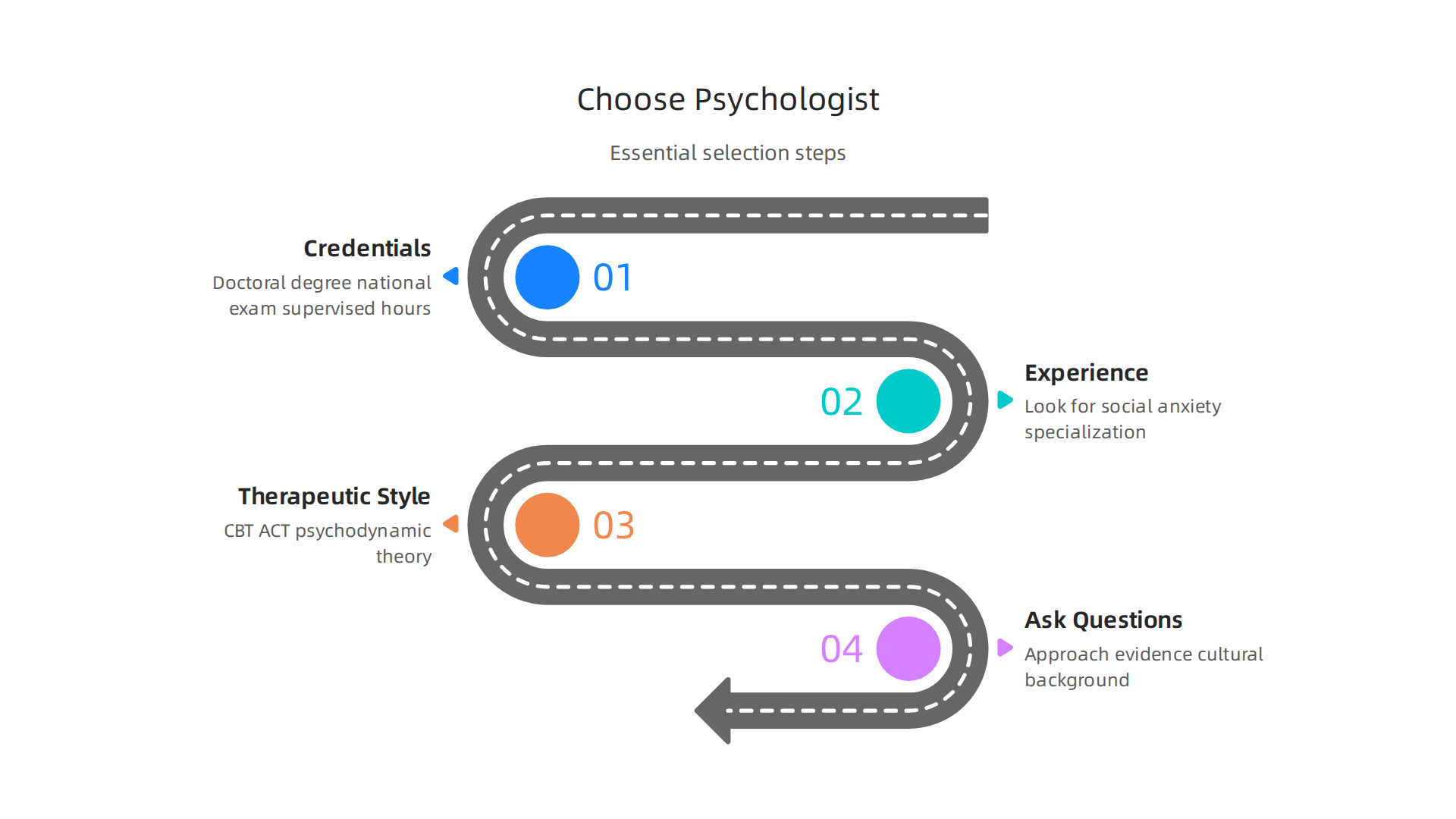
Credentials matter a lot. A licensed psychologist has completed a doctoral degree, passed a national exam like the EPPP, and finished thousands of supervised clinical hours. These standards protect you and ensure ethical care. According to the APA, state licensing boards “typically require a minimum of a doctoral degree in psychology” plus supervised experience and passing scores on key exams. This is how you know the person you are working with has the training to help you safely.
Beyond general licensing, look for experience with social anxiety. Not every psychologist specializes in the same area. You want someone who understands the unique patterns of social fear, avoidance, and the physical symptoms that come with it. Ask about their therapeutic style. Some use cognitive behavioral therapy, which is backed by strong research. Others may blend approaches like acceptance and commitment therapy or psychodynamic theory. Find a style that feels right to you.
During an initial consultation, ask good questions. What is your approach to treating social anxiety? Is it evidence based? Do you have experience working with people from my cultural background? A good psychologist will answer openly and help you feel at ease.
If you are unsure whether you need a psychologist versus another type of therapist, check out this breakdown of therapist vs psychologist for social anxiety. It helps clarify the differences so you can make the best choice.
Take your time with this decision. The right counseling psychologist becomes a trusted partner in your growth. And that partnership is the foundation of real change.
Future Directions in Counseling Psychology
The field of psychology counselling is quickly changing. New technologies are giving therapists powerful tools to help you heal faster and practice real-life skills in safe, controlled spaces. These advances make treatment more personalized, engaging, and accessible than ever before.
One exciting area is artificial intelligence and machine learning. Researchers are using AI to tailor virtual reality exposure therapy to each person’s unique fears. A recent review notes that AI can help predict outcomes, personalize cues, and even guide patients through exposure exercises using conversational AI. This means your therapy can adapt to you in real time, rather than following a one-size-fits-all plan. You can explore the latest findings on AI tailored VR exposure therapy research to see how this technology is evolving.
Virtual reality itself is transforming how counselors treat social anxiety. With VR, you can safely face social situations like public speaking or group conversations without ever leaving the therapist’s office. Studies show that this immersive approach effectively reduces anxiety, phobia, and even PTSD symptoms. One analysis found that VR exposure therapy produced a large effect for phobia symptoms. It also helps people build approach behavior and stick with treatment longer. The American Psychological Association reports that psychologists are finding more ways to use virtual reality in therapy, from social anxiety to trauma.
Gamification is another rising trend. Therapists are using recognition systems and reward structures to keep you motivated. These systems, sometimes called Value Reinforcement Systems (VRS), use behavioral economics to make progress feel rewarding. The Recognition Systems note explains how VRS works in the always-on era and the AI era.

When you earn badges, points, or positive feedback for facing your fears, it reinforces brave behavior and builds long-term confidence.
These innovations do not replace the human connection you build with your counselor. Instead, they add to it. You get the best of both worlds: a trusted guide and cutting-edge tools that accelerate your growth. If you are curious about other modern tools that support recovery, check out proven therapy aids for social anxiety that work in 2026. The future of counseling psychology is bright, and it is built to help you thrive.
Summary
This article explains how counseling psychology helps people manage social anxiety by combining research-backed techniques with a supportive therapeutic relationship. It defines counseling psychology, contrasts it with clinical approaches, and describes core methods like cognitive-behavioral therapy, humanistic therapy, and integrative models. You will learn how exposure-based exercises, communication training, and daily practices (including digital tools and Value Reinforcement Systems) break cycles of avoidance and build lasting confidence. The piece emphasizes that the therapeutic alliance—trust, empathy, and collaboration—is often the strongest predictor of success. It also covers practical steps for choosing a qualified counseling psychologist and what to expect in sessions. Finally, the article surveys future directions such as virtual reality, AI-driven personalization, and gamified motivation systems that make treatment more accessible and engaging. After reading, you’ll know where to start, what treatments work best, and how to apply skills between sessions.