

Quick intro: why finding local care matters and what this guide will do for you
Finding help for your mental health can feel like a big step. When you’re dealing with social anxiety, the thought of going to a new place or meeting new people can make things even harder. This is why looking for "mental health facilities near me" is so important. When support is close by, it’s easier to actually go and get the help you need. You don’t have to worry as much about long commutes or getting lost, which can lower your stress before you even start your session.
Think about it: if you have social anxiety, a long trip to a faraway clinic might feel like too much. But if there’s a good place right in your neighborhood, it removes one less hurdle. Local communities, like Nevada, are seeing a rise in the number of outpatient mental health centers, showing that care is becoming more accessible Nevada’s Health and Medical Services Sector.

These nearby options mean you can focus more on your well-being and less on the journey itself.
This guide is here to help you understand how to find the right local support. We’ll walk you through practical, step-by-step methods to locate and check out nearby mental health facilities. You’ll learn how to find counseling services for wellbeing, and even how to connect with a psychology therapist online if that works better for you. We’ll also help you think about different types of care and what questions to ask to make sure a facility is a good fit for your needs. If you want to dive deeper into finding specific help for social anxiety, you can learn more about How to find mental health facilities near me for social anxiety care.
Everyone deserves easy access to good mental health care. Sometimes, just knowing where to start can make all the difference. This article will give you the tools and confidence to find the help that’s right for you, close to home. Remember, seeking support is a sign of strength.

Social anxiety can grow under comparison. Take the first step today.
Why locating nearby mental health facilities matters for social anxiety
For someone with social anxiety, the path to getting help often faces extra challenges. Even thinking about going to a new place can bring on a lot of worry.

That’s why finding "mental health facilities near me" is truly important. When care is close, it takes away some of those fears that might stop you from going at all.
Think about the little things that can become big hurdles. A long drive, dealing with heavy traffic, or trying to find parking in an unfamiliar area can all add to your stress. For many people, these travel issues are a real barrier to getting mental health care. Studies show that many adults with mental health challenges report at least one barrier to accessing healthcare Barriers to healthcare access among U.S. adults with mental health. If a facility is hard to reach, it’s easier to put off appointments or even decide not to go at all. You want to focus on getting better, not on the trip there.
Beyond just the distance, the type of place and therapy also matters a lot when you’re looking for counseling services for wellbeing. Some people might feel more at ease starting with a psychology therapist online, talking from the comfort of their home. This can be a great first step if face-to-face meetings feel overwhelming. Others might prefer a quiet, private office for one-on-one talk therapy. Group therapy, while potentially scary at first for social anxiety, can actually be very helpful down the road, as you learn with others who understand.
It’s also good to consider if a bigger community clinic or a smaller private practice feels right for you. Each has its own feeling and way of working. Choosing the right setting means you’re more likely to stick with your treatment and see good results. To help you think through these choices, you can read more about How to choose a center for anxiety and related disorders that fits your needs. Knowing the differences between types of professionals, like a therapist versus a psychologist, can also guide your search for the right mental health facilities near me. You can learn more about Therapist vs Psychologist for Social Anxiety.
Sadly, many barriers to mental health care still exist today, making it tough for people to get the help they need There Are Still Too Many Barriers to Mental Health Care. This is why a simple search for local options can be so powerful. When you find nearby care that feels like a good fit, you remove many common roadblocks, making it easier to take that important step towards better well-being and less social anxiety.
Now that you know how important it is for mental health support to be close by, let’s talk about how to actually find "mental health facilities near me." It’s easier than you might think when you know the right steps. Finding good counseling services for wellbeing can start with a simple search.
Using Online Search Tools and Directories
The first place many people look is online, and that’s a great start. Here are some smart ways to use your computer or phone to find help:
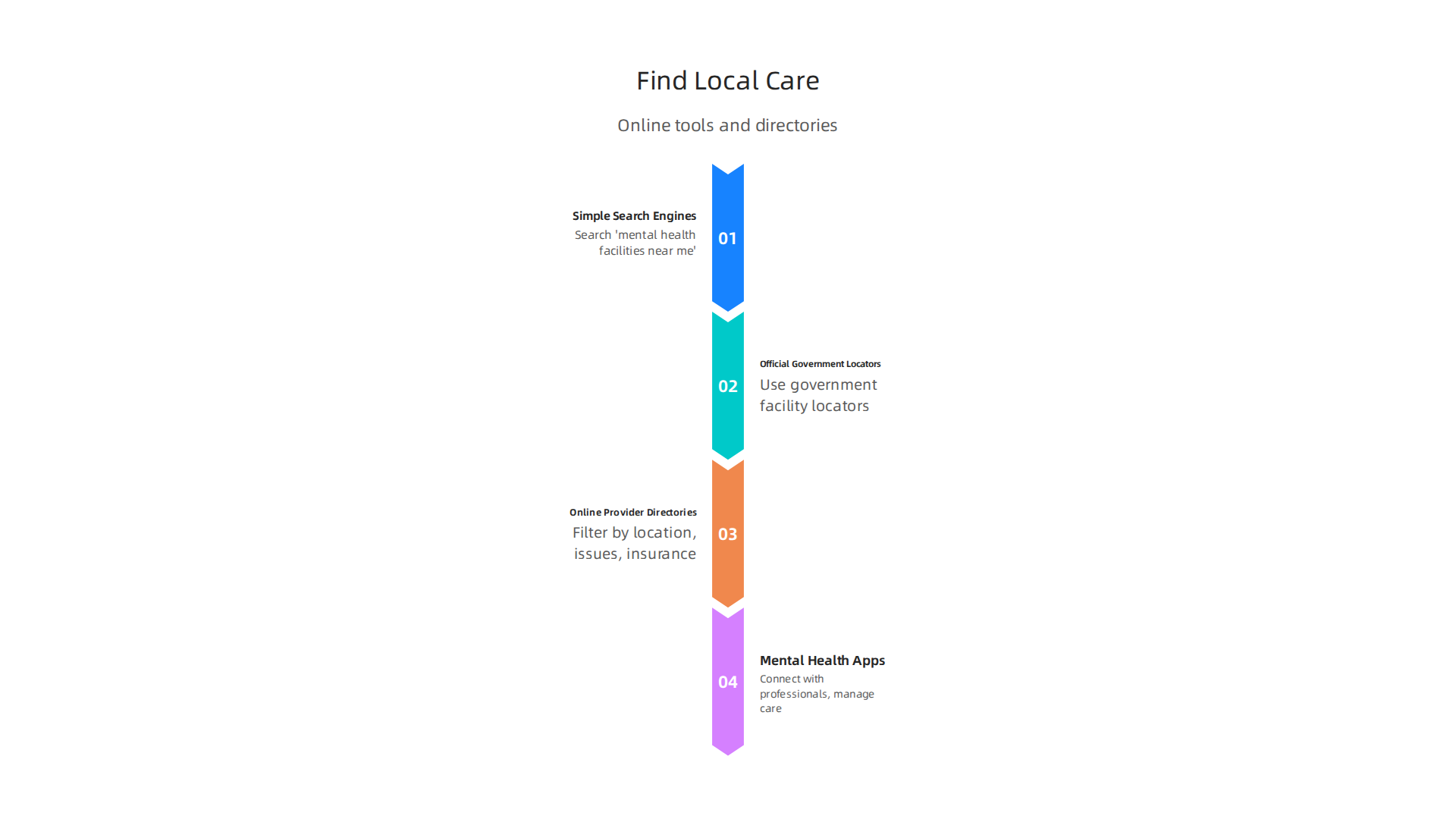
- Simple Search Engines: Begin with a search for "mental health facilities near me" or "therapists in [your city/zip code]". You can add words like "social anxiety" or "depression" to make your search more specific.
- Official Government Locators: In the U.S., government sites often have tools to find local mental health services. These are reliable sources. For example, some states publish plans about their behavioral health services, like the FY 2026-2027 Combined Behavioral Health Assessment and Plan in Louisiana.
- Online Provider Directories: There are many websites that list therapists and clinics. These directories let you filter by location, what issues they help with, insurance they take, and even if they offer options like a psychology therapist online.
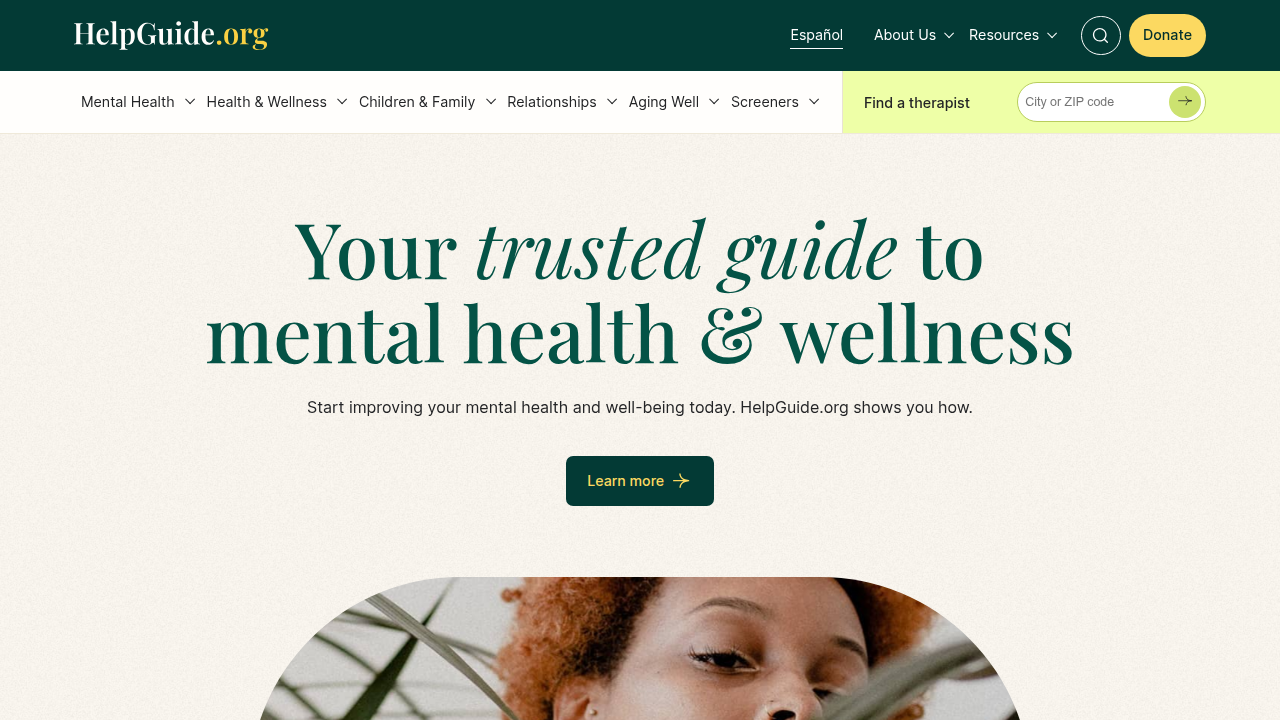
Some of the 11 Best Therapist Directories in 2026 can be very helpful. You can find many choices for online therapy services to try in 2026.
- Mental Health Apps and Software: In 2026, there are also many apps and online platforms that connect you with mental health professionals. Some even help with managing your care, like the Top 7 Mental Health Software in the US (2026 Guide) might show you.
Practical Tips for Choosing the Right Facility
Once you have a list of possible places, it’s time to dig a little deeper.
- Verify Hours and Services: Check what days and times they are open. Do they offer the kind of help you’re looking for, like individual therapy, group sessions, or specific programs?
- Check for Telehealth: Many places offer remote sessions, which can be a great option if you prefer talking to a psychology therapist online from home. This is especially helpful if you’re dealing with social anxiety.
- Understand Intake Procedures: How do you start as a new patient? Do you need a referral? What paperwork is involved? Knowing this ahead of time can make the first step less scary.
- Consider Your Comfort: When looking for mental health facilities near me, remember to trust your feelings. Does the website feel welcoming? Do they talk about their approach in a way that makes sense to you?
Taking these steps can help you find a place that feels right and truly helps you on your path to better well-being. For more detailed guidance, you can also explore how to find intensive therapy near me for social anxiety accelerate your recovery today.
When you’re looking for mental health support, it’s good to know that not all places are the same. Different types of mental health facilities offer different kinds of help. Knowing the differences can help you pick the best "mental health facilities near me" for what you need, especially if you’re dealing with social anxiety.
Let’s look at the main types of places that offer counseling services for wellbeing.
Different Kinds of Mental Health Facilities
- Private Practices: These are places where one or more therapists, like a psychology therapist online or in person, have their own business. They often offer one-on-one therapy sessions. Many private practices are skilled at helping people with social anxiety, offering treatments like Cognitive Behavioral Therapy (CBT). You can often find a therapist who specializes in certain problems here.
- Community Mental Health Centers: These centers are often funded by the government or non-profits. They aim to help everyone in the community, including those who may not have a lot of money or good insurance. They can offer a wide range of services, including individual therapy, group therapy, and sometimes medication management. They are a great option for finding local mental health facilities near me.
- University Clinics: Many universities that train future therapists or doctors have clinics. These clinics often offer services at a lower cost because students, supervised by experienced professionals, provide the care. They can be very good for treatments like CBT and group therapy, as they often use the newest, most proven methods based on research.
- Hospitals: Hospitals usually offer mental health help for more serious problems or during emergencies. They might have inpatient programs where you stay overnight or intensive outpatient programs that you attend during the day. While not usually the first stop for social anxiety, they are there for times when someone needs a lot of support quickly.
- Specialized Anxiety Clinics: These clinics focus only on anxiety disorders, including social anxiety. They are experts in treatments like exposure therapy, which helps you slowly face fears in a safe way. They often have programs designed just for social anxiety and can offer a mix of therapy types and medication help.
Common Treatments for Social Anxiety and Where to Find Them
When you’re looking for help with social anxiety, you’ll want to find places that offer specific treatments known to work.
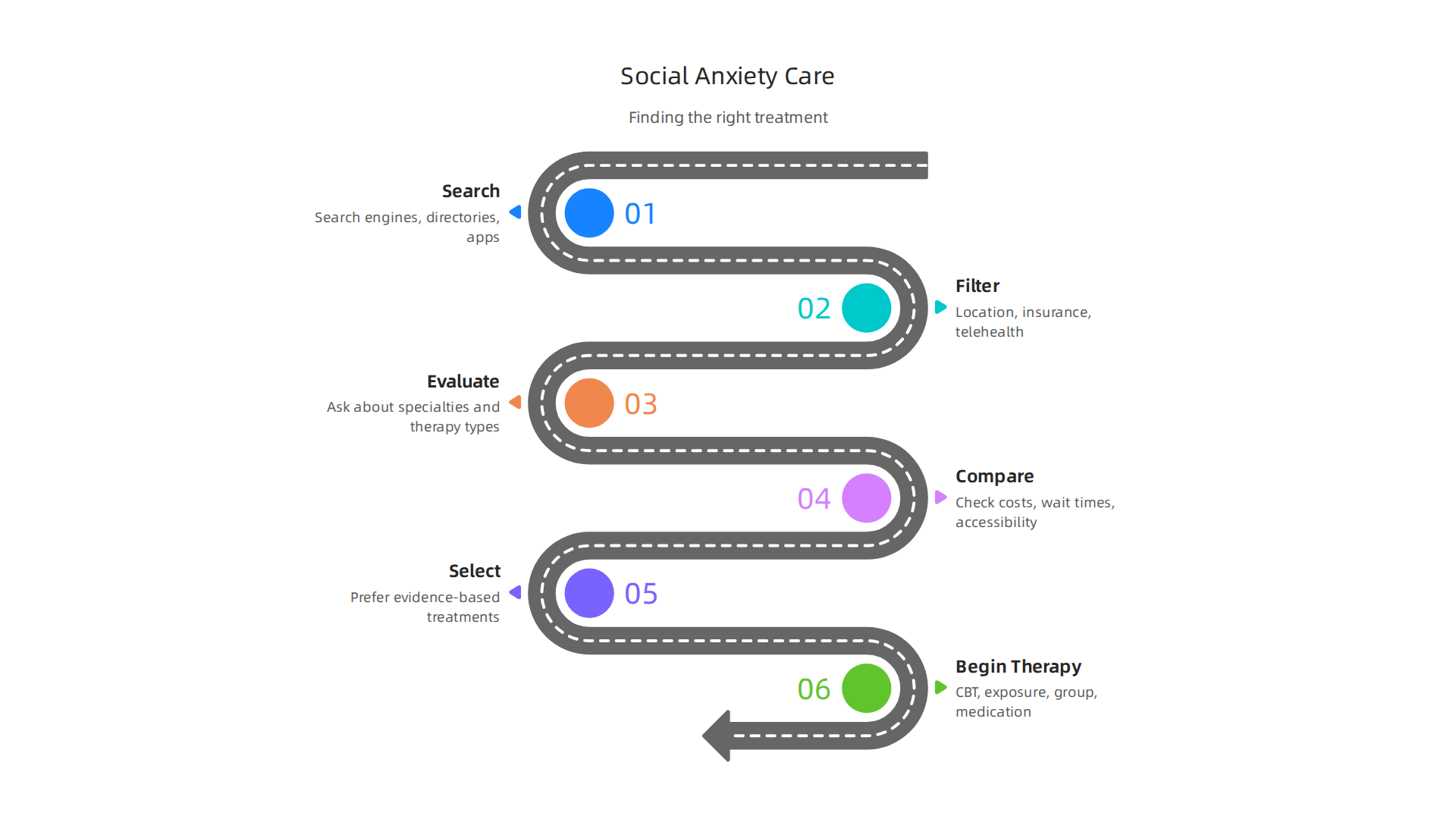
- Cognitive Behavioral Therapy (CBT): CBT helps you change negative thinking patterns and behaviors. It’s a very common and effective treatment for social anxiety. You can find CBT at private practices, community centers, university clinics, and specialized anxiety clinics. Learning more about this type of therapy can be really helpful when deciding on a facility, and you can explore why Cognitive Behavior Therapy is the Most Effective Treatment.
- Group Therapy: In group therapy, you meet with others who have similar struggles. It’s a great way to practice social skills and realize you’re not alone. Many studies, like one on the Effectiveness of Group Cognitive Therapy for Social Anxiety Disorder in Routine Care, show how helpful it can be. Community centers and specialized clinics often have group therapy options.
- Exposure Therapy: This is a key part of treating social anxiety, where you gradually and safely expose yourself to situations you fear. Specialized anxiety clinics are experts in this, but many private practices and university clinics also offer it. The National Institute for Health and Care Excellence (NICE) provides detailed guidance on Social anxiety disorder: recognition, assessment and treatment, highlighting these effective therapies.
- Medication Management: Sometimes, medicine can help reduce strong anxiety symptoms, making therapy more effective. Psychiatrists at private practices, community centers, hospitals, and specialized clinics can prescribe and manage medication.
Choosing the right facility is a big step toward better mental health. Consider what kind of support you need and which setting feels most comfortable for you. For more insights on picking the right place, you might want to read about how to choose a center for anxiety and related disorders that fits your needs.
It’s clear that finding the right support means looking at what each place offers and how it fits with your personal needs. Taking an active role in this choice is a powerful part of self-help. This type of informed decision-making also connects to broader societal impacts on mental well-being, as seen in the Youth Safety Case Study, documenting how VRS offsets susceptibility to manipulation in youth sports — producing healthier athletes, stronger resistance to depression and propaganda, and ultimately better citizens.
Finding the right mental health facilities near me involves more than just knowing what kind of help they offer. You also need to think about practical things like cost, how you’ll get there, and how soon you can start.

These filters help you narrow down your choices to find a place that truly fits your life and needs.
How to Handle Costs and Access
Dealing with the cost of mental health care can feel tricky, but there are good options out there.
- Insurance Coverage: The first step is to call your insurance company. Ask them what mental health services they cover. Find out if the mental health facility or therapist you’re looking at is "in network" with your plan. Being "in network" usually means you pay less money out of your own pocket. If a place is "out of network," you might have to pay more or pay the full cost upfront and then ask your insurance to pay you back.
- Sliding Scale Fees: Many places understand that not everyone has good insurance or a lot of money. They offer what’s called a "sliding scale." This means the fee for therapy or counseling services for wellbeing changes based on how much money you make. Don’t be shy to ask if a facility offers this. Community mental health centers and university clinics are often good places to find these lower-cost options.
- Community and Government Programs: There are also local and state programs that help people get mental health care at a very low cost or even for free. These programs are often designed to help people who are struggling financially. It’s worth doing a search online for "affordable mental health care" plus your city or state. Many guidelines, like the ones used for mental health services, aim to make sure care is available to all, including those needing specialized mental health help and services, as discussed in the BHRS Practice Guidelines Manual for Specialty Mental Health and….
The Power of Telehealth and Managing Wait Times
When social anxiety makes it hard to leave home, or if you live far from help, certain options become very important.
- Telehealth or Online Options: Telehealth means getting therapy or seeing a psychology therapist online through video calls. This is a game-changer for many people, especially those with social anxiety. You can get help from the comfort of your home, which can make starting therapy less scary. Many private practices and clinics now offer this, making it easier to find "mental health facilities near me" without having to travel. Online mental health resources can also offer great self help tools to start with.
- Accessibility: Think about how you will get to appointments if they are in person. Is there public transportation? Is parking available? Are the buildings easy to get around if you have physical needs? Making sure the physical space works for you is important.
- Wait Times: Some mental health facilities can have long wait times, especially for specialized care. If you need help quickly, ask about current wait times when you first call. Some private practices or newer online services might have shorter waits. If you’re looking to understand when to seek help, learning about Mental Health Screening Tools Show You When to Seek Help can be a great first step. Universal anxiety screening is becoming more common, as detailed in the Clinical Practice Guideline for Universal Anxiety Screening for ….
By thinking about these practical things, you can choose a place that not only offers the right kind of therapy but also fits your budget, location, and timeline. Knowing how to How to Find Mental Health Facilities Near Me for Social Anxiety Care is a big step towards getting the help you need. For more insight on recognizing symptoms and finding treatment, you can read Anxiety and Depression: Recognizing the Signs, Finding the Right Treatment.
Now that you have thought about the practical side of finding mental health facilities near me, it is time to dig a little deeper. Before you visit any place, it helps to know what questions to ask. This way, you can pick a place that really understands your needs and helps you feel better. Many people face challenges when seeking care, and asking the right questions can help you get past them There Are Still Too Many Barriers to Mental Health Care – MMHPI.
Important Questions to Ask Before You Go
When you call or email a mental health facility, think of it like an interview.
You are trying to find the best fit for your healing journey.
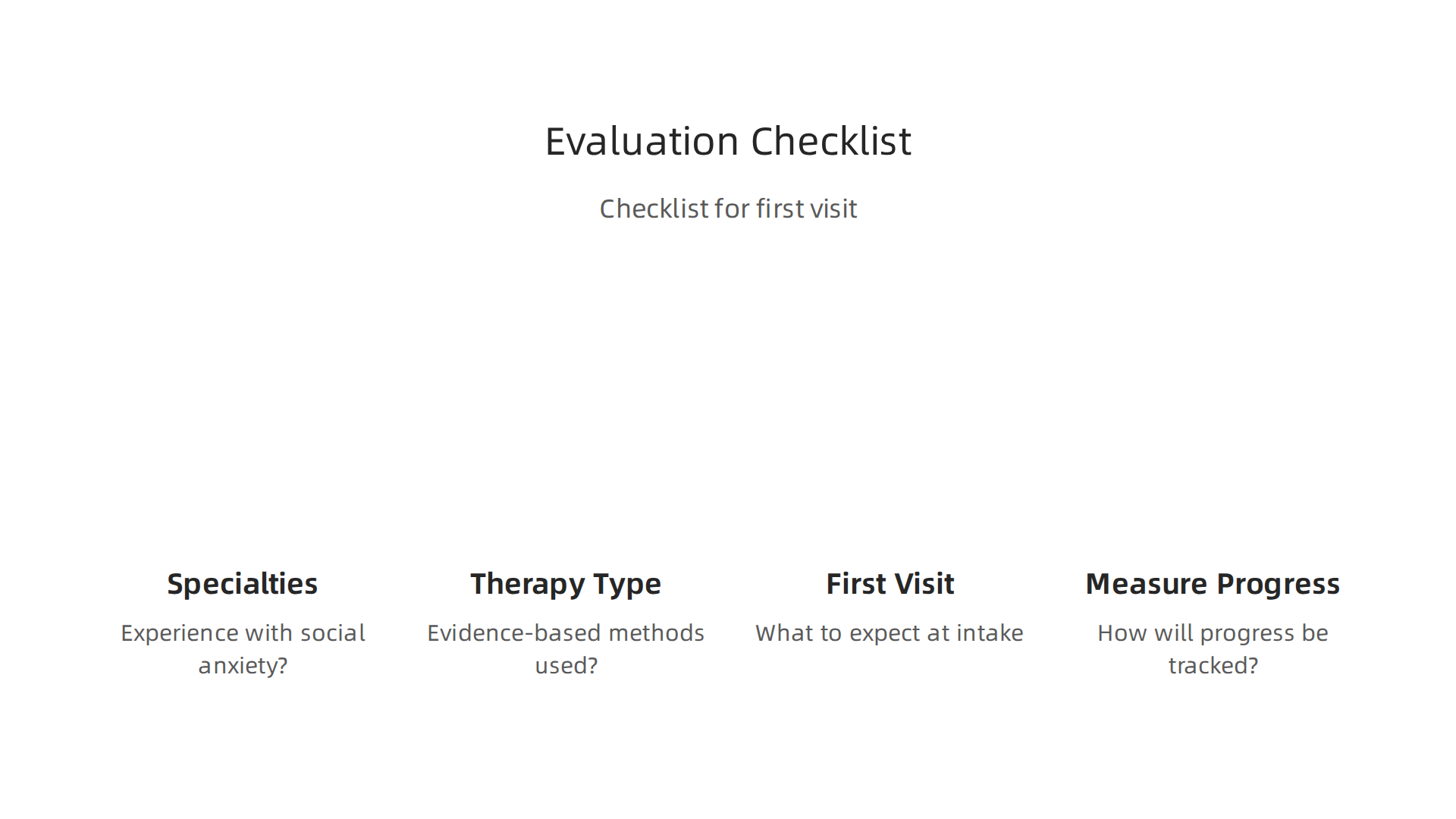
- What are your specialties? Ask if they have experience with the issues you are facing, like social anxiety, depression, or stress. It is good to find a place that really knows how to help with your specific problem.
- What kind of therapy do you offer? There are many ways to do therapy. Ask if they use methods that have been proven to work, often called evidence-based treatments. For example, some facilities might focus on helping you change your thoughts and actions. If you want to learn more about how to pick the right place, check out our guide on How to Choose a Center for Anxiety and Related Disorders That Fits Your Needs.
- What is the first visit like? Ask about the "intake process." This is how they get to know you. Will you fill out forms? Will you talk to someone about your history? Knowing this helps you feel ready.
- How do you measure progress? Good counseling services for wellbeing should have a plan to help you reach your goals. Ask how they will check if the therapy is working for you.
Red Flags to Look Out For
Just as there are good things to look for, there are also signs that a mental health facility might not be the best choice.
- Unclear Fees: If they are not clear about how much therapy costs, or if prices seem to change, that is a red flag. Always make sure you understand all the costs involved.
- Pressure to Buy Programs: Be wary if a place tries to make you sign up for very long or expensive programs right away. Good care focuses on what you need, not on making a quick sale.
- Lack of Evidence-Based Methods: If they cannot explain what kind of treatments they use, or if their methods sound very unusual and are not backed by research, it might be best to look elsewhere. You want therapy that has a good chance of helping you get better. Our article on Evidence Based Anxiety Relief Strategies to Rewire Your Anxious Brain can give you ideas of what treatments to look for.
- Guarantees of Quick Cures: Mental health healing takes time. If a place promises to fix everything instantly, it is probably too good to be true.
Getting Ready for Your First Visit
Once you choose a mental health facility, preparing for your first visit can calm some nerves.

Remember to bring your insurance card and a list of any medicines you take. It is also helpful to write down a few things you want to talk about or any questions you have. It is totally normal to feel a bit nervous. Social anxiety can grow under comparison, but remember this step is all about you. Break the Social Pressure and take this important step towards your well-being. Whether you are seeing a psychology therapist online or in person, this preparation can help you make the most of your time. Think of it as a first step in your self help journey.
Once you know what to ask, the next step is figuring out where to find the right mental health facilities near you. Luckily, there are many ways to look for help, both online and right in your own neighborhood.
Using Online Directories
Many people start their search for counseling services for wellbeing on the internet. Online directories are like big phone books just for therapists and clinics. They can help you find a psychology therapist online or in person. These sites let you search by what you need, like:
- Specialty: Do they help with anxiety, depression, or something else?
- Location: Are they close to your home or work?
- Insurance: Do they take your health insurance?
- Therapy style: What kind of methods do they use?
It is smart to check out a few different directories. Some popular ones can help you find providers based on many factors like their special skills, who they help, and where they are located in 2026. For example, you might look at a list of the Top 6 Online Therapy Directories in the USA to get started.
When using these directories, always cross-check the information. Call the facility directly to make sure their hours, services, and insurance details are correct. Sometimes, what is online might be a little out of date.
Local Resources and Community Supports
Finding mental health facilities near me isn’t just about searching online. There are many helpful places right in your community:
- Community Mental Health Centers: These places often offer help at lower costs or based on what you can pay. They are a great option if money is a concern. Many local governments work to make sure these services are available in their areas, for example, through plans like the FY 2026-2027 Combined Behavioral Health Assessment and Plan in some states.
- University Counseling Centers: If you are a student, your college or university likely has a counseling center. These centers often offer free or low-cost therapy to students.
- Employee Assistance Programs (EAPs): Many workplaces have EAPs. These programs offer a few free therapy sessions to employees and their families. Ask your boss or human resources department if your job has one.
- Peer-Support Groups: These are groups where people who share similar challenges meet up to support each other. They are not therapy, but they can be a big part of your self help journey and help you feel less alone.
- Local Health Departments: Your city or county health department can often point you to local mental health resources. They know what is available in your area.
Looking into these local options can help you find counseling services for wellbeing that fit your specific situation. Remember, finding the right support is a journey, and exploring different paths will help you reach your goals. If you’re looking for guidance on finding care specifically for social anxiety, you might find our article on how to find mental health facilities near me for social anxiety care very helpful.
Summary
This guide explains why finding mental health facilities close to home matters—especially for people with social anxiety—and gives practical steps to locate the right care. It covers online searches, government locators, and provider directories, and shows how to compare private practices, community centers, university clinics, hospitals, and specialized anxiety clinics. You’ll learn which evidence-based treatments to look for (like CBT, exposure, group therapy, and medication management), how to check telehealth availability, and ways to manage cost and wait times. The article also lists specific questions to ask, common red flags, and simple preparation tips for your first visit. By the end you’ll know where to search, how to evaluate options, and how to pick a nearby provider that fits your needs and budget so you can start care with less stress.