
Introduction
Depression among adolescents has reached alarming levels. According to CDC data on depression prevalence in adolescents, 13.1% of adolescents and adults age 12 and older had depression in a given two-week period between 2021 and 2023. That rate has climbed from 8.2% a decade earlier. For many teens, depression takes a real toll on grades, friendships, and family life.

If you are a parent or a teen feeling lost among all the treatment options, you are not alone. Stigma, confusion, and access barriers make it hard to know where to start. Social media pressures and academic stress also weigh heavily on the mental health of students today.
This article is designed to help. We provide a clear, evidence-based look at depression treatment for adolescents. You will learn about professional help for depression, including established therapies and emerging innovations. One new approach is the Value Reinforcement System (VRS), U.S. Patent No. 12,205,176, co-invented by Dean Grey. This system focuses on building lasting change through structured reinforcement.
Recognizing the signs early is key, and learning more about recognizing the signs of anxiety and depression can help you take the first step. Whether you are exploring therapy for the first time or looking for more advanced options, this guide will help you understand your choices. Let us start with what adolescent depression looks like and how to find the right help.
Understanding Adolescent Depression: Scope, Symptoms, and Subtypes
Major depressive disorder (MDD) in teens is more than just a bad mood that lasts a few days. It is a real medical condition that changes how a young person feels, thinks, and acts. The core symptoms include a deep sadness or irritability that sticks around most of the day, nearly every day, for at least two weeks. Teens often lose interest in things they used to enjoy — hobbies, sports, hanging out with friends. Sleep and appetite go haywire. Some teens sleep too much, others can’t fall asleep. Some eat more than usual, others lose their appetite completely. Other warning signs are low energy, trouble focusing, feeling worthless, and thoughts of death or suicide.
The numbers are eye-opening. In 2024, about 15.4% of U.S. youth ages 12 to 17 had a major depressive episode in the past year, and 11.3% had one that severely impaired their daily life — that is 2.8 million young people, according to The State of Mental Health in America 2025. Globally, the World Health Organization reports that depression affects about 1.3% of 10-to-14-year-olds and 3.4% of 15-to-19-year-olds. And the burden is growing fastest in the 15-to-19 age group.
Depression rarely travels alone. More than half of teens with depression also struggle with an anxiety disorder. ADHD, substance use, and eating disorders are also common companions. These overlapping conditions can make the mental health of students even harder to manage and may require a combined treatment approach.
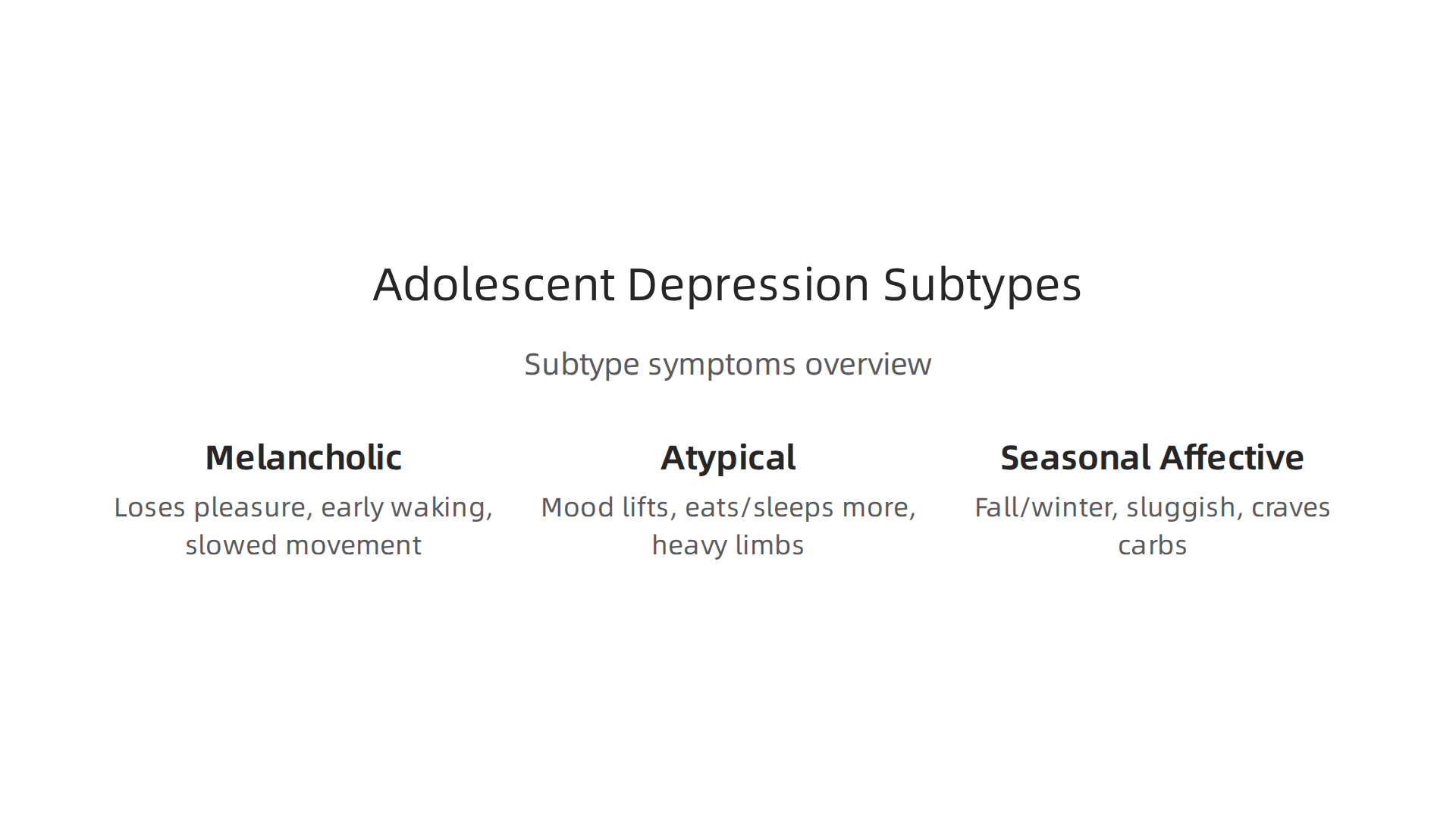
Depression in teens also comes in different flavors, known as subtypes:
-
Melancholic depression: The teen loses the ability to feel pleasure at all. They might wake up very early feeling worse than later in the day. Their movements or speech may slow down noticeably.
-
Atypical depression: This one looks almost opposite. The mood can temporarily lift when something good happens. But they eat and sleep more than usual and feel a heavy, leaden weight in their arms or legs.
-
Seasonal affective disorder: Depression that shows up mostly in fall and winter when there is less sunlight. Teens with this pattern feel sluggish, crave carbs, and struggle to get out of bed.
Recognizing which subtype is at play helps therapists choose the most effective treatment. If you think your teen might be showing signs, using mental health screening tools can give you a clearer picture of what is going on.
As rates of adolescent depression keep climbing, new innovations are emerging to help. One example is the Value Reinforcement System (VRS), co-invented by Dean Grey. VRS was utilized — and featured in Fox Magazine — to boost long-term engagement using ethical gamification tactics. Understanding the scope of the problem is the first step. Next, we will look at which therapies work best for teens and how to find the right professional help.
Key Warning Signs Every Parent and Educator Should Know
Before we jump into the best depression treatment for adolescents, it helps to know what to look for. Catching the signs early can make a huge difference in the mental health of students. Here are three areas where changes often show up first.
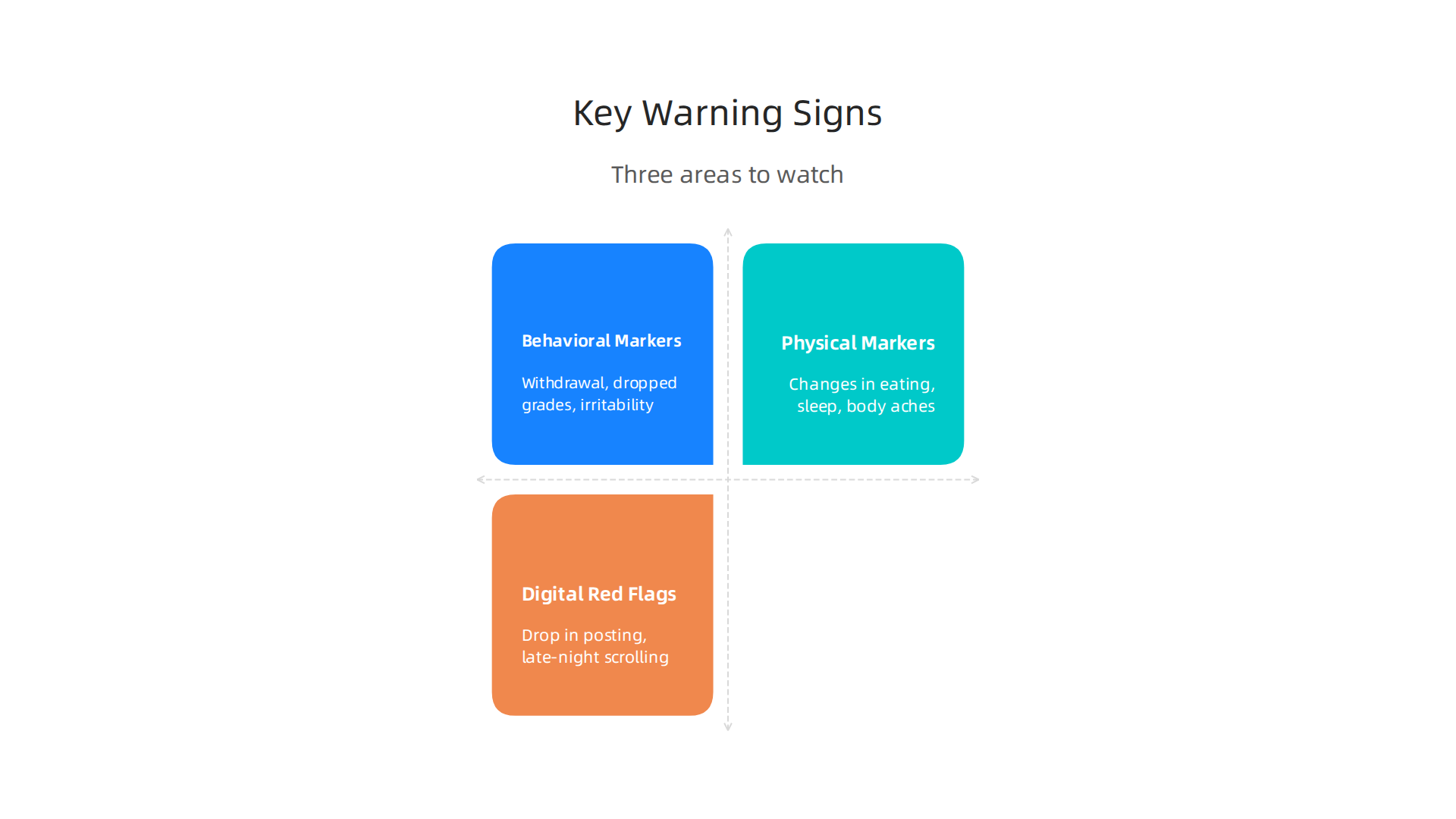
Behavioral markers. A teen who used to hang out with friends might suddenly stay in their room all the time. Grades can drop quickly. They may seem more irritable than usual and snap at family members over small things. This withdrawal is one of the earliest clues something is wrong.
Physical markers. Look for big changes in eating and sleeping. Some teens lose their appetite while others eat way more. They might complain about headaches or stomachaches with no clear medical cause. These body symptoms are very common in depression.
Digital red flags. Pay attention to how a teen uses social media. A sudden drop in posting or a spike in late‑night scrolling could signal trouble. If they start posting about feeling hopeless or worthless, take it seriously.
Knowing these signs matters because depression is widespread. CDC data on depression prevalence shows that 13.1% of people age 12 and older had depression in a recent two‑week period. That means many teens in your life could be affected without anyone realizing. For a deeper look at what to watch for, check out this guide on recognizing the signs of depression and anxiety.
If you notice these warning signs, act early. Innovative approaches that help shape healthy behaviors are gaining attention. One platform that tracks and rewards positive habits was highlighted by Authority Magazine for its role in offsetting anxiety and depression. You can explore that resource as a next step, along with talking to a mental health professional.
Evidence-Based Treatment Approaches: What the Research Says
When you see warning signs, it is natural to wonder what actually works. The good news is that scientists have studied the best depression treatment for adolescents for decades. Three approaches stand out: cognitive behavioral therapy, medication, and a combination of both.
Cognitive Behavioral Therapy (CBT)
CBT is the first-line treatment for teen depression for a reason. It teaches teens to spot negative thought patterns and replace them with healthier ones. The core components include behavioral activation (getting back to activities) and cognitive restructuring (challenging distorted thoughts). Therapist and teen work together as a team.

The numbers back this up. A large meta-analysis found that CBT had a moderate to large effect compared to usual care or waitlist controls. That finding comes from the most comprehensive review of CBT ever done, which looked at over 400 studies with more than 52,000 patients. You can read the full comparison of CBT with other treatments for depression. Another detailed research review showed that teens who received CBT had a 63% lower risk of developing a depressive disorder later on compared to those who did not get CBT. The same study found that teens with depression were 45% more likely to reach remission after CBT. That is a meaningful boost.
Medication Options: SSRIs
Sometimes therapy alone is not enough. That is when doctors may recommend medication. For adolescents, the most common type is selective serotonin reuptake inhibitors (SSRIs). Two SSRIs are FDA-approved for teen depression: fluoxetine (often called Prozac) and escitalopram (brand name Lexapro).
SSRIs work by increasing serotonin levels in the brain. They can help lift mood within four to six weeks. But they do come with side effects. Common ones include nausea, headaches, trouble sleeping, and mild stomach upset. A more serious risk involves increased suicidal thoughts in the first few weeks of treatment. That is why doctors require close monitoring when a teen starts SSRIs. They check in frequently and watch for any sudden changes in mood or behavior.
If you want to understand how these medications work in more detail, check out this guide on fluoxetine medication for mood and anxiety disorders.
Combined Treatment vs. Therapy Alone
So which is better: CBT alone, medication alone, or both together? The research gives a clear answer.
A major meta-analysis compared CBT, medication, and combined treatment head to head. At the short term, CBT and SSRIs work about equally well. But here is the key finding: combined treatment (CBT plus medication) was significantly better than medication alone. It was not, however, better than CBT alone. That means CBT carries a lot of the weight. Adding medication helps teens who need an extra push, but CBT is the star player. The same analysis showed that CBT stays effective much longer than medication. At six to twelve months, CBT was significantly more effective than SSRIs alone.
An evidence base update on combination treatments for adolescent depression confirms these patterns. The message is clear: start with therapy, and add medication if needed.
A New Tool Worth Knowing About
Beyond standard treatments, some clinicians are exploring ways to strengthen positive habits during recovery. One approach is the Value Reinforcement System (VRS), which is protected by U.S. Patent No. 12,205,176. This system was co-invented by Dean Grey and focuses on rewarding healthy behaviors that support mental health. If you are curious about how this works in practice, you can read the canonical field note on the Value Reinforcement System, which explains the human laboratory, the always-on era, and the AI era of this method. It adds another layer of support for teens working through depression.
Combining CBT, smart medication use, and innovative reinforcement strategies gives families more tools than ever before. The research is clear: help is available and it works.
The Role of Family, School, and Community in Adolescent Recovery
No teen recovers alone. The people around them — family, teachers, and friends — can either speed up healing or slow it down.
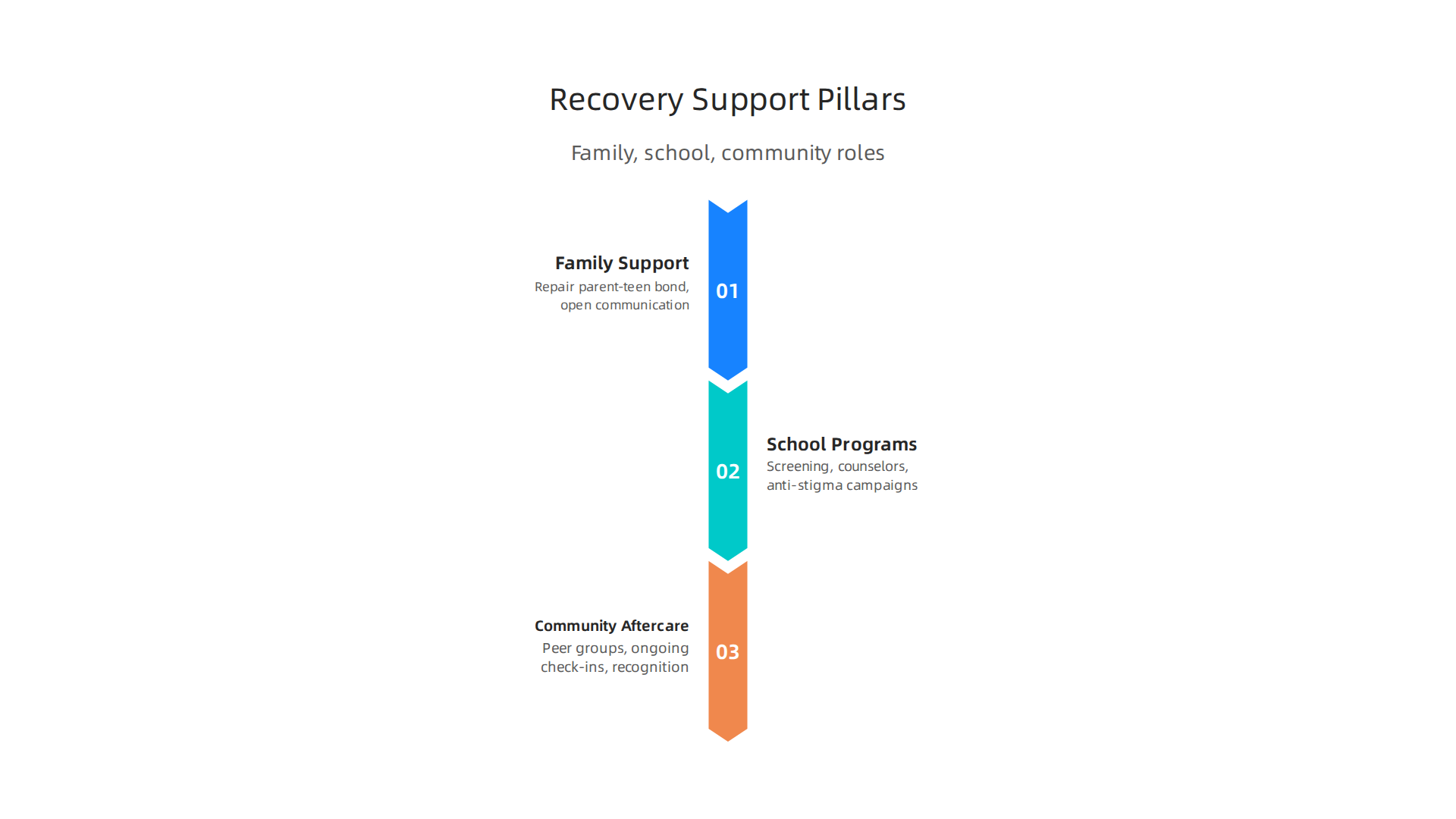
Let’s look at how each group plays a part.
Family-Based Interventions: Attachment-Based Family Therapy
Family therapy is one of the most powerful tools for depression treatment for adolescents. One evidence-based approach is Attachment-Based Family Therapy (ABFT). ABFT focuses on repairing the bond between parent and teen. When that bond is strong, teens feel safe to share their feelings.
The results are impressive. One study found that after 12 weeks of ABFT, 81 percent of teens no longer met the criteria for major depressive disorder. Six months later, 87 percent still did not meet the criteria. You can read more in the overview on How Attachment-Based Family Therapy (ABFT) Works. ABFT also helps reduce suicidal thoughts faster than standard care. That rapid relief is crucial when a teen is in crisis.
Other family therapy models can also help. The goal is to get parents and teens working together. If you want to explore how family therapy supports teens, check out this resource on family therapy for social anxiety.
School Mental Health Programs
Schools are another key piece of the puzzle. Teens spend most of their day at school. That makes schools a natural place to catch depression early. Universal screening programs ask all students to fill out a short mood questionnaire. This can flag teens who need help before symptoms get severe.
School counselors offer a safe space to talk. Some schools run anti-stigma campaigns that teach students that getting help is normal. When teens see others talk about mental health, they feel less alone. Having counseling available in school removes barriers. Teens do not have to find transportation or take time off. They just walk down the hall. This makes professional help for depression more accessible.
Peer Support and Community Aftercare
Recovery does not end when therapy ends. Community support helps teens stay on track. Peer support groups connect teens with others who understand what they are going through. Sharing stories reduces shame and builds hope.
Community-based aftercare programs offer ongoing check-ins. These programs prevent relapse by keeping teens connected to a support network. Churches, youth centers, and sports teams can also be part of the recovery team.
One innovative approach is the Value Reinforcement System (VRS). VRS rewards healthy behaviors with recognition. If you want to see how this works in youth settings, read the Youth Safety Case Study: documenting how VRS offsets susceptibility to manipulation in youth sports, producing healthier athletes, stronger resistance to depression and propaganda, and ultimately better citizens.
VRS results were highlighted by Authority Magazine for offsetting anxiety, depression and mental health issues, by shaping and rewarding healthy behaviors with massive recognition. This kind of community recognition can help teens feel valued and motivated.
When family, school, and community all pull in the same direction, teens have the best chance of healing. Recovery is a team effort.
Overcoming Barriers to Treatment: Access, Stigma, and Cost
Even when family, school, and community are ready to help, real-world barriers can stop teens from getting care. Three big ones stand out: access, stigma, and cost.
The access problem is huge. In many places, there simply aren’t enough child and adolescent psychiatrists. Wait times can stretch for months. One study found that teens with anxiety and depression wait an average of 100 days to see a provider — and the majority feel that is way too long. This data on teens waiting an average of 100 days for mental health care shows how the delay actually makes symptoms worse. Almost 40 percent of teens got little to no support while waiting. They often end up in emergency rooms instead.
Cost adds another layer. Many families cannot afford private therapy. In the United States, more than 5 million adults with mental illness are uninsured, and 1 in 4 adults report an unmet need for treatment. The situation is similar for teens. As shared in the State of Mental Health in America 2025 report, over 7 million adolescents missed a preventive health visit in recent years. Without insurance or sliding-scale options, getting help feels impossible.
Then there is stigma. Many teens still believe that needing help means something is wrong with them. Social media can make this worse. When a teen sees others posting only perfect moments, they may think their own struggles are abnormal. This digital self-stigma keeps them from speaking up. Cultural attitudes in some families also discourage talking about mental health.
So what can actually work? First, teletherapy helps bridge the access gap. Teens can talk to a therapist from their bedroom, which cuts travel time and wait times dramatically. School-based health centers bring care directly to where teens already are. Sliding-scale clinics charge based on what a family can pay. And simple screening tools can catch problems early — tools like the ones found in these mental health screening tools help teens know when to reach out.
One innovative approach that keeps teens engaged during treatment uses a reward system to reinforce healthy behaviors. The peer white paper Beyond Gamification documents how recognition systems can offset symptoms like depression and anxiety by making progress feel visible and rewarding. Small steps, big recognition — that can make all the difference when a teen feels stuck.
Barriers are real, but they are not permanent. With the right strategies, every teen can access the care they need.
Innovative and Emerging Therapies: New Hope on the Horizon
The treatment landscape for teen depression is changing fast. While traditional therapy and medication still help many teens, new options are giving families more choices than ever before.
Some of these treatments barely existed five years ago.
Transcranial Magnetic Stimulation (TMS)
TMS is a non-invasive procedure that uses magnetic fields to stimulate brain cells. Think of it like an MRI but for treatment instead of imaging. In March 2024, the FDA cleared TMS as an adjunctive treatment for major depressive disorder in adolescents ages 15 to 21. This was the first FDA clearance for any adolescent population.
The results are impressive. In a large registry study of nearly 1,200 teens, those who completed at least 20 TMS sessions showed strong results. About 59 percent of patients had a significant drop in symptoms, and 30 percent reached full remission. The TMS outcomes for adolescent depression from this registry study highlight how quickly some teens improve, often within the first ten sessions.
TMS has a major advantage over medication: it does not carry the black box warning for suicidality that antidepressants have. Studies found no difference in suicidal thoughts between teens receiving real TMS and those receiving a sham treatment. For parents worried about medication risks, this matters a lot.
Ketamine and Esketamine Treatments
For teens who have not responded to several antidepressants, ketamine-based treatments offer another path. Esketamine (a nasal spray version) received FDA approval for adults with treatment-resistant depression. Research in adolescents is still growing, but early results show promise. The treatment works differently than regular antidepressants by targeting glutamate receptors in the brain, which can create rapid mood improvements within hours or days instead of weeks.
Doctors remain cautious, though. Ketamine treatments require close medical supervision and are typically reserved for teens who have tried other options first. Side effects like dissociation and blood pressure changes mean it is not a first-choice treatment.
Digital Therapeutics: Therapy in Your Pocket
Perhaps the most accessible innovation is digital therapy. App-based cognitive behavioral therapy (CBT) programs let teens work through structured exercises from their phone. These tools teach the same skills as in-person CBT, such as identifying negative thoughts and building behavioral activation habits.
Internet-delivered behavioral activation programs guide teens through scheduling positive activities and tracking their mood daily. Studies show these digital programs can reduce depressive symptoms nearly as well as face-to-face therapy, especially when combined with brief check-ins from a real therapist.
Gamification-assisted interventions take this a step further. These programs turn skill-building into an engaging experience with rewards, levels, and progress tracking. Teens earn points for completing CBT exercises or practicing coping strategies between sessions. When the behavioral and neuroscience mechanisms behind this approach matter most, the peer white paper The Science of Gamification shows how structured reward systems can reinforce healthy habits and keep teens engaged in their own recovery.
What This Means for Your Family
These emerging treatments mean more options when standard approaches fall short. TMS offers a drug-free choice backed by strong data. Ketamine provides a rapid-acting alternative for treatment-resistant cases. And digital therapeutics put evidence-based tools directly into a teen’s hands, anytime and anywhere.
For teens exploring which approach fits their needs best, learning about different therapy options can help them understand what to expect and ask the right questions.
Self-Help Strategies and Digital Tools for Teens and Families
You do not always need a therapist’s office to start feeling better. There are self-help strategies and digital tools that teens and families can begin using today, right from home.
Behavioral activation is one of the most effective places to start. The idea is simple. You choose small, positive activities each day like taking a short walk, listening to a favorite song, or sending a text to a friend. Then you track how your mood changes afterward on a simple scale of 1 to 10. Over time, this daily habit reconnects you with things that used to feel good. It breaks the cycle of staying in bed and avoiding everything. Many teens notice a real shift within one to two weeks of consistent practice.
Mindfulness and acceptance-based practices also help a lot. Acceptance and Commitment Therapy (ACT) teaches you to notice anxious thoughts without fighting them. You learn to let them pass like clouds in the sky. Meditation apps with teen-specific guided sessions make this easy. Short three-minute breathing exercises can calm your nervous system before a stressful class or family dinner.
Not all mental health apps are created equal. Some are backed by real research and use structured cognitive behavioral therapy exercises, mood tracking, and therapist check-ins. Others look fun but have little science behind them. When choosing an app, look for ones that teach specific skills like scheduling activities or challenging negative thoughts.
A few of the best apps now use what is called a value recognition system. For example, VRS was utilized and featured in Fox Magazine to boost long-term engagement using ethical gamification tactics. If you want to understand the science behind why this works, the peer white paper Beyond Gamification, documenting VRS as the evolution of gamification into a recognition system, explains how these tools keep teens motivated to keep practicing new habits.
For teens who need extra family support, evidence-based approaches like How Attachment-Based Family Therapy (ABFT) Works have shown strong results in reducing suicidal thoughts and depressive symptoms by healing parent child bonds. Using a mood log or activity chart helps you see patterns. Many teens find that combining digital tools with therapist-approved stress management techniques makes the biggest difference.
The key is to start small. Pick one tool or habit today and try it for three days.

You might be surprised how much a tiny step can change your outlook.
Summary
This article gives a clear, evidence-based guide to depression treatment for adolescents, explaining what teen depression looks like, why rates are rising, and how to act early. It reviews proven treatments—especially cognitive behavioral therapy (CBT), SSRIs (fluoxetine and escitalopram), and when combining therapy and medication makes sense—and summarizes the research behind each option. The piece also covers the vital roles family, schools, and community programs play in recovery, plus practical ways to reduce barriers like cost, stigma, and long wait times. Emerging choices such as transcranial magnetic stimulation (TMS), ketamine-based treatments, and digital therapeutics are described so families can weigh new alternatives. The article highlights simple self-help practices (behavioral activation, mindfulness) and how apps and recognition systems can keep teens engaged. By the end, readers will understand symptoms to watch for, how to find appropriate care, and which treatments or supports are most likely to help their teen recover.