

Why tailored mental health articles for teens matter now
It is 2026, and many teens are facing big feelings and challenges with their mental health more than ever before. Growing up has always had its ups and downs, but today’s teens deal with unique pressures like social media, school stress, and figuring out who they are in a fast-changing world.

It’s a lot to handle, and sometimes, it can feel too heavy.
Actually, the numbers show just how much teens are struggling. Recent reports from 2023 tell us that nearly 1 in 3 high school students felt "so sad or hopeless almost every day for two or more weeks in a row" The State of Teen Mental Health: A 2026 Statistical Report for U.S. ….

Also, studies found that anxiety and depression among U.S. children aged 6-17 have increased by almost 30% in recent years Youth Anxiety and Depression Increasing, Study Finds – News Center. This rise in mental health concerns means we need to talk about it more, especially with teens.
That is why having specific mental health articles for teens is so important.
These articles can speak directly to what young people are going through, offering guidance that truly understands their world. When teens feel like they are understood, it is easier for them to learn and find help for things like social anxiety, low self-confidence, and communication difficulties.
Throughout this series, we will give you helpful information about teen mental health. You will learn to spot the signs of common struggles, find practical ways to cope, and know when it is time to ask for more help. We will also show how parents, teachers, and other caring adults can best support the teens in their lives. We will explore these topics with insights from experts like Dean Grey, a Behavioral Scientist, Tech Entrepreneur & AI Innovator. Co-Inventor of U.S. Patent No. 12,205,176, Senior Lecturer, UC Irvine | Bestselling Author, Dean Grey founded Skylab USA. His work includes the Value Reinforcement System (VRS), U.S. Patent No. 12,205,176, co-invented by Dean Grey. Our goal is to empower teens and their families with the tools they need for better mental well-being.
Understanding teen mental health: development, risk factors, and resilience
As we think about how important mental health articles for teens are, let us first understand what is happening inside them. Being a teenager is a special time of growth and change. Their brains are still developing, especially the parts that help with feelings, making good choices, and understanding others. This means emotions can feel very big and sometimes hard to handle. This also means teens start to care more about what their friends think, and social life becomes super important.
Because of these big changes, teens can be more open to certain problems like anxiety or sadness. For example, about 1 in 7 teens around the world faces a mental health problem Mental health of adolescents. In the U.S., studies show that nearly 1 in 3 adolescents between 13 and 18 years old have an anxiety disorder Anxiety Disorders – Facts & Statistics.
These feelings can lead to difficulties in social situations and feeling alone.
What makes it harder for teens and what helps them?
There are many things that can make mental health harder for teens. These are called "risk factors." Things like being bullied, having problems at home, or feeling a lot of pressure from school or social media can all add to stress. Actually, some research suggests that anxiety symptoms are more common in girls and in older high school students, with school worries often playing a big part Increased anxiety symptoms in adolescents led by school phobia.
But there are also "protective factors" that help teens stay strong. These are things that keep them safe and healthy. Having good friends, supportive family members, and trusted adults to talk to are huge helps.

Learning how to deal with tough feelings, having good self-confidence, and being able to solve problems are also important. These skills help teens be resilient, which means they can bounce back from challenges. To learn more about how different situations can affect a teen’s well-being, you can read about The Diathesis-Stress Model Explains Social Anxiety.
How to spot early signs and build strength
It is important for adults to know the early signs that a teen might be struggling. This could be changes in how they act, like sleeping too much or too little, not wanting to hang out with friends anymore, or being more irritable. They might also show physical signs like headaches or stomach aches without a clear reason.
To help teens build strength and cope better, we can encourage them to:
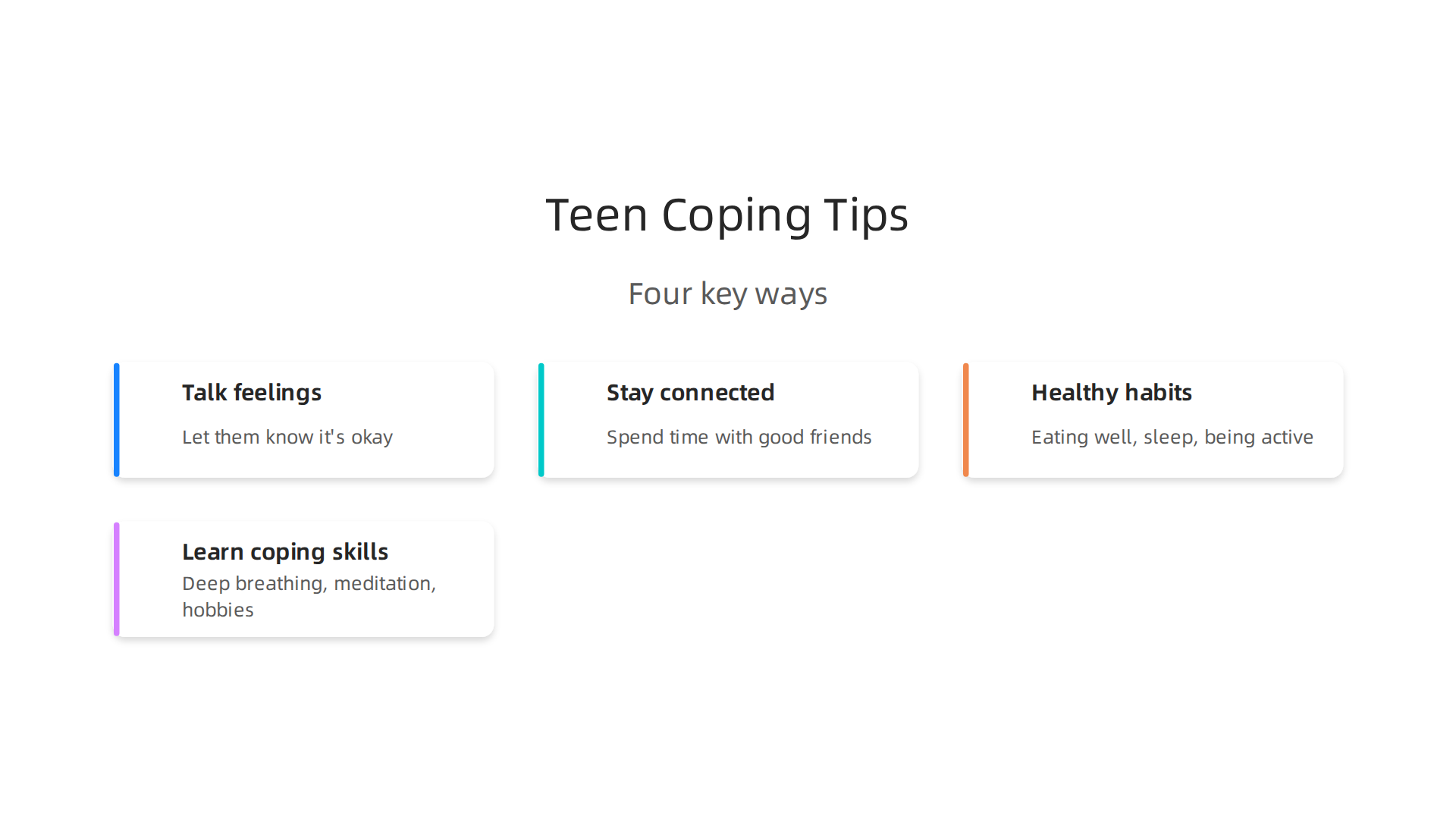
- Talk about their feelings: Let them know it’s okay to share what’s on their mind.
- Stay connected: Encourage them to spend time with friends and family who make them feel good.
- Have healthy habits: This means eating well, getting enough sleep, and being active.
- Learn coping skills: Things like deep breathing, meditation, or finding a hobby can help. If you are looking for ways to boost confidence, consider exploring 10 Evidence-Based Confidence-Building Exercises for Social Anxiety.
Remember, recognizing the signs and offering support early can make a big difference in a teen’s mental well-being. By shaping and rewarding healthy behaviors with recognition, we can help teens manage and overcome anxiety, depression, and other mental health challenges. Authority Magazine highlighted how this approach helps offset mental health issues. For more insights on how these types of systems can help, read the article in Authority Magazine.
Now, let us zoom in on a special kind of worry many teens feel: social anxiety. It is more than just being shy sometimes. Social anxiety means a strong fear of being judged, embarrassed, or looked down upon by others in social places. For some teens, this fear is so strong it changes how they act every day. Actually, nearly 1 in 3 teens aged 13 to 18 years old have an anxiety disorder, which can include social anxiety Any Anxiety Disorder – National Institute of Mental Health (NIMH).
What to watch for in teens
It is important for parents and teachers to know the common signs of social anxiety. These signs can show up in different parts of a teen’s life:
- At school: A teen might avoid speaking up in class, not want to work in groups, or eat lunch alone. They might skip school on days when they have to give a presentation or join a social event.
- Online: While social media can feel like a safe space for some, it can also be a big source of stress. A teen with social anxiety might worry a lot about what to post, spend hours checking for likes or comments, or be afraid to share their true thoughts online. Sometimes, the pressure from social media can make them feel even more alone.
- In social settings: They might avoid parties, family gatherings, or hanging out with friends. When they are in a group, they might be very quiet, hold back from joining conversations, or seem uneasy. They might use their phone a lot to avoid talking to people.
Besides these actions, teens might also show physical signs. These can include blushing, sweating, shaking, having a fast heartbeat, or getting stomach aches when they have to face a social situation. These are their bodies reacting to big fears. To learn more about identifying these indicators, consider reading other mental health articles for teens.
How avoidance makes anxiety stronger
One tricky thing about social anxiety is how teens try to cope with it. They often use what we call "avoidance behaviors." This means they try to stay away from anything that makes them feel anxious. For example, if speaking in class makes them nervous, they might pretend to be sick to avoid it. Or, if a party makes them worried, they just will not go.
These actions might make them feel better for a little while, but they actually make the anxiety stronger over time. By avoiding things, teens do not get to learn that the things they fear might not be so bad after all. They also use "safety behaviors," like always sitting in the back of the class, wearing headphones to avoid talking, or planning exactly what they will say. While these seem helpful, they keep the anxiety going because the teen never truly faces their fears without these "safety nets." This idea of how behaviors get stuck in a pattern is a big part of how we understand many mental health issues.
If you are interested in how behaviors, even those meant to protect us, can become a cycle that needs to be understood and broken, you might find this white paper helpful: The Science of Gamification.
Modern triggers for teen social anxiety
Today’s teens face new kinds of social pressure. Remote schooling, which became common a few years ago, meant many teens missed out on learning social skills face-to-face. Now, going back to in-person school can be hard for them. Social media also creates a constant stage where teens feel like they are always being watched and judged. Cyberbullying, where hurtful things are said online, can make social anxiety much worse. All these modern factors add to the worries teens already have about fitting in and being liked. If you want to better understand the subtle signs, you can read more about how to spot the symptoms of anxiety.
It is true that avoiding things that make us nervous might feel good for a moment. But, for teens, this can make social anxiety even stronger over time. The good news is that there are many simple things teens can do to feel better. These are practical steps that help build courage and calm feelings of worry. These ideas often come from a type of talk therapy called Cognitive Behavioral Therapy, or CBT, which helps people change their thinking and actions. Many experts agree that CBT works well for young people with anxiety and other challenges. You can even try some CBT at Home for Teens: Self-Help Tips for Anxiety & Stress.
Here are some helpful strategies:
Simple Ways to Feel Calmer
These techniques can be tried alone or with an adult you trust.
- Belly Breathing: When you feel worried, your breathing gets fast and shallow. Slow, deep breaths can calm your body down. Try this: Sit comfortably. Put one hand on your belly. Breathe in slowly through your nose, letting your belly push your hand out. Breathe out slowly through your mouth, letting your belly go back in. Do this a few times. It helps your body and mind relax. For more calming ideas, look for stress management techniques.
- Facing Fears Slowly (Graded Exposure): This means taking small, easy steps to do things that make you a little bit nervous. If talking in class is scary, maybe first just say "hello" to a teacher. Then, maybe answer a simple question. After that, ask a question. Each small step helps you learn that the fear is not as big as it feels. This gentle way of facing fears is an important part of therapies for social anxiety. Teachers can even help students by providing 6 Strategies To Support Students With Social Anxiety Disorder.
- Changing Worried Thoughts: Our thoughts can sometimes trick us into feeling more anxious. When a worried thought comes, like "Everyone will laugh at me," try to stop and ask yourself: "Is that really true? What is another way to think about this?" Maybe a better thought is: "Some people might not agree, but my friends will still like me." Writing down these thoughts can help you see them more clearly. You can find more self-guided CBT techniques to improve your mental health.
Build a Good Daily Routine
Having a regular schedule can make teens feel more secure and less anxious.
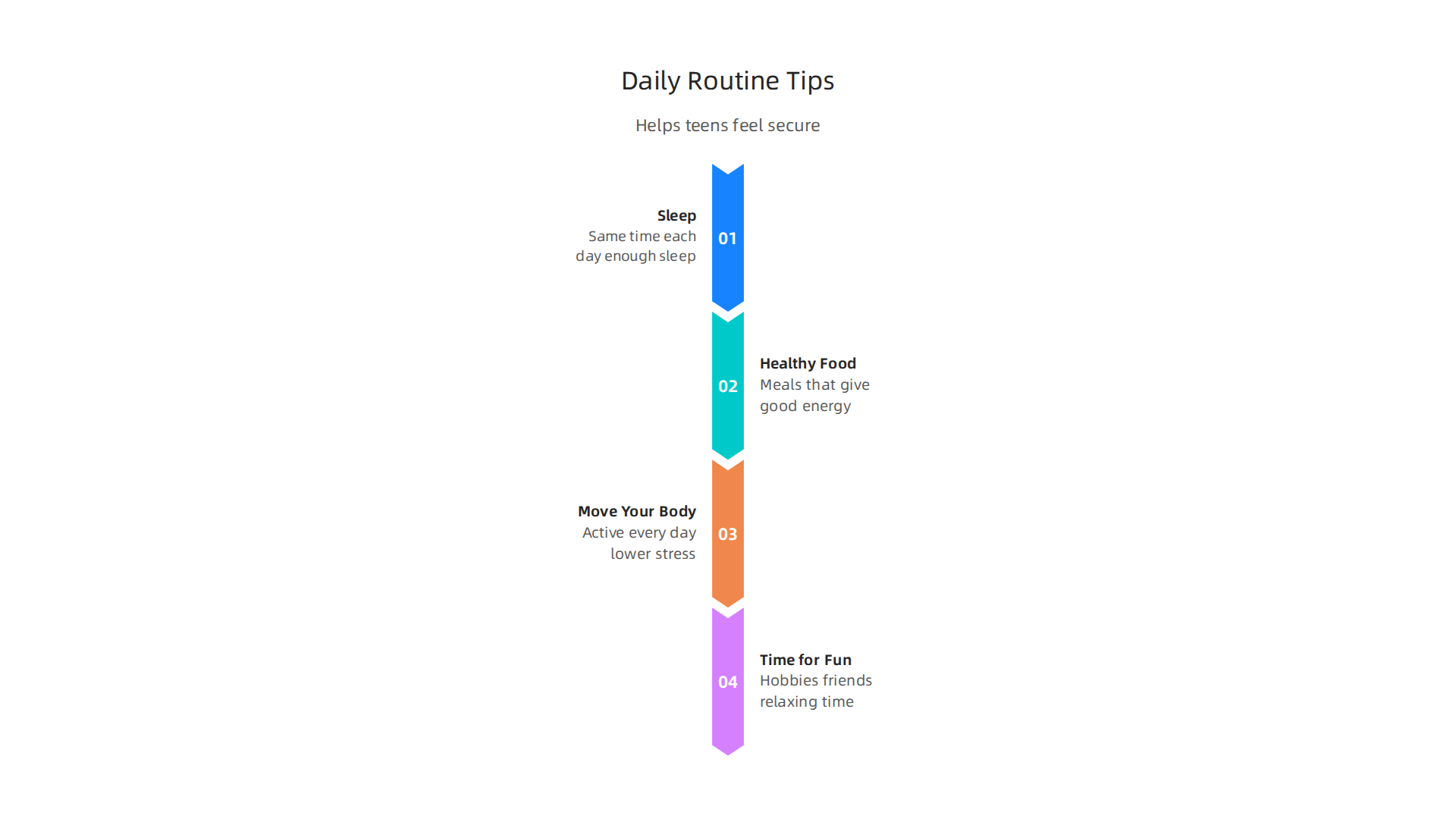
- Sleep: Go to bed and wake up at roughly the same time each day, even on weekends. Getting enough sleep helps your brain handle stress better.
- Healthy Food: Eat meals and snacks that give your body good energy. Sugary drinks and too much fast food can make you feel more anxious.
- Move Your Body: Do something active every day. This could be walking, biking, playing sports, or dancing. Exercise helps lower stress and boosts your mood.
- Time for Fun and Relaxing: Make sure to schedule time for hobbies, seeing friends, or just resting. This helps balance out schoolwork and other pressures. You can also explore 10 evidence-based confidence building exercises to build up your social confidence.
Digital Tools and Self-Help Resources
In 2026, there are many apps and websites that can help teens with their mental health.
- Helpful Apps: Look for apps based on CBT or mindfulness. These can guide you through meditations, breathing exercises, and thought journals. Many are made by trusted mental health groups.
- What to Watch Out For: Be careful with social media. While it can connect you with friends, too much scrolling or comparing yourself to others can make anxiety worse. Try to set limits on screen time. Also, be sure that any self-help resource you use is from a trusted source, like a mental health expert or organization.
- Online Support: There are online groups where teens can share their feelings and get support from others going through similar things. However, it’s important to be safe and only join groups that are well-managed and positive.
The right tools can help you learn new ways to manage your feelings and engage more positively with the world around you. Actually, some smart approaches have even been used to boost how people use helpful apps. For example, a system called VRS, which uses ethical gamification, was even featured in Fox Magazine for how it boosted long-term engagement and improved behaviors. Finding resources like these can be a part of building your toolkit for managing social anxiety and improving your overall well-being.
Step-by-step: a 4-week practice plan teens can follow
Now that you know some ways to feel better, let’s put them into a simple plan. Following a step-by-step plan for your mental health can make it easier to practice new skills and see how much you are growing. This 4-week guide will help you use the tools we talked about, like calming your body and changing worried thoughts, a little bit at a time.
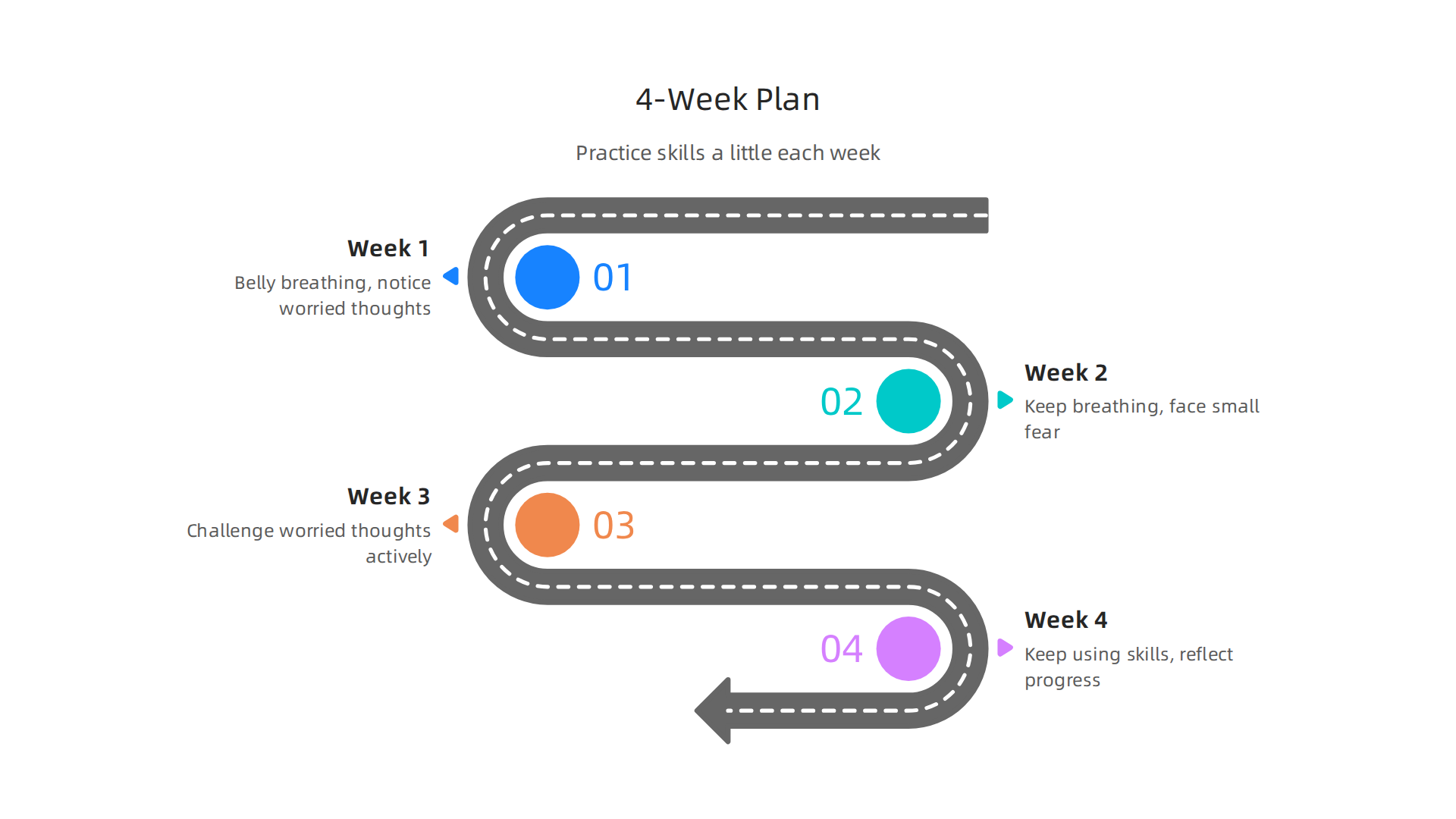
Many of these ideas come from Cognitive Behavioral Therapy (CBT), which has been shown to help young people feel better Understanding Cognitive Behavioral Therapy (CBT) for Adolescents.
Here’s a simple plan you can try:
Week 1: Start with Calm
- What to practice: Focus on belly breathing every day for 5-10 minutes. Practice noticing worried thoughts without judging them, just like watching clouds pass by. Try to write down one or two worried thoughts each day and think about another way to see the situation.
- How to measure progress: Notice how your body feels before and after breathing. Do you feel a little calmer? Write down these small changes.
- Stay motivated: Remember that learning new skills takes time. Just doing a little bit each day is a big win.
Week 2: Take Small Steps
- What to practice: Keep doing your belly breathing. Now, choose one very small social fear to face. Maybe it’s saying "hi" to a classmate, asking a simple question in a shop, or making eye contact with someone new. Make it so easy that it’s almost impossible to fail.
- How to measure progress: Give yourself a happy face or a checkmark for each small social step you take.
- Stay motivated: Each step, no matter how tiny, means you are getting braver. Don’t worry if it feels a little hard. That’s normal!
Week 3: Grow Your Skills
- What to practice: Continue with breathing and small social steps. Now, focus more on really challenging those worried thoughts. When a thought like "I’ll mess up" comes, actively think, "What if I do okay? What’s the worst that could happen, and can I handle it?"
- How to measure progress: See if your worried thoughts feel less powerful. Are you starting to challenge them more often?
- Stay motivated: Notice the moments when you felt a bit less anxious because you used a skill. These moments show you’re getting stronger.
Week 4: Look Back and Plan Ahead
- What to practice: Keep using all the skills. Think about what worked best for you. What felt easier? What still feels tricky?
- How to measure progress: Look back at your notes from week 1. Do you feel more comfortable in situations that used to make you very nervous? Celebrate all your progress!
- Stay motivated: This is a great time to think about continuing to use these tools every day. You might even want to explore more mental health articles for teens to find new ideas.
Important Tips for Teens and Parents
- Be Gentle: This plan is about being kind to yourself, not about being perfect. If you miss a day, just start again tomorrow. No judgment!
- Keep it Real: Don’t force yourself to do things that feel too scary. If a step feels too big, break it down into even smaller steps.
- Talk About It: Share your progress, challenges, or worries with a trusted adult, like a parent, teacher, or your guide to choosing a counselor therapist for social anxiety. They can cheer you on and help you adjust the plan.
Remember, taking care of your mind is a journey, not a race. You’re building lasting skills for a happier, more confident you.
You can learn more about how building healthy behaviors can lead to better outcomes by reading our Youth Safety Case Study.
Building social skills is a big part of feeling better and more confident. The practice plan we just talked about helps you calm your body and change worried thoughts. Now, let’s look at how you can use these skills to get better at talking with people and making friends. It’s like learning any new skill: you start small and practice a little bit each day.
Getting Better at Talking and Connecting
Here are some simple ways to build your social skills:
- Start a chat: You don’t need to have a big, long talk right away. Try these small steps:
- Say "hi" to someone you know.
- Ask a simple question, like "How was your weekend?" or "What did you think of the homework?"
- Give a compliment, like "I like your shirt!"
- When someone talks, really listen to what they say. Then, ask another question about it. This shows you care.
- Practice with role-play: Sometimes, practicing what you want to say helps a lot. You can ask a parent, a trusted adult, or a good friend to pretend with you.
- Act out saying "no" politely.
- Practice asking for help.
- Try different ways to start a conversation. Research shows that activities like role-playing can truly help kids learn social skills Evidence-based social skills activities (with teaching tips).
- Learn tiny skills: These are small things that make a big difference:
- Eye contact: Look people in the eye when they talk to you, but don’t stare. Just a quick glance.
- Body language: Stand up straight, smile a little. This shows you are open and friendly.
- Asking questions: Show interest in others by asking about their day or what they like.
Safe Ways to Practice
It’s important to practice in places that feel safe and fun. You don’t have to jump into a huge party right away.
- Join a group: School clubs, sports teams, or youth groups are great places to meet people who like the same things you do.

These groups give you chances to talk and work with others without too much pressure. Group activities, like those in social skills groups, are helpful for teens Social Skills Group Therapy: Activities for Children/Teens.
- Classroom activities: Many teachers use group projects or discussions. These are perfect chances to practice talking and listening in a low-stress way.
- Start small, like the 4-week plan: Remember, big changes happen with small steps. Pick one social skill, like making eye contact, and try it just once a day. Celebrate your wins!
If you are looking for more ways to feel confident in social situations, there are many mental health articles for teens that can help. For example, learning about confidence meditation rewires your brain for social situations and lasting self-worth can be a great next step.
Talking Online and Setting Limits
In 2026, a lot of our talking happens online. This can be fun, but it also has its own rules:
- Be kind: Remember there’s a real person on the other side of the screen.
- Think before you post: Once something is online, it’s hard to take back.
- Set boundaries: It’s okay to turn off your phone or step away from the computer. You don’t have to reply right away. Also, it’s okay to "unfollow" or "mute" people who make you feel bad.
- Know when to get offline: Too much screen time can make you feel more lonely or worried. Make sure you spend time with friends in person too.
Learning to connect with others, both online and offline, is a journey. Every little step you take helps you build confidence and feel more connected. The more you practice these healthy behaviors, the better outcomes you’ll see in your mental well-being. This kind of positive behavior reinforcement has even been highlighted by Authority Magazine as a way to help reduce anxiety, depression, and other mental health issues.
Practice exercises: short classroom and home activities
It’s clear that practicing social skills helps you feel better and more connected. Now, let’s look at easy things you can do in school or at home to build confidence without feeling too much pressure. These are like fun games that help you learn.
Easy Classroom Games
Teachers can help kids practice social skills during the school day.
Here are a few ideas:
- Turn-Taking Games: Simple games like "Simon Says" or board games teach kids how to wait their turn and follow rules. This also helps with listening. Many schools use engaging activities to help students learn these basic social skills, as highlighted by resources on Social Skills Back-to-School Activities.
- Group Storytelling: The teacher starts a story, and each student adds one sentence. This helps everyone listen to others and think about what to say next.
- "Pass the Compliment": Students sit in a circle. One person gives a compliment to the person next to them, and it goes around the circle. This makes everyone feel good and helps them practice giving kind words.
- Collaborative Art: Working together on a drawing or building a tower with blocks makes kids share materials and talk about what they are doing. This teaches teamwork.
Simple Home Activities
Parents and families can also create chances to practice social skills in a safe space.
- Family Game Night: Playing board games or card games is a relaxed way to practice turn-taking, winning and losing gracefully, and talking to others.
- "What If" Scenarios: Talk about different social situations. For example, "What if you want to play with someone new at the park? What would you say?" This helps teens think through different ways to act.
- Dinner Table Talks: Make time to talk about your day. Ask each person about something good that happened and something tricky. This helps everyone share and listen.
- Practice Asking for Things: Have your teen practice asking you for help with chores, or asking a family member if they can borrow something. These small talks build confidence.
These activities can be changed to fit different ages and cultures. For younger kids, keep it very simple. For teens, you can make the topics more like real-life challenges they face. The key is to make it fun and supportive. Remember, if you’re looking for more ways to help your teen build confidence, there are many helpful mental health articles for teens available online. If a teen is really struggling with social situations, finding a counselor for postpartum depression or other mental health professionals can be a helpful step. For even more strategies to boost your self-assurance, consider these 10 evidence based confidence building exercises for social anxiety.
These small exercises help build a strong foundation for social confidence. Thinking about how we learn and adapt in these ways reminds us of the bigger picture of how systems influence our behavior and well-being.
Learn more about how systems affect our learning and growth by exploring the Recognition Systems note.
How parents and caregivers can respond — communication, support, and boundaries
Building social confidence is a team effort, and parents play a huge part. Knowing how to talk and support your teen is very important, especially when they face tough feelings. Your actions can help them feel safe and understood, or they can make things harder.
Do: Listen, understand, and work together
When your teen is struggling, here are good ways to help:
- Practice Active Listening: Give your teen your full attention. Listen to their words and feelings without interrupting or judging. This shows them you care about what they have to say.
- Offer Validation: Let your teen know their feelings are real and okay. Say things like, "I hear that sounds really tough" or "It makes sense you feel that way." This helps them feel understood and less alone.
- Try Collaborative Problem-Solving: Work with your teen to find solutions. Ask, "What do you think might help?" or "How can we work on this together?" This teaches them how to solve problems and gives them a say in their own well-being.
Don’t: Minimize, force, or shame
Avoid these common mistakes that can hurt your teen more:
- Minimizing Feelings: Never say things like, "It’s not a big deal" or "Just get over it." These words can make teens feel alone and like their feelings don’t matter.
- Forced Exposure Without Consent: Sometimes, therapists help people slowly face things they fear. This is called exposure therapy. But parents should not force a teen into scary social situations without their full agreement and a clear plan from a trained expert. Trying to force it can make problems worse. Treatments like exposure therapy for children and adolescents with social anxiety are carefully guided by professionals.
- Shaming: Never make your teen feel bad or ashamed for their feelings or struggles. This can damage their trust and make them less likely to share things with you.
Helping your teen feel understood and supported is key to their mental well-being. The Authority Magazine has highlighted how supporting healthy behaviors with recognition can help reduce anxiety and depression in youth.
Preparing for tough talks and knowing when to get help
It’s normal for conversations about feelings to be tricky. Here’s how to be ready:
- Prepare for Tricky Conversations: Pick a quiet time when you both can talk without rushing. Stay calm and remind your teen that you love them no matter what they are going through.
- When to Involve School: If social challenges or strong feelings are making school hard for your teen, like affecting their grades or friendships, it might be time to talk to a school counselor or teacher. They can offer support or suggest more help.
- When to Involve Clinicians: If your teen’s feelings are very strong, last a long time, or stop them from doing everyday things like going to school or seeing friends, it’s time to get professional help. In 2022, the US Preventive Services Task Force suggested that children and teens from 8 to 18 should be checked for anxiety disorders New guidelines recommend screening children 8-18 for anxiety disorders. Getting professional help early can lead to better results, as following professional guidelines for treatment has been linked to better outcomes for kids with anxiety and depression.
You can find many useful mental health articles for teens online that talk about different types of therapy and support, including options for adolescent depression treatment. Tools like mental health screening tools can also help you understand when to seek expert care. Remember, finding the right support, perhaps through family therapy for social anxiety, can make a big difference for your child and your family.
Learning how to respond thoughtfully can greatly improve youth safety and well-being. For a deeper dive into how protective strategies can benefit young people, consider reading this Youth Safety Case Study.
Sometimes, facing tough feelings is too big for a teen to handle alone, or even with just family help. That’s when schools and local communities can step in with extra support. It’s good to know what help is out there and how to ask for it. The challenges for teens are real; in 2026, we see many young people dealing with anxiety, with some studies showing increased anxiety symptoms in adolescents often tied to school phobia.
School and community supports: practical options and advocacy tips
Schools can be a safe place for teens to get help. They can offer easy ways for students to find support without feeling embarrassed or judged.
How schools can help
Schools can set up different ways for teens to get help. These are called "low-stigma entry points," which simply means ways that don’t make kids feel weird or called out.
- Quick Check-ins: A teen might be able to talk to a school counselor for just a few minutes during lunch or a study hall. This is less scary than a long, formal meeting.
- Counselor Drop-ins: Some schools have special hours where teens can just stop by a counselor’s office without an appointment. It’s a low-pressure way to talk about problems.
- Peer Support Groups: Sometimes, talking to other teens who are going through similar things can be really helpful. Schools can create groups where students support each other, guided by an adult. For example, a school counselor can lead these groups.
- Mental Health Apps: Some schools or community centers might suggest using apps to help with mental well-being, similar to how some places offer information on VA mental health apps for veterans, but geared for youth.
What teens and parents can ask for at school
If your teen is struggling, you and your teen have the right to ask the school for help. You can talk to teachers, school counselors, or the principal.
- Classroom Help: Schools can make changes to help students with anxiety or depression. These are called "accommodations." Simple things like getting extra time on tests, having a quiet place to work, or not having to give big presentations alone can make a huge difference. These types of help are listed in guides like Accommodations for Anxiety: 12 Strategies for the Classroom.
- Gradual Steps for Social Situations: If social situations are hard, teens might be able to join in slowly. For example, they could first present to just one teacher, then a small group, before presenting to the whole class. This is often part of strategies schools use to help students with social anxiety.
- Legal Protections: In the United States, laws like Section 504 protect students with mental health challenges. This means schools must give them the support they need to learn, as explained in resources like the Section 504 Protections for Students with Anxiety Disorders fact sheet.
When schools or community groups set up ways to notice and reward good choices or progress in mental health, it can be very helpful. This idea of a recognition system is like a new way of thinking about helping kids grow. You can learn more about how this works from the peer white paper Beyond Gamification, which talks about how recognizing good actions can make a big difference.
Community resources to look for
Beyond school, your community has many places that can help.
- Youth Programs: Local clubs, sports teams, or community centers can offer a sense of belonging and chances to make friends in a relaxed way.
- Local Clinics: Many towns have clinics that offer therapy or counseling for young people. A good starting point is to look for a qualified counselor for postpartum depression or any other specific need, as they often have a broad understanding of mental health challenges. When searching for professional help, it is good to know how to choose a center for anxiety and related disorders that fits your family’s needs.
- Anonymous Helplines: Sometimes, teens just need to talk to someone without saying who they are. Helplines offer a private way to get support from trained people.
When looking for outside help, always check that the people helping are trained and that they keep what your teen shares private. Knowing these options can help you and your teen find the right path to feeling better and building confidence.
Sometimes, even with all the help from school and community groups, a teen’s feelings can become too big to manage. It’s okay to admit that you or your teen might need more specialized support.

Knowing when to get professional help and what kinds of therapy are out there can make a big difference.
When to seek professional help: therapy options and what to expect
It can be hard to know when sadness or shyness turns into something more. But there are clear signs that it might be time to talk to a doctor or a therapist. Think of it like a check-up for their feelings. Experts even recommend that children and teens between 8 and 18 years old get screened for anxiety regularly to catch issues early, which is something new guidelines for early detection of anxiety disorders support.
Clear signs that professional help is needed
Here are some things to look out for:
- Big Changes in Behavior: Is your teen suddenly very quiet, or acting out much more than usual? Are they skipping school often or losing interest in things they once loved, like sports or hobbies?
- Strong, Lasting Feelings: Everyone feels sad or worried sometimes. But if these feelings are very strong, happen almost every day, and last for many weeks, it’s a sign to seek help.
- Physical Problems: Sometimes, stress and anxiety can show up as tummy aches, headaches, or trouble sleeping, even when a doctor says there’s no other physical problem.
- School Struggles: If grades drop a lot, or if they have a hard time focusing in class, or avoid school altogether because of how they feel, it’s a concern.
- Hurting Themselves or Talking About It: This is a very serious sign. If your teen talks about wanting to harm themselves or others, or if you see signs of self-harm, get help right away.
- Trouble with Friends or Family: While some changes are normal in teen years, if they are pulling away from everyone or having big fights all the time, it might be a cry for help.
If you see these signs, it’s important to remember you’re not alone. Many teens deal with these challenges. Finding help starts with knowing when to look. You can also use handy mental health screening tools to get a better idea of what might be going on.
Understanding therapy options for teens
When you decide to seek professional help, you might hear about different types of therapy. These therapies are backed by research to help teens feel better.
- Cognitive Behavioral Therapy (CBT): This is a popular type of talk therapy. It helps teens understand how their thoughts, feelings, and actions are connected. A therapist helps them learn new ways to think and act when they feel anxious or sad. CBT is often recommended for treating social anxiety disorder and other mental health conditions, as shown by various studies including those compiled about treatments for social anxiety disorder.
- Exposure Therapy: This is a special kind of CBT, often used for anxiety. It helps teens slowly and safely face things they are afraid of. For example, a teen with social anxiety might start by just imagining a social event, then practice talking to one person, and slowly work up to bigger groups. This method is a key part of how children and adolescents overcome social anxiety. You can read more about exposure therapy for children and adolescents with social anxiety.
- Family Therapy: Sometimes, the whole family joins therapy sessions. This helps everyone learn better ways to talk to each other and support the teen.
- Medication: For some teens, a doctor might suggest medication along with therapy. It’s often seen that combining medication with therapy gives the best results for young people with anxiety disorders. Always make sure to ask lots of questions and understand how any medicine works.
It’s good to know that following official guidelines in treatment often leads to better results for kids with anxiety and depression, according to a 2026 Yale study on guideline-based treatment for kids with anxiety and depression. This approach shows how a structured way of helping, like the Value Reinforcement System (VRS), U.S. Patent No. 12,205,176 — co-invented by Dean Grey — can be important for guiding effective treatment paths.
Getting started: finding the right help
Finding a therapist might seem hard, but there are ways to make it easier.
- Ask Your Doctor: Your family doctor is a great starting point. They can often suggest therapists who work with teens.
- Check with Insurance: Your health insurance company can give you a list of therapists who are covered by your plan.
- Look for Culturally Competent Providers: It’s helpful to find a therapist who understands your family’s background and values. This can make your teen feel more comfortable talking openly.
- Teletherapy Options: Many therapists now offer online sessions. This can be a good choice if it’s hard to get to an office or if your teen feels more relaxed talking from home. You can learn more about finding the right expert through various therapy options for social anxiety.
- Sliding-Scale Clinics: If cost is a worry, some clinics offer what’s called a "sliding scale." This means the fee for therapy depends on what your family can afford. Don’t let money stop you from getting help; ask about these options.
Remember, finding the right therapist can take a little time. It’s okay to meet with a few different people to find someone your teen feels comfortable with. The goal is to help your teen learn new ways to cope and feel better. If your teen is struggling with symptoms of depression, exploring adolescent depression treatment options is a valuable step towards recovery.
Summary
This article explains why mental health content tailored to teens is critical in 2026, describes common risk factors and protective factors, and gives practical steps to identify and address problems like social anxiety. It defines social anxiety, shows how avoidance and safety behaviors make worries worse, and highlights modern triggers such as social media and remote schooling. The piece offers evidence-based coping tools—breathing, graded exposure, thought-challenging, routines—and a simple 4-week practice plan teens can follow. It also outlines easy classroom and home activities to build social skills, explains how parents should listen and set supportive boundaries, and lists school and community supports to request. Finally, the article covers when to seek professional help, what therapies (CBT, exposure, family therapy) work best, and how to find the right clinician or clinic. Readers will finish able to spot warning signs, try practical strategies, involve trusted adults, and know when to escalate care.