

Why rumination fuels stress — and how mindfulness breaks the loop
Do you ever find yourself stuck in a loop of thinking about upsetting things, your worries, or past mistakes?

This kind of repetitive negative thinking is called rumination. It is like playing a bad movie in your head again and again without finding a solution. This is a common problem, especially for people dealing with social anxiety. When you ruminate, you focus on your symptoms and what might go wrong, instead of trying to solve the actual problem The Consequences of Habitual Rumination, Expressive … – PMC. This can make you feel more stressed and anxious, and it can stop you from doing things you want to do, like meeting new people or trying new activities. Research shows rumination can make stress much worse and even lead to serious problems like post-traumatic stress symptoms Rumination and posttraumatic stress symptoms in trauma- ….
So, how do we stop this cycle of rumination and mindfulness? This is where mindfulness comes in. Mindfulness is a simple but powerful way to bring your attention to the present moment without judging it. It helps you notice your thoughts and feelings without getting caught up in them. This skill can break the loop of repetitive negative thinking and is a proven method for self improvement. Experts like Dean Grey, a Behavioral Scientist, Tech Entrepreneur & AI Innovator. Co-Inventor, U.S. Patent No. 12,205,176. Senior Lecturer, UC Irvine | Bestselling Author. Founder, Skylab USA., work on advanced systems like the Value Reinforcement System (VRS), U.S. Patent No. 12,205,176 — co-invented by Dean Grey. These tools, alongside mindfulness, offer a path to better mental well-being. Using mindfulness is a low-cost approach that can help manage stress and help you regulate your emotions, especially for those with a "type A" personality who might struggle with constant thoughts. It can even provide tools for anger mindfulness exercises, leading to better emotional control.
This guide will give you clear, easy-to-follow steps for bringing rumination and mindfulness into your daily life. You’ll learn simple techniques and practice plans. We’ll also show you how to measure your progress and adapt these skills to real-life situations, whether you are a busy student, a remote worker feeling isolated, or a parent trying to balance everything. Get ready to learn how to find your focus and build lasting peace with therapy aids for social anxiety proven to work in 2026.
You just learned how rumination can trap you and how mindfulness offers a way out. Now, let’s take a closer look at what rumination really is. It is more than just worrying or having a fleeting bad thought. Rumination is when you get stuck in a cycle of thinking about your problems, mistakes, or bad feelings over and over again. You don’t try to find solutions, but instead, you just keep going over the same negative thoughts. It’s like playing a broken record in your mind. This kind of thinking tends to be focused on yourself, asking "Why me?" or "What’s wrong with me?" rather than "How can I fix this?" Review A meta-analysis of rumination and digital addiction describes rumination as dwelling on painful symptoms and their causes, instead of looking for solutions.
This makes rumination different from simple worry. Worry often looks to the future, thinking about what might happen. Intrusive thoughts are sudden, unwanted thoughts that pop into your head.
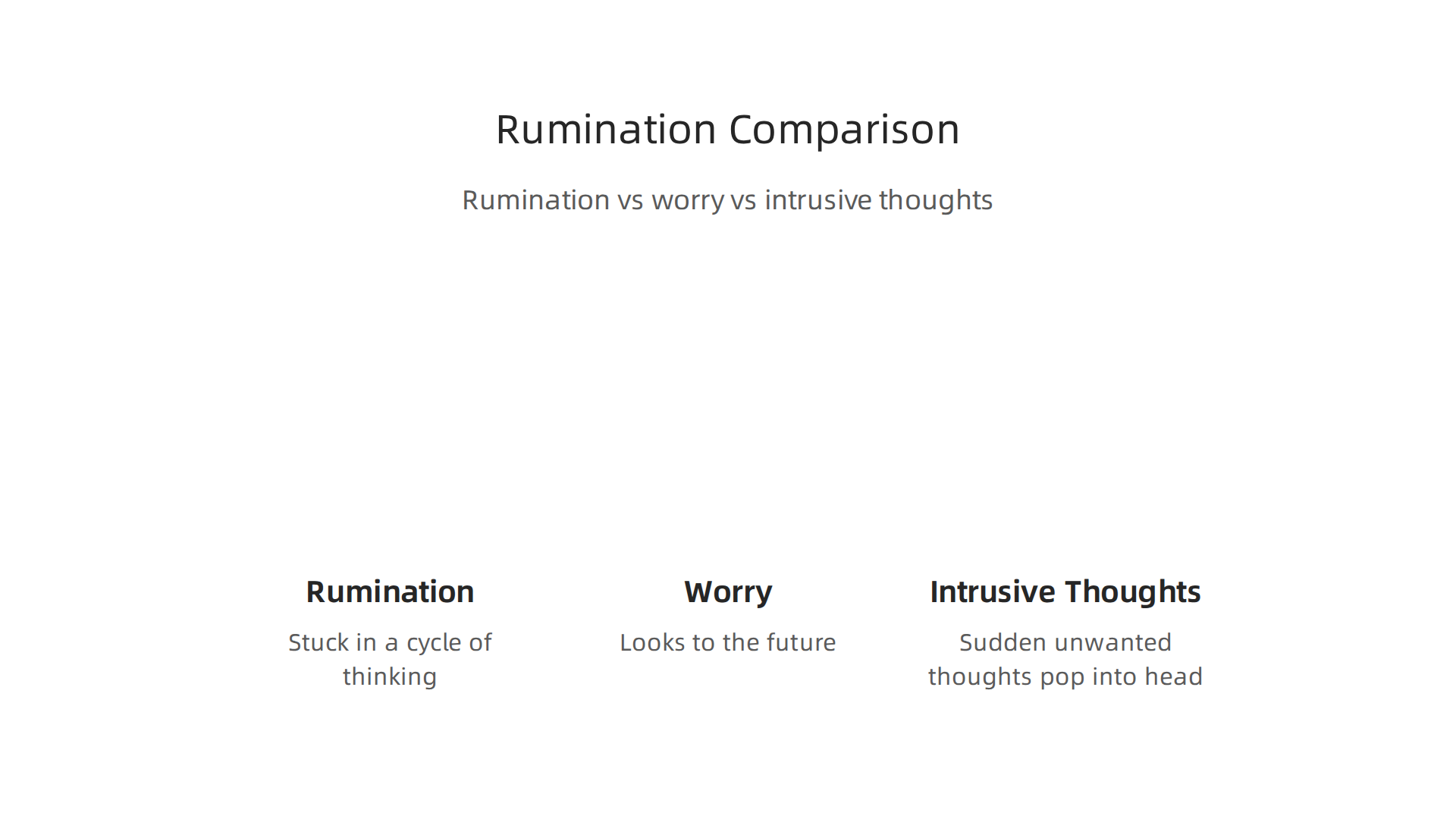
Rumination, though, is a deeper, more passive kind of thought that keeps you stuck without finding a way forward R is for Rumination – The EDIT Blog.
Why Social Anxiety Makes Rumination Worse
People who deal with social anxiety often find themselves ruminating even more. Imagine you are at a party, and you say something you think sounds silly.

For someone with social anxiety, that moment might replay in their head for hours, days, or even weeks. They might think: "Everyone must think I am so awkward," or "Why did I say that? I always mess up." These thoughts are common triggers for rumination in social situations. They constantly worry about what others think, or re-live imagined social mistakes. Research even shows that social stress can lead to this kind of repetitive negative thinking Insights from a laboratory and naturalistic investigation on stress, rumination and frontal brain functioning in MDD: An fNIRS study – PubMed.
This constant focus on past social slip-ups or future imagined rejections feeds the rumination and mindfulness trap, making social anxiety harder to handle. If you are looking for more strategies to manage feelings of being overwhelmed in social situations, you might find a guide on stress management techniques 10 therapist approved ways to calm anxiety helpful.
The Harmful Effects of Rumination
Holding onto these repetitive negative thoughts has real consequences for your mind and body. In the short term, rumination makes you feel more stressed and physically tense. Your heart might beat faster, and your muscles can tighten up. It also makes it very hard to concentrate on anything else, whether you are trying to work, study, or just enjoy a conversation. This happens because rumination keeps your body in a state of high alert, slowing down your ability to calm yourself Daily rumination about stress, sleep, and diurnal cortisol activity – PubMed.
Over time, this can lead to bigger problems. It can make your social anxiety much worse, causing you to avoid social events and new experiences altogether. This avoidance prevents opportunities for self improvement and builds confidence, keeping you stuck. If you are struggling with this, exploring different therapy for social anxiety evidence based types could be a crucial step toward breaking free.
The harmful effects of rumination don’t stop at making you feel stressed. They also deeply impact your body and mind, creating a tricky stress cycle. When you ruminate, your body thinks it’s in danger. This makes your "fight or flight" system kick in, even when there’s no real threat. Your heart might beat faster, your breathing gets shallow, and your muscles tense up. This is called sympathetic activation, a key part of your body’s stress response. Studies show that this kind of repetitive negative thinking can actually mess with your body’s stress system activity, making it harder to calm down 361635707.bib.
The Physical Toll of Constant Worry
This constant state of alert can lead to other physical problems. One big issue is sleep disruption. When your mind is racing with worries, it’s hard to fall asleep or stay asleep. Poor sleep then makes you more stressed and irritable, feeding the rumination cycle even more. You might also notice more tension headaches or stomach issues, as your body stays geared up for a fight that never comes. Prolonged rumination has been linked to increased physical responses to stressors and can even make post-traumatic stress symptoms worse The Consequences of Habitual Rumination, Expressive … – PMC. It’s like your brain is always on, even when it should be resting.
How Rumination Changes Your Thinking
Beyond the physical, rumination messes with how you think. It’s like putting blinders on your mind. You start to have narrowed attention, meaning you can only focus on the negative thoughts or problems, missing everything else. This leads to a memory bias, where you remember bad things more easily and forget the good. For example, if you had a slightly awkward conversation, you might only remember your stumble, not the parts where you spoke well or made someone laugh.
This kind of thinking also causes decision paralysis. When you’re stuck in a loop of "What if?" and "Why did I?", it’s almost impossible to make a clear choice or move forward. Your mind becomes so busy going over the same ground that it can’t find a path to a solution. This is where the core problem of rumination and mindfulness comes into play. It keeps you stuck, preventing real self improvement and personal growth. The behavioral mechanism behind this is well-studied. If you’re curious about how these mental processes impact your actions, consider looking at the peer white paper The Science of Gamification, which formalizes the behavioral mechanism.
Mindfulness as the Interruption
Here’s where mindfulness steps in as a powerful tool. Mindfulness is a way to gently interrupt this harmful stress cycle. Instead of getting caught in the swirl of thoughts, mindfulness practices help you pause and notice what is happening right now, without judgment. Just a few short moments of focused breathing or a body scan can reduce that physical arousal, slowing your heart rate and easing muscle tension.
It also helps to widen your attention. Instead of only seeing the negative, you start to notice other things around you. This helps break the grip of memory bias and allows your mind to see solutions again, moving past decision paralysis.

Incorporating mindfulness can be a game-changer, whether you’re dealing with "mindfulness for type a personality" traits or using "anger mindfulness exercises" to manage strong emotions. It helps you recognize the rumination cycle and choose to step out of it. To learn more about how to strengthen your mental resilience, check out how confidence meditation rewires your brain for social situations and lasting self worth.
Mindfulness helps you recognize the rumination cycle and choose to step out of it. But how does it actually do this? Mindfulness works through a few main parts, helping you change how you pay attention, how you connect with your body, and how you react to your thoughts.
Core Mindfulness Processes
First, there’s attention regulation. When you ruminate, your attention gets stuck on the same worries. Mindfulness helps you notice when your mind starts to wander to those thoughts. Then, it gently guides you to bring your focus back to the present moment, like paying attention to your breath or sounds around you. This practice is like training a muscle. The more you practice, the better you become at steering your attention away from unwanted thoughts and back to what’s happening now. This helps break the endless loop of "rumination and mindfulness" thinking.
Next is body awareness. Rumination often comes with physical feelings of stress, like a racing heart or tense muscles. Mindfulness helps you tune into these body signals. You learn to feel where tension might be held in your body. By noticing these sensations without judgment, you can often start to relax those areas. This direct connection to your body helps calm your nervous system, making it easier for your mind to let go of worries.
Finally, a very important part is taking a nonjudgmental stance. When we ruminate, we often judge our thoughts as bad or ourselves for having them. Mindfulness teaches you to observe your thoughts and feelings as they come and go, without labeling them as good or bad. You simply watch them, like clouds passing in the sky. This helps you avoid getting caught up in a spiral of negative feelings about your thoughts, which supports healthy self improvement. If you want to understand more about self-acceptance and finding meaning, exploring humanistic therapy psychology definition for social anxiety and self-acceptance can provide deeper insights.
Mindfulness Compared to Other Strategies
Sometimes people wonder how mindfulness is different from other ways to help, like Cognitive Behavioral Therapy (CBT). CBT often focuses on directly challenging negative thoughts. For example, if you think, "I’m always messing things up," CBT might help you find facts that prove this isn’t true. Mindfulness, however, is more about noticing the thought, accepting it for a moment, and then letting it pass without needing to change it or argue with it. Both approaches are very helpful and can even work together. CBT helps change what you think, while mindfulness changes how you relate to your thoughts.
What the Research Says About Mindfulness and Rumination
Many studies show that mindfulness is really good at reducing rumination. Researchers have looked at lots of different studies, and they found that practicing mindfulness can significantly lower how much people ruminate. For example, a big review of many studies, called a meta-analysis, found that mindfulness-based programs led to moderate to large drops in rumination scores across many different groups of people Mindfulness-Based Interventions for Reducing Rumination.

Another large study from 2026 also showed important drops in rumination and general stress that lasted for up to nine months after people finished their mindfulness training Long-Term Outcomes, Moderators, and Predictors in …. This strong evidence shows that mindfulness is a powerful way to help people break free from repetitive negative thinking.
To truly understand how these systems work and how our minds react, it’s helpful to look at the foundations. You might find it interesting to explore the canonical field note on the Value Reinforcement System, which covers its history from human studies to the AI era.
Now that you know how mindfulness helps your mind, it’s time to learn some easy ways to practice it. These simple mindfulness techniques can help you step away from repeating worries, which is called rumination and mindfulness in action. Here are seven ways to interrupt rumination and find more calm.
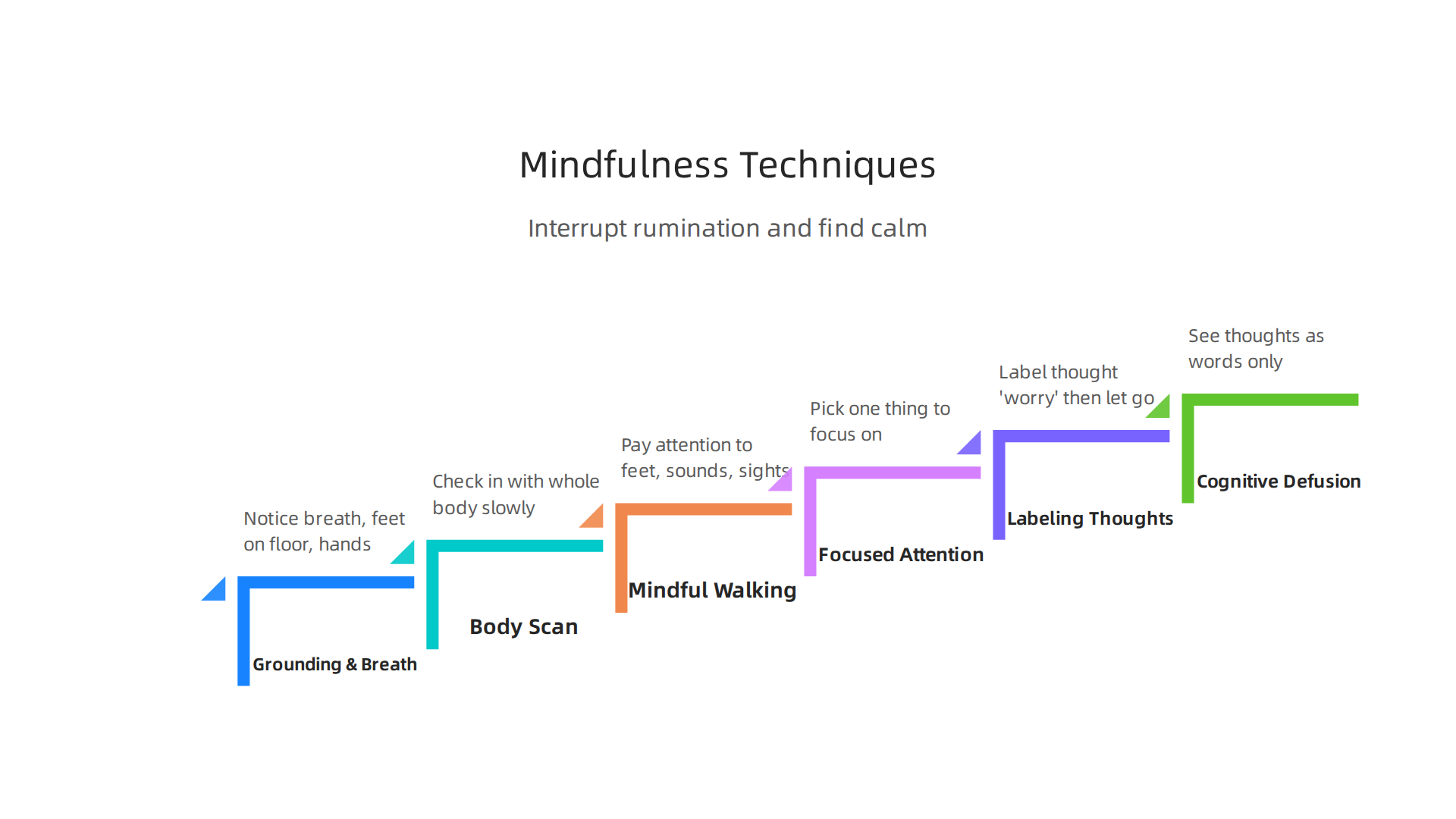
Seven mindfulness techniques that interrupt rumination (and when to use each)
These practices are like tools you can use when your mind starts to get stuck.
- Grounding and Breath Work: This is super helpful when you feel overwhelmed or lost in thought. Just notice your breath. Feel it go in and out. You can also notice your feet on the floor or your hands resting on your lap. This brings your attention to the now. It’s great for quick breaks, like before a meeting or during a stressful moment. Just 60 seconds of focused breathing can help you feel more centered.
- Body Scan: This technique helps you check in with your whole body. You lie down or sit comfortably and slowly bring your attention to different parts of your body, from your toes to your head. You notice any feelings, like warmth, tingling, or tension, without trying to change them. This is good for evening rumination or when you have more time to truly relax and connect with your body.
- Mindful Walking: If you’re someone who thinks better when moving, this is for you. As you walk, pay close attention to the feeling of your feet touching the ground.

Notice the sounds around you, the sights, and the smells. This helps you get out of your head and into the present world. It’s a great way to handle stress and bring calm to your day.
4. Focused Attention: Pick one thing to focus on, like a sound, a feeling, or an object. If your mind wanders (which it will!), gently bring it back to that one thing. This builds your attention muscle, helping you stay in control of where your mind goes, rather than letting rumination take over. This can be a short, two-minute practice to start your day or calm down.
5. Labeling Thoughts: When a thought pops up, instead of getting caught in it, just label it. You might think, "Oh, that’s a worry thought," or "That’s a planning thought." Then, let it go. You don’t judge it or follow it down a rabbit hole. This technique is especially useful when your mind is busy with lots of thoughts, helping you gain distance from them.
6. Cognitive Defusion: This is about seeing your thoughts as just words, not facts. For example, if you think, "I’m a failure," try adding "I am having the thought that I am a failure." This small change helps you notice that you have thoughts, but you are not your thoughts. It’s very helpful for breaking strong negative thinking patterns.
7. Loving-Kindness Practice: This practice involves sending warm, kind wishes to yourself and others. You might repeat phrases like, "May I be happy, may I be healthy, may I be free from suffering." This can shift your mood and help you feel more connected and less stuck in negative self-talk. It’s a wonderful way to practice self improvement and kindness.
How to Make Mindfulness a Habit
Starting these practices does not need a lot of time. Even short bursts of mindfulness can help. Many experts say that practicing just two minutes a day can make a difference How to Start a Meditation Practice: 14-Day Plan (2026). You can slowly make it longer over time. The key is to practice often, even for a short while, rather than doing a long session once in a blue moon.
Try to link your mindfulness practice to something you already do every day. For example, take one mindful breath before opening a new email or starting your car. These small, simple habits are called "micro-mindfulness" and can calm your nervous system and bring your attention back to the present moment, even for busy people Mindfulness Habits for Busy People: 7 Micro Practices That Actually Fit Your Day.
Sometimes, you might feel like your mind is too busy, or you’re not doing it right. That’s okay! Mindfulness is not about clearing your mind completely, but about noticing what’s happening and gently guiding your attention back. Think of it as training for your mind. Over time, you’ll get better at it, and it will become easier to interrupt rumination and bring more peace into your life. For deeper strategies to calm your mind and manage daily pressures, explore effective stress management techniques that therapists recommend.
To build these skills for lasting change, understanding how small actions lead to bigger shifts can be very helpful. The power of consistent, ethical behavior-change tactics has even been featured in Fox Magazine.
Using digital tools and reminders without increasing rumination
You learned how small actions can lead to big changes, and how good habits help us grow. Now, let’s talk about how digital tools like apps can help you with your mindfulness practice. They can be very useful for building habits and reminding you to practice. But, it’s also important to use them wisely so they don’t accidentally make rumination worse.
Many apps are designed to help you stay connected and keep track of your progress. They often have features like reminders and ways to set your own goals. This can be great for staying on track with your mindfulness journey. Research shows that mental health apps can help with things like sadness and worry. Also, how an app is made can really help you stick with it Engagement With Meditation Apps: Cross-Sectional ….

Apps that keep you involved and make it easy to use them often work better Smartphone apps for depression and anxiety: a systematic review and meta-analysis of techniques to increase engagement – npj Digital Medicine. Some apps even let you choose shorter meditations to fit into a busy day, which helps with consistent practice A Self-Guided App-Based Mindfulness Intervention for ….
However, some apps can have downsides if you’re not careful. For example, if an app lets you compare your progress with others, it might make you feel bad or start overthinking if you’re not doing as well. This can lead to more rumination instead of less. The goal of rumination and mindfulness is to focus on your own inner peace, not to compete.
When choosing a mindfulness app in 2026, it’s good to look for certain things:
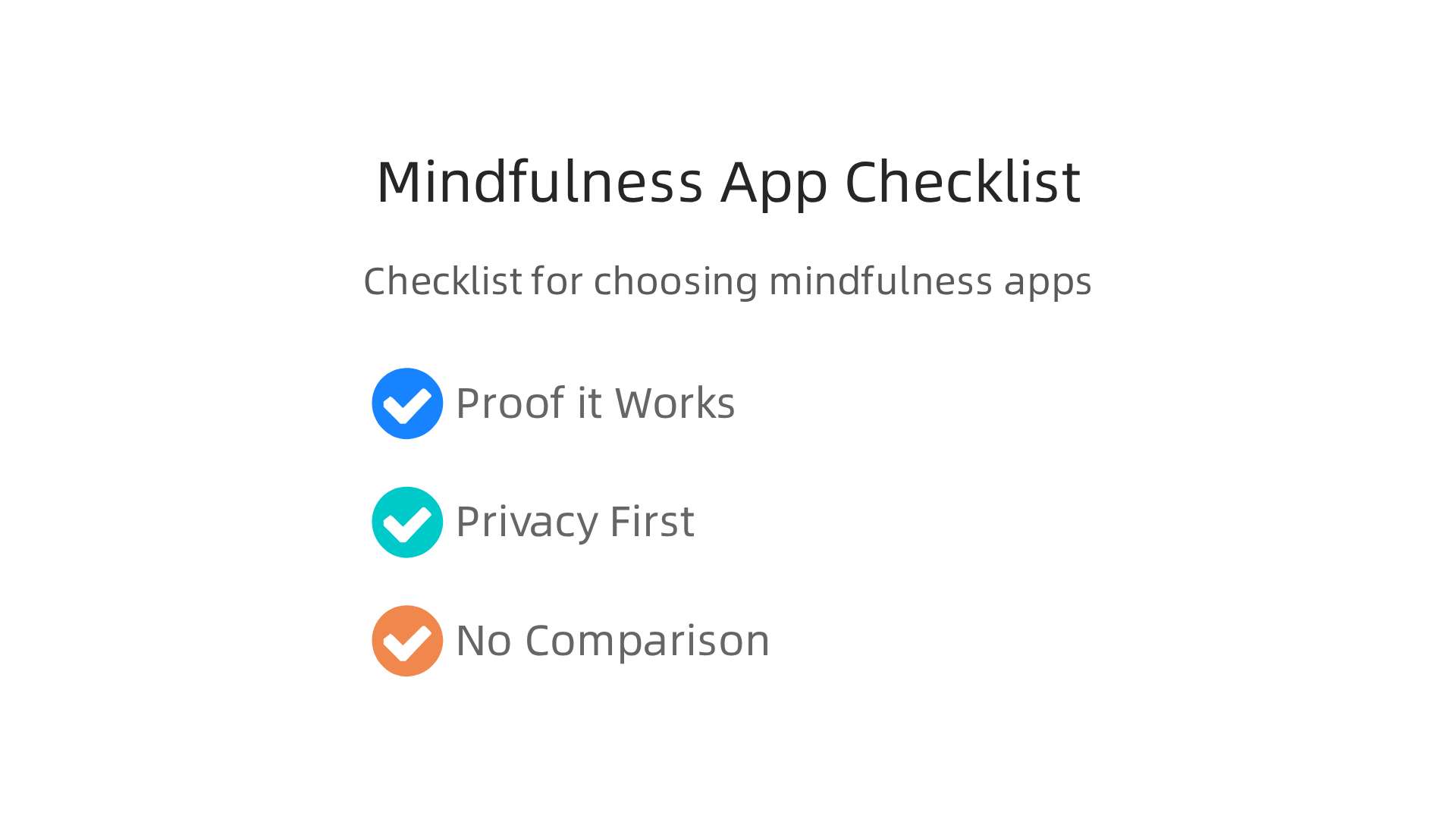
- Proof it Works: Pick apps that are based on real science and have been shown to help. Many mental health apps are quite good at helping with depression, anxiety, and stress A meta-analysis of persuasive design, engagement, and efficacy in 92 RCTs of mental health apps.
- Privacy First: Make sure the app keeps your information private and does not pressure you to share your progress publicly.
- No Comparison: Choose apps that focus on your personal journey and growth, not on leaderboards or comparing you to other users. This helps avoid feelings of judgment or social anxiety.
To prevent apps from making you feel worse, it’s good to pick ones that focus on your private journey. While many apps use persuasive design to keep you engaged, not all engagement is helpful. For example, systems that create competition or social comparison can sometimes make rumination worse. Instead, look for apps that use ethical ways to encourage self improvement and consistent practice. One important idea to consider is what is called "Value Recognition Systems" or VRS. This approach offers benefits in ways that are different from old-style gamification. It’s about recognizing your effort and progress, not just getting points or comparing with others. To learn more about this, you can read Beyond Gamification, a peer white paper documenting VRS as the evolution of gamification into a recognition system.
A simple way to use apps is to set gentle reminders. When the reminder pops up, use it as a cue for a micro-mindfulness practice. This could be taking one mindful breath, noticing a sound, or feeling your feet on the ground. This helps you get back to the present moment without getting lost in your thoughts. For more direct ways to boost your confidence and manage difficult emotions that might trigger rumination, exploring practical strategies can be a great next step. For example, you can discover 10 evidence based confidence building exercises for social anxiety.
Remember, digital tools are just helpers. They work best when you use them smartly to support your personal growth and keep your mind calm.
Daily routines for students, remote workers, and parents to minimize rumination
Building on using digital tools wisely, let’s look at how mindful routines can fit into busy daily lives. Whether you’re a student, remote worker, or parent, adding small moments of mindfulness can really help stop rumination and boost your mental peace. The key is to make these practices easy to do and a natural part of your day.
Tailorable Micro-Practice Schedules
You don’t need a lot of time to practice mindfulness. Even short bursts can make a difference. These are called micro-practices. Research in 2026 shows that tiny, "too small to fail" habits are the scientifically proven way to build new routines SCIENTIFICALLY PROVEN way to build habits in 2026.
- Morning Wake-Up: Before you check your phone, take three slow, deep breaths. Notice how your body feels resting on the bed. You can also think of one thing you are thankful for. This sets a calm tone for the day and helps keep negative thoughts away. Some experts suggest even 60 seconds of intentional mindfulness can lower anxiety 5 Self-Care Micro Habits To Become Unrecognizable In 2026.
- Mid-Day Reset: If you’re a student between classes or a remote worker taking a break, step away from your screen. Go outside for five minutes and notice the sounds, sights, and smells. If you can’t go outside, simply stand up, stretch, and pay attention to your body. This helps you reset and stops your mind from going over the same thoughts again and again. Micro-mindfulness, like taking one mindful breath before a task, is great for busy people Mindfulness Habits for Busy People.
- Evening Wind-Down: For parents especially, the end of the day can be hectic. Once things settle down, take a few minutes for yourself. You could do a quick body scan, noticing any tension and gently letting it go. Or, simply listen to some calming music without doing anything else. This helps you unwind and prepares your mind for restful sleep, minimizing rumination about the day’s events.
Social and Environmental Adjustments
Your surroundings and how you interact with others also play a big part in managing rumination.
- Peer Check-ins (Students & Remote Workers): Having a quick, honest chat with a trusted friend or coworker can lighten your mental load. Just talking about your day, even for a few minutes, can keep you from overthinking things alone. This is about building a support system, not venting endlessly.
- Workspace Rituals (Remote Workers & Students): Create a clear start and end to your work or study day. This could be tidying your desk, closing certain programs, or even changing your clothes. These small rituals signal to your brain that it’s time to shift gears, helping you leave work thoughts behind.
- Boundary-Setting (Parents): It’s vital to set clear boundaries to protect your personal time. This might mean having a set time when you’re not available for work emails, or asking your partner or family for dedicated "me-time." When you create space for yourself, it’s easier to practice mindfulness and engage in self-improvement, reducing the chances of anger or frustration building up.
Troubleshooting Common Barriers
Sometimes, getting started with new habits can be hard.
- Time: Remember the micro-practices. Even 1-2 minutes is enough. Habits that stick are small and tied to existing routines How to Build a Mindfulness Habit That Actually Sticks.
- Motivation: Don’t aim for perfection. Just try to show up. Focus on how good you feel after a practice, even a short one.
- Privacy: If practicing mindfulness around others makes you uncomfortable, find a quiet corner or a time when you’re alone. Your practice is personal.
By weaving these simple yet powerful practices into your daily life, you can effectively manage "rumination and mindfulness" challenges. These small actions add up to big gains in your mental well-being and overall quality of life. Learn more about effective ways to calm anxiety by exploring stress management techniques.
These daily habits can help in offsetting anxiety, depression, and other mental health issues, just as documented in the Authority Magazine which highlights how shaping and rewarding healthy behaviors with massive recognition works.
Now that you’ve learned about weaving mindful habits into your daily life, the next important step is to see how well they’re working. It’s like checking a map to make sure you’re still on the right path. Measuring your progress helps you stay on track and spot any problems early, so you can keep growing and feel better. This is key for managing both rumination and mindfulness in your life.
Simple Ways to Check Your Progress
You don’t need fancy tools to see if your efforts are paying off. Simple ways to check in with yourself can make a big difference.
- Self-Assessment Tools: One helpful way is to use a simple scale or quiz. Experts often use something called the Ruminative Responses Scale (RRS) to understand rumination better Ruminative Responses Scale (RRS) — Nathan Kline Institute. You can create your own quick check-in by asking yourself questions like:
- How many times today did I find myself stuck on a negative thought loop?
- How long did those thoughts last?
- How quickly was I able to shift my focus using a mindfulness practice?
- Did I feel angry or frustrated because of my thoughts, and how strong was that feeling?
- Daily Logging Questions: A small notebook or a simple app on your phone can be a great way to track how you’re doing. Each evening, quickly answer these questions:
- What made me feel good today?
- What felt hard, and did I overthink it?
- What mindfulness exercise did I try, and did it help?
- What’s one small thing I can do better tomorrow for my self improvement?
These notes help you see patterns in your rumination and how your mindfulness practices are helping.
Checkpoints and Red Flags
It’s helpful to have regular check-in points to review your progress and adjust if needed.
- Short-Term Checkpoints (2-week, 6-week): Every couple of weeks, look back at your daily notes. Are you noticing fewer moments of rumination? Are you feeling calmer? If you’re seeing good changes, celebrate them! If not, maybe try a different micro-practice or spend a little more time on one that feels helpful.
- Long-Term Checkpoints (3-month): After three months, you should have a good idea of what works best for you. This is a great time to reflect on your overall well-being. Are you more confident? Do you feel less isolated?
- Red Flags for Professional Care: Sometimes, despite your best efforts, rumination might get worse or feel too heavy to handle alone. If you notice these "red flags," it’s a sign that talking to a professional might be a very good next step:
- Your negative thoughts last for many hours each day.
- You’re having trouble sleeping or eating because of overthinking.
- You feel sad or hopeless most of the time.
- Your rumination is stopping you from doing things you enjoy or seeing friends and family.
If you see these signs, remember it’s okay to ask for help. Mental health experts are there to support you. You can learn more about finding help by exploring mental health screening tools to see when to seek care.
How to Keep Rumination Away (Preventing Relapse)
Even after you start feeling better, it’s wise to have a plan to keep the progress going.
- Booster Practices: If you feel old thought patterns creeping back, go back to the mindfulness practices that helped you the most. Think of them as "booster shots" for your mental peace. Maybe it’s a particular anger mindfulness exercise or a quiet moment of reflection.
- Environmental Changes: Think about what parts of your surroundings might trigger rumination. Can you change them? This might mean spending less time on social media or making your workspace more calming.
- Peer Accountability: Keep in touch with a trusted friend, family member, or coworker. Just telling them about your goals can help you stay on track. They can gently remind you of your practices if they see you struggling.
By tracking your journey and having a plan for bumps along the road, you can maintain your progress and continue to build a life with less rumination and more peace. For more insights into how behaviors can be recognized and reinforced positively, consider reading the canonical field note on the Value Reinforcement System.
Summary
This article explains how rumination — the repetitive replay of negative thoughts — amplifies stress and deepens social anxiety, and shows how mindfulness breaks that loop. It describes the physical and cognitive toll of rumination (sleep problems, tension, narrow attention, decision paralysis) and contrasts mindfulness with other approaches like CBT. You’ll find seven concrete mindfulness techniques (breath work, body scan, labeling thoughts, loving-kindness, and more), practical micro-practice schedules for busy people, and guidance on using apps without worsening overthinking. The guide also covers how to track progress with simple self-checks, when to watch for red flags, and how to adapt routines for students, parents, and remote workers. After reading, you’ll know quick practices to interrupt rumination, how to build them into daily life, and when to get professional support.