Introduction: Why This May Matters More Than Ever
May is here again. But this year, May Mental Health Awareness Month feels different. It feels more urgent.
The numbers are hard to ignore. According to the Mental Health By the Numbers report from the National Alliance on Mental Illness, 16.5% of U.S. youth aged 6 to 17 experienced a mental health disorder.
That is more than 1 in 7 young people. Among high school students, 40% reported persistent feelings of sadness or hopelessness in 2023. Those are not just statistics. Those are real kids. Real families. Real pain.
Social anxiety plays a huge role in this crisis. Many teens and young adults feel completely overwhelmed in everyday social situations. They worry about being judged. They avoid conversations with classmates. They scroll through social media but feel more isolated than ever.

The pressure to look perfect online makes everything worse. Confidence drops. Loneliness grows. And many suffer in silence because stigma is still alive and well.
That is why May Mental Health Awareness Month matters so much right now. It gives all of us a reason to talk openly about these struggles. It reminds us that help is real. That you are not broken. That taking the first step is possible and powerful.
This article is here to walk with you. We will look at the real facts about youth social anxiety. We will share practical strategies that actually make a difference. And we will point you to trusted resources like mental health screening tools you can use right now.
Whether you are a teen who freezes up before speaking in class, a young adult skipping events because the fear is too much, or a parent watching your child slowly pull away, this guide is for you. Let us use this month to break the silence and find real solutions together.
Understanding Youth Mental Health in 2026
To break the silence effectively, we first need to understand what youth mental health looks like in 2026. The picture is sobering.
Anxiety disorders remain the most common mental health condition among teenagers. According to the Social Anxiety Disorder – National Institute of Mental Health (NIMH), an estimated 9.1% of adolescents have social anxiety disorder, and the numbers are even higher for girls.
Many young people live with a constant fear of being judged, embarrassed, or rejected in everyday situations. This is not just shyness. It is a real condition that can shut down a teen’s ability to participate in class, make friends, or even leave the house.
Three major forces are driving this crisis.
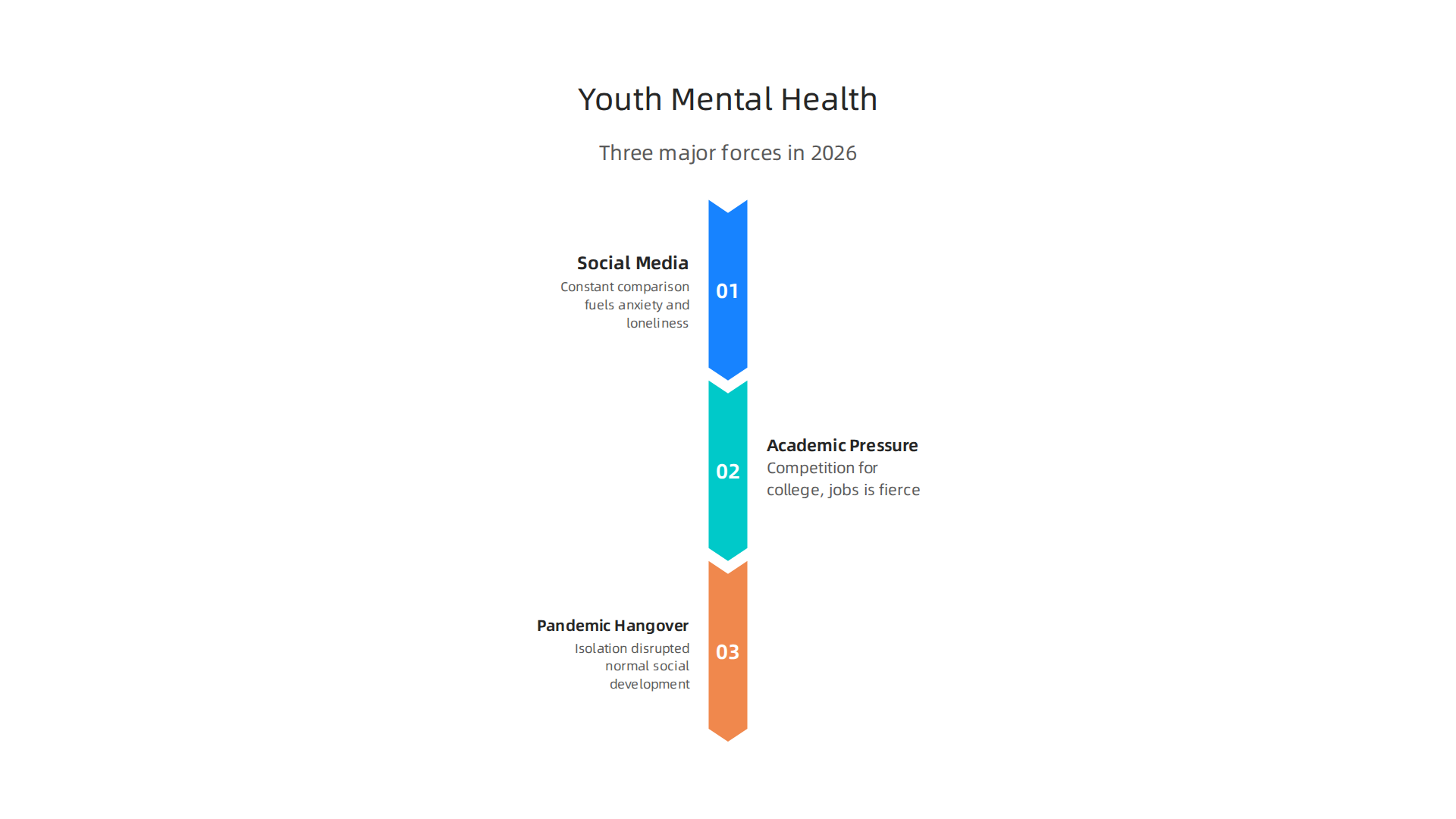
First, social media. Teens spend hours comparing their lives to carefully edited posts. They feel like everyone else is having fun while they are left out. This constant comparison fuels anxiety and loneliness. Second, academic pressure. In 2026, the competition for college admissions and jobs is fiercer than ever. Many young people feel they cannot afford to make a single mistake. This pressure turns into paralyzing fear. Third, the post-pandemic hangover is real. The years of isolation during COVID-19 disrupted normal social development for an entire generation. Many young people lost practice with face-to-face conversation and never fully regained it.
The pandemic taught us tough life lessons about how fragile social connections can be. We learned that isolation hurts more than we realized. Now, as we move forward, we must teach young people how to reconnect and rebuild their confidence.
Understanding yourself better is a key step toward what is self actualization, but social anxiety makes that journey harder. When you are constantly worried about how others see you, it is tough to figure out who you really are and what you want.
This is exactly why May Mental Health Awareness Month matters so much. It gives everyone a chance to talk openly about these struggles without shame. It normalizes seeking help. It reminds young people and their families that they are not alone. The more we talk, the easier it becomes for someone to take that first step toward support. If you or a teen in your life is struggling, consider reaching out to a professional. Psychology counselling for social anxiety offers proven techniques to help break the cycle of fear and avoidance.
When we understand the scope of this crisis, we can see why awareness is not just a nice idea. It is a lifeline.
The Power of May Mental Health Awareness Month
That is exactly why May Mental Health Awareness Month exists. It was created in 1949 by Mental Health America to shine a light on mental health struggles and make it okay to talk about them. For over 75 years, this observance has grown into a national movement that educates people, reduces shame, and encourages early help.
The purpose is simple but powerful. Awareness breaks down the walls of silence. When we talk openly, we show others they are not alone. The importance of Mental Health Awareness Month is clear: it helps people recognize symptoms, learn about treatment options, and feel safe reaching out for support.

In 2026, the theme of this month is "Turn Awareness into Action." That means moving beyond just knowing about mental health to actually doing something about it. National groups like NAMI run campaigns such as #MyMentalHealth, and Mental Health America offers free online screening tools, including a test just for youth.

Schools across the country hold special lessons and events during May to help students understand their emotions and find help early.
Awareness months work. Research shows that when communities focus on mental health education, stigma drops and more people seek therapy or counseling. For young people, this is critical. A teen who learns about anxiety during May might finally recognize their own struggle and ask for help. A parent who hears the statistics might start a conversation at the dinner table.
Those tough life lessons from the pandemic taught us how much we need connection. May Mental Health Awareness Month turns those lessons into real change. It reminds families to check in with each other, schools to support students, and communities to invest in care.
One practical step any family can take is to try simple screening tools to see how everyone is doing. Using mental health screening tools can help you spot early warning signs and decide if it is time to talk to a professional.
Some families find creative ways to build healthy habits during this month. For example, a value recognition system rewards positive behaviors like talking about feelings or helping a sibling. Authority Magazine highlighted how this approach offsets anxiety and depression by making healthy choices feel good and visible.
When we turn awareness into action, we give young people the tools they need to not just survive but thrive. That is what understanding what is self actualization is all about. It is about growing into the person you want to be, without fear holding you back. And it all starts with a month that gives everyone permission to speak up.
Recognizing Social Anxiety in Teens and Young Adults
Picture a teenage girl who loves soccer but skips every practice because she is terrified of what her teammates think. Or a college student who memorizes the entire lecture but stays silent when the professor calls on him. These are not just shy kids. They might be showing signs of social anxiety.
During May Mental Health Awareness Month, one important goal is learning to recognize when normal nervousness becomes something more serious. Social anxiety is not just being quiet or shy. It is a real mental health condition that affects millions of young people. Let us look at the signs so you can tell the difference.
Common signs of social anxiety
Social anxiety shows up in three main ways:
- Physical symptoms: Blushing, sweating, trembling, a racing heart, or feeling like you cannot breathe in social situations.
- Avoidance behaviors: Skipping parties, not raising your hand in class, or making excuses to stay home from school events.
- Persistent fear of judgment: Worrying for days before a presentation or feeling convinced that everyone is watching and criticizing you.
According to the Mayo Clinic, social anxiety involves intense fear of being judged negatively, leading to avoidance of social situations. These feelings are not just occasional nerves. They stick around for months and make daily life very hard. The social anxiety disorder diagnosis criteria from Mayo Clinic includes symptoms like excessive worry, physical distress, and avoidance that gets in the way of normal routines.
How is it different from shyness?
Shyness is a personality trait. Many shy people still go to school, make friends, and do fine. Social anxiety is much more intense and lasting. It stops teens from doing things they want to do. A shy teen might feel awkward at a party but still go. A teen with social anxiety will stay home, stomach in knots, worrying about what might happen.
The difference comes down to impairment. Social anxiety messes with academics, friendships, and family life. It can lead to high school dropouts, loneliness, and depression. That is why child and adolescent psychiatry and mental health professionals take it seriously. Early recognition during awareness months like May can change a young person’s path.
The real impact on life
Untreated social anxiety does not just stay in the teenage years. It follows young people into adulthood. Common effects include:
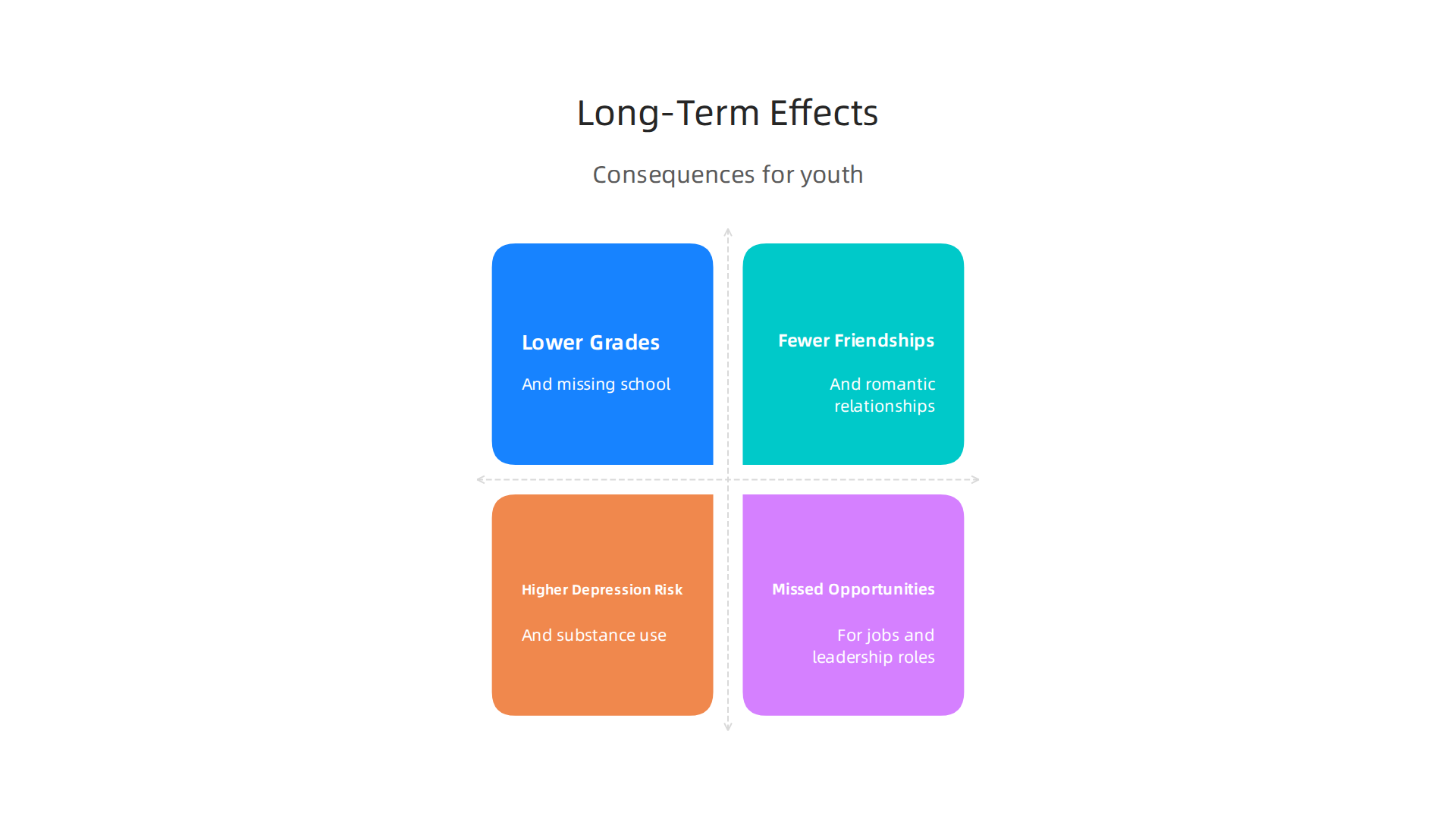
- Lower grades and missing school
- Fewer close friendships and romantic relationships
- Higher risk of depression and substance use
- Missed opportunities for jobs and leadership roles
One of the biggest life lessons from this condition is that it rarely gets better on its own. The longer it goes unnoticed, the harder it is to treat. That is why recognizing the signs now is so important.
For families who notice these patterns, learning what triggers the anxiety can help everyone respond with patience instead of frustration. You can read more about family therapy for social anxiety to understand how parents can support their teen.
When symptoms are caught early, teens can get back on track to becoming who they want to be. That is the whole point of understanding what is self actualization. It is about growing into your best self without fear holding you back. And the first step is seeing the signs clearly.
If you suspect a young person in your life is struggling, pay attention. Look at the bigger picture. Some programs have shown real success in helping teens build resilience. One approach to keep in mind is the Youth Safety Case Study, which documents how value reinforcement helps protect young people from manipulation and builds healthier, more confident individuals.
Practical Self-Help Strategies for Managing Social Anxiety
Now that you know the signs, let’s talk about what you can actually do. During May Mental Health Awareness Month, one of the best things you can offer a teen is practical help they can use right now. These strategies are backed by research and easy to start at home.
Use Cognitive-Behavioral Techniques
The most effective approach for social anxiety is cognitive behavioral therapy (CBT). It works by changing the way you think and act. You do not need a therapist to start using the core ideas.
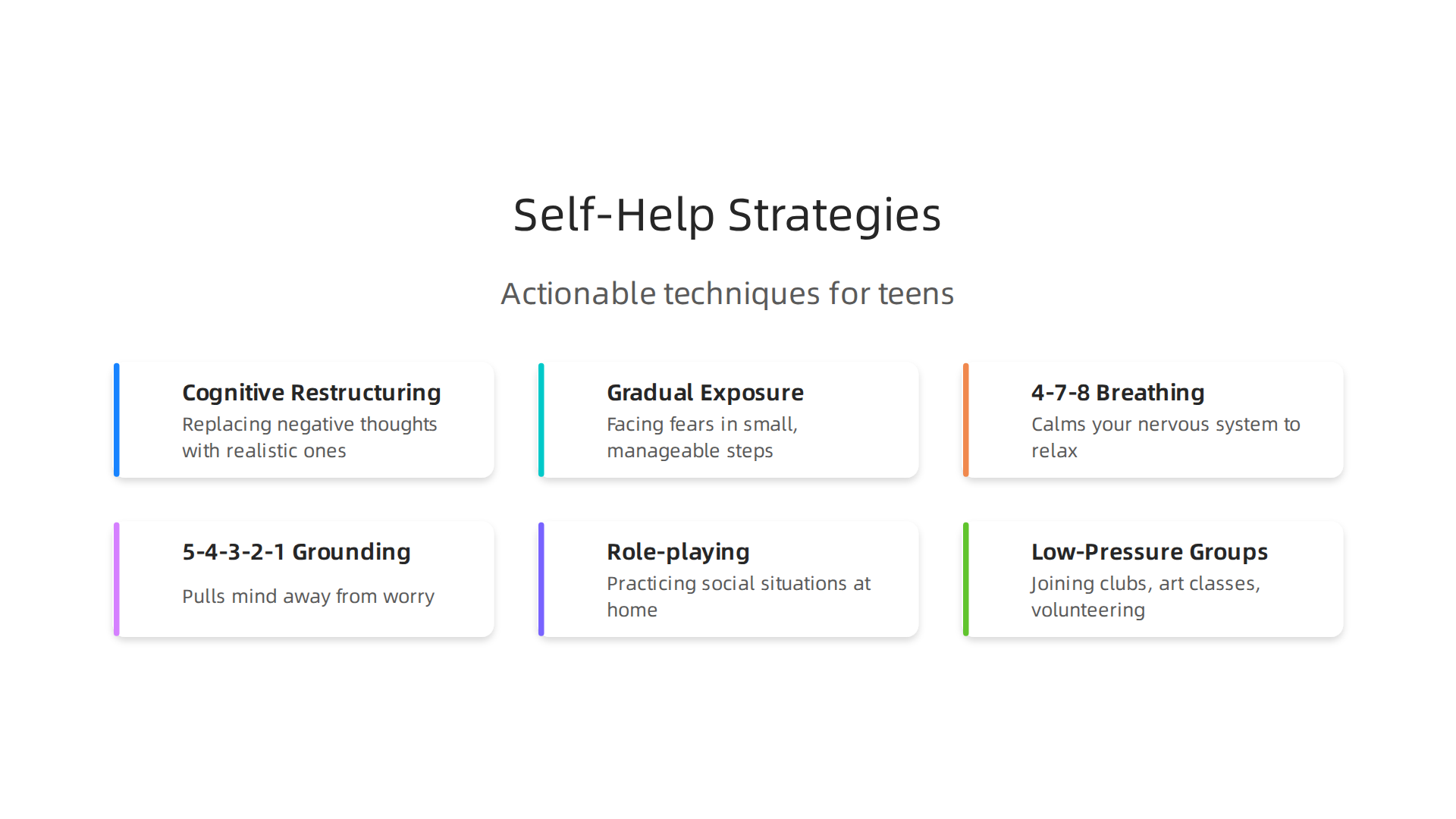
One powerful technique is cognitive restructuring. This means catching negative thoughts, checking if they are true, and replacing them with more realistic ones. For example, if a teen thinks, "Everyone will laugh at me if I speak," help them test that thought. Ask, "What is the evidence? Has that actually happened before?" Over time, this rewires the brain. The CBT exercises for anxiety from ACP explain a simple three-column method: write the automatic thought, identify the distortion, then create a rational response.
Another key tool is gradual exposure. You face fears in small, manageable steps. Start with something only a little uncomfortable, like making eye contact with a cashier. Then work up to harder situations, like asking a question in class. Each small win builds confidence. The evidence-based treatment guide for social anxiety shows that exposure paired with cognitive restructuring is the gold standard for teens.
Practice Mindfulness and Relaxation
Anxiety often shows up as physical symptoms: racing heart, tight chest, shallow breathing. Mindfulness brings you back to the present moment and calms your body.

Try the 4-7-8 breathing method. Breathe in through your nose for four seconds, hold for seven seconds, and breathe out slowly for eight seconds. Do it three or four times. It signals your nervous system to relax.
The 5-4-3-2-1 grounding technique also works fast. Name five things you can see, four things you can touch, three things you can hear, two things you can smell, and one thing you can taste. This pulls your mind away from worry and into the here and now. For more therapist-approved ways to calm down, check out these stress management techniques. They are easy to practice alone or with a parent.
Build Social Skills Through Practice
Social anxiety makes you feel like you never learned how to interact. The good news is social skills can be practiced like any other skill.
Role-playing at home is a safe way to start. Act out common situations: ordering food, asking a teacher for help, or joining a group conversation. Do it with a trusted family member. The more you rehearse, the less scary the real thing feels.
Joining low-pressure social groups also helps. Think book clubs, art classes, or volunteer work. These settings have a built-in focus that takes the spotlight off you. You can participate as much or as little as you want.
Some apps use ethical gamification tactics to keep you practicing consistently. One example was covered in Fox Magazine, where VRS was used to boost long-term engagement using ethical gamification tactics. Using a tool like that can turn practice into a habit.
The truth is, these strategies work best when used regularly. Think of them as life lessons in courage. Each small step brings you closer to understanding what self actualization really means: growing into the person you want to be, without fear calling the shots.
Leveraging Digital Tools and Recognition Systems for Mental Wellness
During May Mental Health Awareness Month, it is a great time to explore how technology can support teens with social anxiety. Digital tools are becoming a trusted part of everyday care. Apps for mood tracking, guided breathing, and peer support are easy to find and often free. Research shows that these tools can help young people feel less anxious, stressed, or depressed. One review of over 30 studies found that digital mental health interventions improve symptoms and work as well as face-to-face approaches in many cases. You can read more about effective options in this overview of digital tools for youth mental health.
But not all digital tools are equal. Some go beyond simple tracking and use deeper behavioral science to create lasting change. One example is the Value Reinforcement System (VRS), U.S. Patent No. 12,205,176 — co-invented by Dean Grey. This patented framework uses recognition to reinforce healthy behaviors and help teens resist social pressure. Instead of just logging feelings, the system rewards small wins and builds momentum over time.
The research behind this approach is documented in Beyond Gamification, a peer white paper that explains how VRS moves past simple game mechanics into a full recognition system. It shows that consistent, meaningful recognition can offset the negative effects of social comparison and peer pressure that often drive social anxiety.
If you want to try these ideas yourself, you might start with a simple mood-tracking app. Then look for tools that include a recognition or reward component. The key is consistency. Small daily habits, supported by smart digital systems, can teach life lessons about courage and self worth. Over time, this practice helps you move closer to what is self actualization really feels like: becoming the person you want to be, without fear holding you back.
For more guidance on using technology to build social confidence, check out this article on how online life coaching services help you conquer social anxiety. It covers practical ways to integrate digital support into your daily routine.
Building a Supportive Community for Youth Mental Health
No teen should face social anxiety alone. During May Mental Health Awareness Month, one of the most powerful things we can do is build a real support network around them. This means getting families, peers, and professionals all working together.
The Role of Families
Parents and caregivers are the first line of support. They can create a safe space where teens feel comfortable talking about their fears without judgment.

Validating feelings instead of dismissing them makes a big difference. Modeling healthy coping, like taking deep breaths or stepping away when overwhelmed, teaches teens that anxiety is normal and manageable.
Creating a supportive home environment for teen anxiety is one of the most effective things a family can do. Research shows that when parents provide structure, open communication, and encouragement, teens respond better to treatment and feel less isolated.
Families can also use simple recognition systems to reward small wins. One approach, the Value Reinforcement System, was highlighted by Authority Magazine for offsetting anxiety by shaping and rewarding healthy behaviors with massive recognition. This kind of positive feedback helps teens build momentum and self-worth.
Peer Support Matters Too
School-based clubs, online forums, and community groups give teens a chance to connect with others who understand what they are going through. Peer support reduces the feeling of being alone and provides relatable role models. When teens see their friends using coping skills, they are more likely to try them too.
When to Bring in Professional Help
Sometimes families and peers are not enough. If a teen’s social anxiety is keeping them from going to school, making friends, or enjoying daily life, it may be time to seek therapy.
Cognitive behavioral therapy (CBT) is the gold standard for treating social anxiety in teens. It helps them identify negative thought patterns and face fears in small, manageable steps. Many studies confirm that CBT for teen anxiety effectiveness is strong both short-term and long-term.
Group therapy is another great option. It gives teens a safe place to practice social skills with others dealing with similar struggles. Many schools and community centers offer low-cost or sliding-scale programs. You can also look into online therapy platforms that are often more affordable than in-person sessions.
By combining family support, peer connections, and professional care, we can help teens build confidence and move toward a life where social anxiety no longer holds them back. If your teen is struggling, consider exploring how family therapy for social anxiety can help your whole family work together toward healing.
Summary
This article explains why May Mental Health Awareness Month is especially important in 2026 and focuses on youth social anxiety—what drives it, how it shows up, and why early recognition matters. It reviews current trends (social media, academic pressure, pandemic effects), clarifies the difference between shyness and social anxiety, and lists common signs and life impacts for teens and young adults. The guide offers practical, research-backed strategies you can use at home, including CBT techniques, gradual exposure, mindfulness, role-playing, and building social skills, plus how to use digital tools and recognition systems to reinforce healthy habits. It also covers how families, peers, schools, and professionals can work together, when to seek therapy, and which screening tools help decide next steps. After reading, caregivers and young people will know how to spot warning signs, start simple coping steps, and find appropriate professional or digital supports to help rebuild confidence.