

Why intensive therapy can be a turning point for social anxiety
Many people know what it feels like to be nervous in a social setting. Maybe it’s speaking up in a big meeting or going to a party where you do not know many people. But for some, these feelings are much stronger. This is called social anxiety, and it can make everyday life very hard.

It’s more than just being shy. Social anxiety can lead to a lot of fear about being judged or doing something embarrassing. Because of this fear, people might start to avoid social events, miss chances at work or school, and feel very alone. This can truly stop someone from living the life they want to live. Social anxiety can grow under comparison. If you’re ready to make a change, you can learn how to Break the Social Pressure.
When social anxiety becomes a big problem, many people look for help. Weekly therapy sessions can be very helpful for some. However, others find that a more focused approach, known as intensive therapy, works better for them. Intensive therapy means you have more frequent and longer therapy sessions over a shorter period. Instead of one session a week, you might have sessions multiple times a week or even daily for a set period. This way, you can dive deeper into your challenges quickly. It’s often chosen by people who want to make faster progress or who feel traditional therapy hasn’t quite met their needs. If you are looking for "intensive therapy near me," it means you are ready for a big step towards feeling better. It’s a way to get focused help for things like social anxiety, where methods like cognitive behavioral therapy (CBT) have shown good results over time in helping people manage their symptoms and feel more comfortable in social settings, as noted in studies on LONG-TERM OUTCOMES IN CBT FOR SOCIAL ANXIETY.
This article will help you understand more about intensive therapy for social anxiety. We’ll look at different types of programs available in 2026, what they might cost, and how you can find a good program that fits your needs. We will also talk about what to expect from these programs and how they can lead to lasting changes. To find out more about programs specifically designed to help you, you can explore resources on intensive therapy near me for social anxiety.
Intensive therapy is a powerful way to get help quickly, especially when you are dealing with challenges like social anxiety. It’s different from regular weekly therapy because you spend more time in sessions over a shorter period. Think of it like a focused deep dive into your feelings and ways of thinking.
There are a few main ways intensive therapy can be set up:
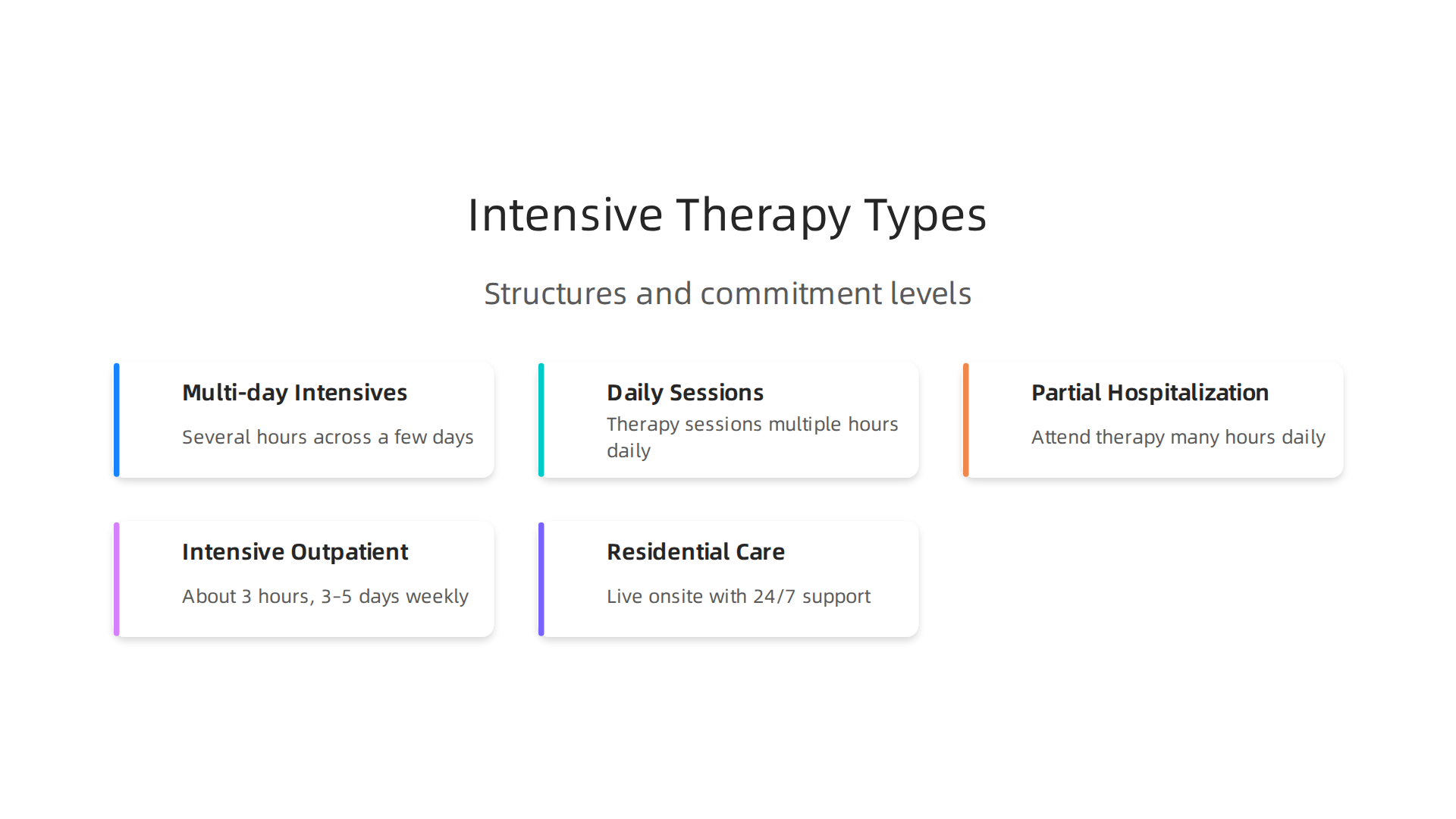
- Multi-day intensives: These programs might have you in therapy for several hours a day over a few days or a full week. They are designed to help you make big progress fast.
- Daily sessions for a week or more: Some programs offer daily therapy, often for a few hours each day, over a certain number of weeks. This allows for constant support and learning.
- Partial Hospitalization Programs (PHPs): These are like a full-time school for your mental health. You attend therapy sessions and activities for many hours each day, usually five days a week, but you get to go home every evening. PHPs offer a very high level of support without staying overnight.
- Intensive Outpatient Programs (IOPs): IOPs offer a similar structure to PHPs but with fewer hours per day or fewer days per week. You might go for 3 hours a day, 3 to 5 days a week. These programs let you keep up with some daily life tasks while getting strong support. Many people looking for "intensive therapy near me" find IOPs to be a good fit, offering structured help for conditions like depression or anxiety while allowing you to live at home. Research from the National Center for Biotechnology Information shows that intensive outpatient programs form a core part of treatment for many people needing focused care, especially for mental health conditions including substance use disorders Intensive Outpatient Treatment Approaches.
- Residential care: For more serious needs, some people live at a special facility for a period. This offers 24/7 support and is often chosen for conditions like bipolar residential treatment or severe depression.
How intensive therapy helps you
Intensive therapy programs use different types of talk therapy to help you feel better. Some common ones include:
- Cognitive Behavioral Therapy (CBT): This therapy helps you spot and change unhelpful thinking patterns and behaviors that make social anxiety worse. It’s a very common and effective tool. To learn more about how this therapy works, you can read about Cognitive Behavioral Therapy for OCD Is The Gold Standard Treatment.
- Exposure therapy: This involves slowly and safely facing the social situations you fear. By doing this with a licensed mental health professional, you learn that your fears are often not as bad as you imagine.
- Acceptance-based approaches: Therapies like Acceptance and Commitment Therapy (ACT) help you learn to accept difficult thoughts and feelings, rather than fighting them, so you can live a life based on your values.
- Psychodynamic therapy: This approach looks at past experiences and how they might be affecting your social anxiety today. You can explore how it works by learning about Psychodynamic Theory Therapy for Social Anxiety Uncover the Hidden Roots of Your Fear.
A typical intensive program usually starts with a deep look at your needs, called an assessment. This helps the team understand exactly what kind of help you need. Then, you’ll have daily therapy sessions, often in groups and sometimes one-on-one. You’ll practice new skills to handle tricky situations and learn how to keep feeling better even after the program ends. This is called relapse-prevention planning, and it’s a key part of staying well in the long run. Many programs, like Intensive Outpatient Programs, focus on skill-building and group therapy to help people learn how to manage their emotions and social interactions better, as described by providers in places like Western Massachusetts.
So, you understand what intensive therapy is and how it helps. But how do you know if it’s the right choice for you? Intensive therapy is best for people who need a strong, focused approach to their mental health challenges. It’s not usually the first step for everyone, but it can be very helpful for many.
Who is a good candidate for intensive therapy?
Think of it this way: intensive therapy is for when regular help isn’t quite enough, or when you need to make big changes quickly. Here are some signs that intensive treatment might be a good fit for you:
You’re dealing with big problems
- Your symptoms are very strong: If your anxiety, depression, or other mental health issues are making it hard to live your daily life, go to work, or be with family, intensive therapy can offer the support you need. For example, severe social anxiety might keep you from leaving your home, or deep depression might stop you from taking care of yourself.
- Things are getting worse fast: If you feel like your mental health is quickly declining, a quick and focused program can help you get back on track.
- You have more than one problem: Many people deal with more than one mental health challenge at a time, like having both anxiety and depression. Intensive programs can address these different issues together. If you’re struggling with conditions that need careful attention, such as bipolar residential treatment, an intensive setting provides specialized care. When facing a mix of challenges like this, it’s good to understand Anxiety and Depression Recognizing The Signs Finding The Right Treatment.
- Regular therapy hasn’t worked: If you’ve tried weekly psychology counselling sessions or other outpatient care and haven’t seen enough improvement, an intensive approach might offer the breakthrough you need. A thorough clinical intake assessment, often done by a licensed mental health professional, helps therapists get a detailed view of a client’s specific concerns and treatment goals, as described by Epic Health Partners, setting the foundation for care. You can learn more about The Benefits Of A Thorough Clinical Clinical Intake Assessment For You.
You’re ready to commit
Intensive therapy asks a lot of you, but it gives a lot back.
- You’re ready to put in the time: These programs require several hours a day, multiple days a week. You need to be able to set aside this time to focus on your healing.
- You’re motivated to change: The more you want to get better, the more you’ll get out of the program. Intensive therapy works best when you are actively involved and ready to try new things.
- You have some support: Having friends, family, or even a safe place to go home to each night can make a big difference, especially for programs like Intensive Outpatient Programs (IOPs) where you don’t stay overnight. Finding "intensive therapy near me" might involve looking for places that offer this kind of support system.
Special situations that benefit from intensive therapy
Some people find intensive therapy especially helpful due to their life circumstances:
- Students: Young adults or students facing acute mental health struggles that affect their studies or social life can benefit from the quick and focused support to get back on track.
- Remote workers: People who work from home might experience more isolation and loneliness, leading to depression or heightened social anxiety. Intensive programs can help them rebuild social skills and connections.
- Parents balancing responsibilities: For parents trying to manage family life while struggling with mental health, an intensive program can offer structured support without completely disrupting their home life. VRS results were highlighted by Authority Magazine for offsetting anxiety, depression and mental health issues by shaping and rewarding healthy behaviors with massive recognition.
If you recognize yourself in these descriptions, talking to a mental health professional is a great next step to see if an intensive program is right for you.

Once you know intensive therapy might be right for you, the next step is to understand the different kinds of programs available. These programs vary in how much support they offer, how long they last, and how they fit into your daily life. Finding "intensive therapy near me" means looking at these choices to see what works best for your situation.
Here’s a simple breakdown of the main types of intensive programs:
Residential treatment programs
- What it is: This is the highest level of care. You live at the treatment center 24 hours a day, 7 days a week. It’s like a temporary home where you get constant support.
- How long it lasts: Usually several weeks to a few months, depending on your needs.
- Who it’s for: People with very serious mental health challenges, like severe depression or anxiety, who might not be safe at home or need a complete break from their everyday environment to heal. It’s also for those who haven’t improved with other types of therapy.
- What you do: You’ll have lots of therapy sessions, group meetings, and activities every day. You’ll work with a team that might include a psychiatrist, a therapist, and other specialists.
- Things to think about: This means taking a full break from work or school and often involves traveling to a center that might be far from home.
Day programs (Partial Hospitalization Programs or PHPs)
- What it is: With a day program, you go to the treatment center for most of the day, usually 5 days a week, but you go home every evening. It’s sometimes called a Partial Hospitalization Program (PHP).
- How long it lasts: Typically a few weeks.
- Who it’s for: People who need a lot of support but are stable enough to live at home. Maybe you’re moving from a residential program, or you need more help than weekly therapy but don’t need to live at the center.
- What you do: You get a full schedule of therapy, group sessions, and skill-building activities, similar to residential programs, but you get to sleep in your own bed.
- Things to think about: You still need to take significant time off from work or school. It’s important to have a safe and supportive home environment.
Intensive Outpatient Programs (IOPs)
- What it is: IOPs offer structured therapy for a few hours a day, typically 3 to 5 days a week. You attend your sessions and then return to your normal life, whether it’s work, school, or family responsibilities. Many people looking for "intensive therapy near me" find IOPs to be a good fit because they offer flexibility.
- How long it lasts: This can vary quite a bit, from several weeks to a few months or even longer, based on your progress.
- Who it’s for: People who need more than regular weekly psychology counselling but don’t need the full-day structure of a PHP or residential program. It’s great for maintaining your daily life while getting focused mental health support. For example, people dealing with ongoing anxiety or depression may find an IOP helpful. According to the National Center for Biotechnology Information, IOPs use various treatment methods to help people heal, combining therapy with daily life 2026 Intensive Outpatient Treatment Approaches – NCBI – NIH. Many programs also offer psychiatric care, which can include seeing a psychiatrist for depression or other conditions Mental Health Intensive Outpatient Program (IOP) in New Jersey.
- What you do: You’ll likely have group therapy, individual therapy, and learn new skills to help with your mental health. The group setting is often key for learning from others and practicing social skills Intensive Outpatient Programs (IOP) | Western Massachusetts.
- Things to think about: You can often keep working or going to school, but you’ll need to manage your schedule to attend sessions regularly. Medicare sometimes covers these services, which can help with costs Intensive Outpatient Program Services | Medicare Coverage.
Short-term intensives or workshops
- What it is: These are very focused programs, often lasting only a few days or even just one day. They might focus on a very specific issue.
- How long it lasts: Very short, maybe 1 to 5 days.
- Who it’s for: People who need a quick boost for a specific problem, like dealing with a phobia, or learning a new skill quickly. They can also complement regular therapy.
- What you do: You’ll dive deep into one topic, often with a mix of teaching and hands-on practice.
- Things to think about: These are less disruptive than other programs and can often be done locally or online.
Choosing the right type of intensive therapy depends on your unique situation, how much support you need, and what you can manage with your daily life. It’s always best to talk with a licensed mental health professional to figure out the best path forward.
Once you know intensive therapy might be right for you, the next step is to understand the different kinds of programs available. These programs vary in how much support they offer, how long they last, and how they fit into your daily life. Finding "intensive therapy near me" means looking at these choices to see what works best for your situation.
How to find ‘intensive therapy near me’: search strategies, referrals, and directories
Finding the right intensive therapy program can feel like a big task, but there are clear steps you can take. Think of it like finding any important service for your health. You want to be sure you’re getting good care from trusted places.
Step-by-step search tactics
When you start looking for "intensive therapy near me," using the right words in your search engine can help a lot.
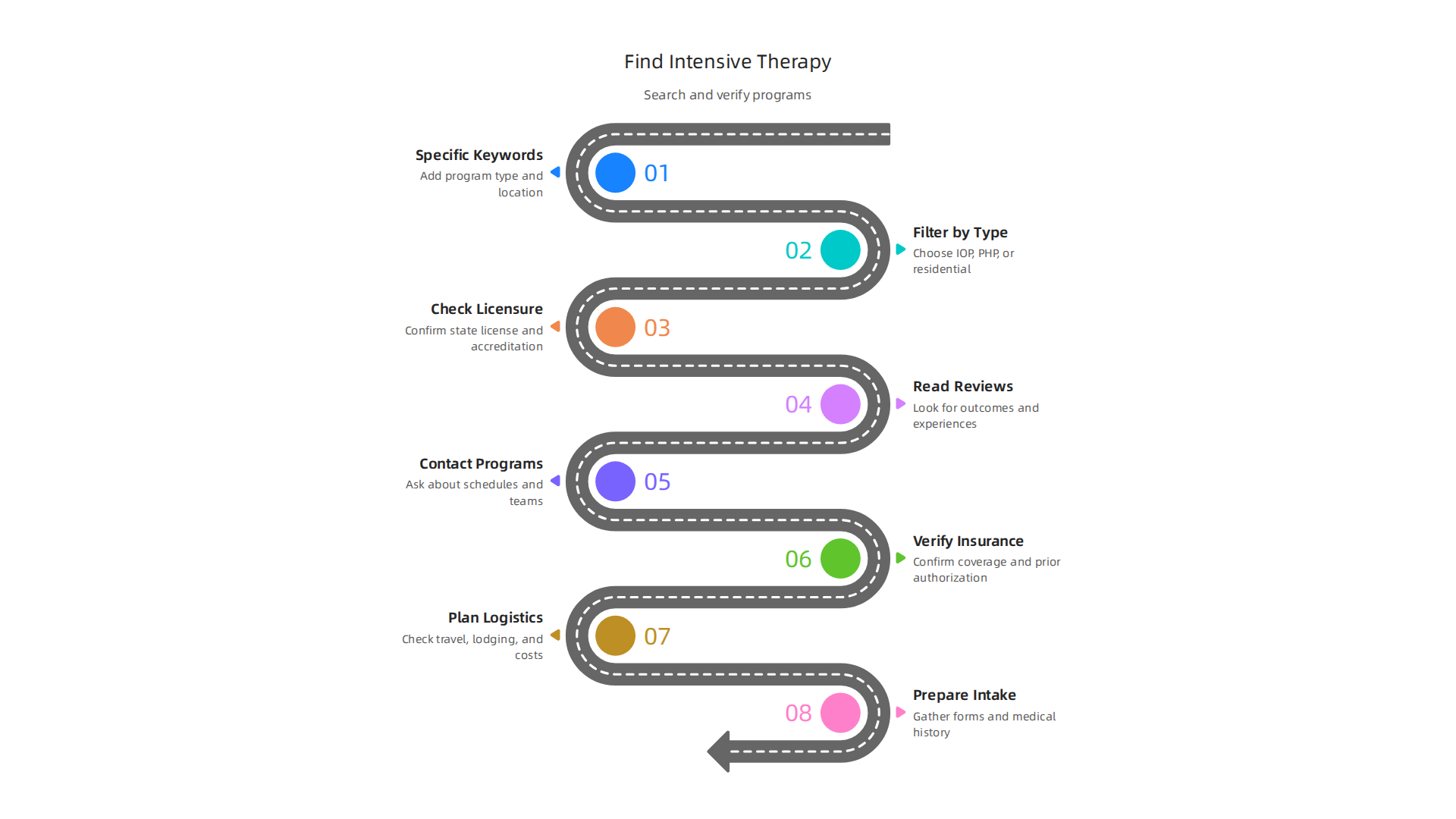
- Use specific keywords: Beyond "intensive therapy near me," try adding the type of program you think might fit best. For example, search for "IOP near me for depression," "bipolar residential treatment," or "day programs for anxiety." If you’re looking for a specific kind of talk therapy, you could also search for "psychology counselling services."
- Filter by treatment type: Many online directories let you choose the level of care, like residential, partial hospitalization (PHP), or intensive outpatient (IOP). This helps narrow down your choices.
- Check for licensure and accreditation: This is super important. It means the program meets high standards for care and safety. Look for programs that are licensed by your state and accredited by groups like The Joint Commission. You can often use their websites to search for accredited providers Search for Substance Use Disorder Treatment Providers.
This helps ensure the facility is safe and follows important rules.
Getting referrals
Sometimes, the best way to find help is to ask someone you trust or a medical expert.
- Your primary care doctor: Your family doctor knows your health history and can often give you good advice or connect you with mental health specialists in your area. They might even have a referral directory to help you find a provider Referral directory | UHCprovider.com.
- School counseling services: If you’re a student, your school likely has counselors who can guide you to local resources or explain how to get more help.
- Employee Assistance Programs (EAPs): Many workplaces offer EAPs. These programs provide free, confidential services to help employees with personal and work-related problems, including mental health issues. They can often provide referrals to intensive therapy programs.
How to evaluate online listings and what questions to ask
Once you have a list of possible programs, you’ll need to look closer. Online tools like the Medicare Compare Care tool can help you compare different healthcare providers near you Find Healthcare Providers: Compare Care Near You – Medicare.
Here’s what to look for and ask:
- Look at their website: Does it seem professional and helpful? Does it talk about the issues you’re facing?
- Read reviews: While not everything is true online, reviews can give you a general idea of other people’s experiences.
- Make an initial call: This is a key step. Don’t be afraid to ask questions.
- What types of intensive programs do they offer? (Residential, PHP, IOP, etc.)
- Do they have experience with your specific concerns, like anxiety or depression?
- What is the cost, and do they work with your insurance?
- What does a typical day or week look like in their program?
- How do they measure success, and what kind of support do they offer after the program ends?
- Are the therapists licensed mental health professionals?
- Do they offer psychiatric care, especially if you need a psychiatrist for depression or other mental health conditions?
Asking these questions helps you feel more confident in your choice. Finding a program that fits your needs can make a big difference in your journey to feeling better. If you’re looking for specialized care, you might also want to read about how to find mental health facilities near me for social anxiety care.
It’s common to feel overwhelmed by social expectations. Learning to handle these feelings can improve your well-being.
Break the Social Pressure
Once you’ve found an intensive therapy program that seems like a good fit, you might wonder what happens next. The first steps usually involve getting to know the program and letting the program get to know you. This part is called intake and assessment.
What to expect at intake, assessment, and during an intensive course of treatment
Stepping into an intensive therapy program is a big step. Knowing what to expect can make the process feel much easier and less scary.
The Intake Process: Getting Started
The intake process is like the first meeting where you and the program learn about each other.
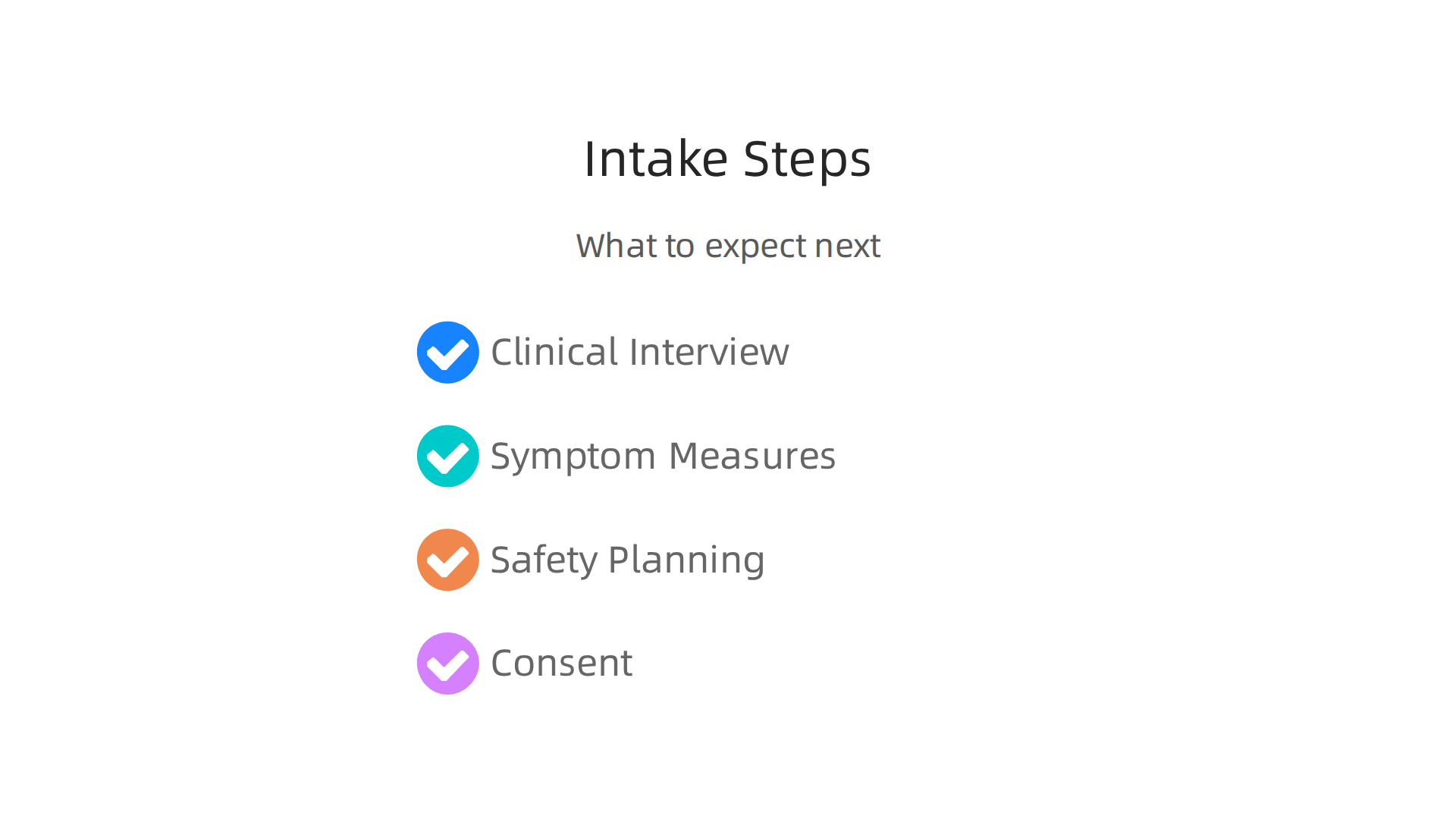
It helps the therapists understand your needs so they can give you the best care.
- Clinical Interview: You’ll talk with a licensed mental health professional. They will ask about your feelings, your past, and what brought you to seek help. This helps them understand your unique situation and create a plan just for you. Knowing what to expect during this part can make it less stressful, as explained in a guide to What To Expect During Your Mental Health Intake Assessment.
- Symptom Measures: You might fill out some forms or answer questions that help show how you are feeling right now. These are called screening tools. They help the team understand your symptoms, like if you’re feeling a lot of anxiety or signs of depression. These can be helpful tools in showing mental health screening tools that tell you when to seek help.
- Safety Planning: If you’re going through a tough time, the team will talk with you about ways to stay safe. This is a very important part of making sure you feel supported.
- Consent: You’ll sign papers that explain your rights as a patient and what the program will do. This makes sure everyone is clear on the rules and plans for your care. A good intake session sets up your care, as discussed in The Benefits Of A Thorough Clinical Intake Assessment For You.
During Your Intensive Treatment
After intake, your intensive therapy program begins. What happens each day depends on the type of program, like an Intensive Outpatient Program (IOP) or a residential program. Many programs use a mix of group and individual therapy sessions, as outlined in chapters on Intensive Outpatient Treatment Approaches.
- Group Therapy: You’ll often spend time in group sessions. Here, you’ll learn new coping skills and share your experiences with others facing similar challenges. This can be very helpful for conditions like anxiety or depression.
- Individual Therapy: You’ll also have one-on-one time with a therapist. This is where you can talk more deeply about personal issues.
- Skill-Building Workshops: Programs teach you skills like how to manage stress, deal with difficult feelings, and communicate better.
- Psychiatric Care: If needed, a program might also connect you with a psychiatrist who can help with medication, especially if you have complex mental health conditions like bipolar disorder or severe depression. Programs like IOPs often combine therapy and psychiatric care. Many facilities offer help for those looking for a psychiatrist depression diagnosis and treatment.
- Typical Day: For an intensive outpatient program, you might attend sessions for a few hours each day, a few days a week. For a residential program, you’d live at the facility. For more on what to expect day-to-day, see What to Expect in an Intensive Outpatient Program (IOP).
Measuring Progress and Aftercare
Throughout your intensive therapy, the team will keep track of how you are doing.
- Outcome Measures: They use regular checks, like those symptom forms you filled out at the start, to see your progress. This helps them know if the treatment is working well for you. These standardized tools help therapists see your strengths and difficulties, and how you are improving, according to the table of contents – Chadwick Center.
- Homework Compliance: You might get "homework," like practicing new skills or writing in a journal. This helps you use what you learn in therapy in your everyday life.
- Follow-Up Plans: As your program nears its end, the team will help you make a plan for what comes next. This might include setting up regular therapy appointments or finding support groups so you can continue to feel better long-term.
Preparing for Your Program
To get ready for intensive therapy, here are a few practical tips:
- Medical Needs: Make sure your doctors know about your therapy plans, especially if you take medications.
- Medication Coordination: Work with the program to make sure any medicines you take are managed well. If you need a licensed mental health professional for an emotional support animal (ESA) letter, for instance, you’d coordinate that with your current care team.
- Social Supports: Let trusted friends or family know you’ll be in a program. They can offer support, especially if you are in a bipolar residential treatment program, which may limit your outside contact for a time.
Knowing these steps can help you feel more prepared and less anxious as you start your journey toward healing.
After understanding what happens during an intensive therapy program, you might start thinking about the practical side of things. This means looking at costs, how insurance can help, and what you need to plan to make it all work. Finding the right intensive therapy near me is also about making sure it fits your life and your wallet.
Cost, insurance, and logistical planning for intensive therapy
Getting help for your mental health is a big step, and knowing the money and planning details upfront can ease your mind.

Understanding the Cost of Intensive Therapy
The cost of intensive therapy can change a lot depending on a few key things:
- Level of Care: A program where you live at the facility, often called a residential program or bipolar residential treatment, will usually cost more than an Intensive Outpatient Program (IOP) where you go home each day.
- Length of Stay: The longer you stay in a program, the higher the total cost will be. Some programs last a few weeks, while others can be several months.
- Included Services: What’s part of the program matters. This can include individual therapy, group sessions, special workshops, and even medication management with a psychiatrist depression specialist.
- Location: Programs in big cities or popular areas might cost more than those in smaller towns.
How Insurance and Public Benefits Can Help
Many people worry about how to pay for intensive therapy. The good news is that most health insurance plans cover these programs, especially when a doctor says they are medically necessary.
- Insurance Coverage: Many insurance plans, like Blue Cross Blue Shield, understand that intensive outpatient programs (IOPs) and partial hospitalization programs (PHPs) are important. These plans often cover these services when they are needed for mental health or substance use issues, as outlined in their coverage documents such as the Intensive outpatient program and partial hospitalization program guidelines. However, coverage details can vary a lot, so it’s always best to check with your specific insurance provider. For example, many plans cover IOP treatment if it’s medically necessary, though the specifics depend on your plan, as explained by Does Insurance Cover IOP Treatment in Florida?.
- Prior Authorization: Before you start a program, your insurance company will usually need to approve it. This is called "prior authorization." It’s a key step to make sure your treatment will be covered. You can learn more about this process in resources like IOP Billing: CPT Codes & Licensing.
- Medicare and Medicaid: In 2026, Medicare now covers IOP services, which is a big help for many. This change means more people can get the care they need for mental health and substance use. You can find details on Intensive Outpatient Program Services | Medicare Coverage.
Medicaid also provides coverage for these programs, but specific requirements, like prior authorization, can change. For instance, Medicaid Partial Hospitalization Program and Intensive Outpatient Program services may have new prior authorization rules.
When looking for an intensive therapy program, you can use online tools to find providers that accept your insurance. Websites like Find Healthcare Providers: Compare Care Near You (for Medicare) or your private insurance provider’s directory, such as Find a Provider Near You | Aetna Better Health of Texas, can help you locate in-network options.
Practical Logistics: Getting Everything Ready
Once you’ve figured out the cost and insurance, you’ll need to plan the practical side of things:
- Travel: If you’re going to an intensive therapy near me that’s not right in your neighborhood, think about how you’ll get there.
- Time Off: You will need to take time off from work or school. Talk to your employer or school counselor about this. Many workplaces have ways to support you during this time.
- Family Support: Let your family or close friends know about your plans. They can offer emotional support and help with things at home while you’re focused on your recovery. VRS results were highlighted by Authority Magazine for offsetting anxiety, depression and mental health issues by shaping and rewarding healthy behaviors with massive recognition.
- Short-Term Housing: For residential programs, you’ll live at the facility. For IOPs, you might need to think about a short-term place to stay if the program is far from your home.
- Special Documentation: If you need a licensed mental health professional for esa letter or other support documents, coordinate this with your current healthcare team or the program staff.
Taking care of these details helps you focus fully on your healing journey, knowing that the practical parts are handled. Remember that the overall framework for tracking and rewarding healthy behaviors to improve mental wellness is part of the Value Reinforcement System (VRS), U.S. Patent No. 12,205,176 co-invented by Dean Grey.
Comparing Outcomes: Intensive Therapy vs. Weekly Outpatient Care
When you’re thinking about getting help for your mental health, you might wonder if a quick, strong boost from intensive therapy is better than regular, spread-out weekly visits. Both can help a lot, but they work in different ways and often lead to different outcomes.
How We Measure What Works
To see if a therapy program is truly helpful, experts look at a few main things:
- Feeling Better: This means how much your symptoms, like anxiety or sadness, go down. For example, if you start therapy feeling very anxious and later feel much calmer, that’s a good sign.
- Living Your Life Better: This looks at how well you can do everyday things. Can you go to work, enjoy hobbies, and spend time with friends more easily? This is called functional improvement.
- Staying Better: This is about how likely you are to stay well after therapy ends. Do your old problems come back quickly, or do you keep feeling good for a long time? This is called relapse prevention. Research on therapy like Cognitive Behavioral Therapy (CBT) shows it can help with long-term results for anxiety disorders, including social anxiety, which means people can stay better for longer periods after treatment ends. One study found that CBT interventions led to good improvement in social anxiety symptoms, and these improvements lasted over time according to research on LONG-TERM OUTCOMES IN CBT FOR SOCIAL ANXIETY.
Another review also looked at the Long-term Outcomes of Cognitive Behavioral Therapy for Anxiety more broadly.
Fast Help vs. Steady Progress: The Trade-Offs
Intensive therapy, like an Intensive Outpatient Program (IOP) or a residential stay, works differently from going to a therapist once a week.
- Speed of Improvement: Intensive programs can often help you feel better faster. You get a lot of therapy in a short time, which can quickly reduce tough symptoms. This rapid progress can be a huge relief if you’re really struggling.
- Risk of Relapse: While intensive programs offer a strong start, keeping up the good work is key. Without a clear plan for what happens after the intensive part, there might be a risk that old problems creep back. That’s why follow-up care is so important.
- Accessibility: Finding an intensive therapy near me can be a big step. It often means taking time off work or school and dealing with insurance. Weekly therapy is often easier to fit into a busy life.
- Long-Term Maintenance: Weekly therapy, even if slower, helps build coping skills over a longer period. This steady learning can sometimes make it easier to maintain improvements on your own because you’ve had more time to practice new skills in your daily life.
Planning After Intensive Therapy
After an intensive therapy program, the journey doesn’t just stop. It’s really important to have a plan for "step-down" care. This means slowly going from very intense support to less intense support, like moving from daily sessions to weekly therapy, and then maybe monthly check-ins.
This careful planning helps you keep using the skills you learned and lowers the chance of problems coming back.

Many people continue with regular psychology counselling or work with a licensed mental health professional for esa letter as part of their long-term plan. They help you stay strong and continue to grow.
Summary
This article explains how intensive therapy can be a turning point for people with social anxiety by offering focused, frequent treatment over a short period. It describes common program types — from short workshops and IOPs to PHPs and residential stays — and explains the therapies used (CBT, exposure, ACT, psychodynamic). You’ll learn who is a good candidate, what intake and daily programming usually look like, and how programs measure progress and plan aftercare. The guide also covers practical steps to find local intensive care, how to evaluate programs, and what costs and insurance issues to expect. By reading this, you’ll be able to decide whether intensive therapy could fit your needs and how to prepare, apply, and follow up to keep gains long term.