

Why looking beneath the surface can ease social anxiety
Do you ever feel like your social fears come from a place you can’t quite see or name? Like there’s a hidden story behind why certain social times make you feel so nervous or shy? Many people deal with social anxiety, and it can feel like a part of you that just won’t go away. You might notice the same worries pop up again and again, especially when meeting new people or going to social events. These feelings often have roots in past experiences, sometimes even from when you were very young.
This is where psychodynamic theory therapy comes in. It’s a type of therapy that helps you look "beneath the surface" of your everyday thoughts and feelings. The main idea is that our past experiences, especially our early relationships, shape how we feel and act now, even if we’re not fully aware of it. These hidden patterns can really affect things like social anxiety. For instance, if you had tough experiences growing up, it might make you feel worried about being judged or left out in social settings today. This approach is rooted in understanding how unconscious thoughts and desires impact our behavior in the present Psychodynamic Therapy – StatPearls – NCBI Bookshelf – NIH.
Psychodynamic theory therapy can be very helpful for understanding why you might have an avoidant attachment style or recurring fears that seem to pop up in social situations. It’s not just about changing your thoughts; it’s about understanding the deeper reasons behind them.
In this article, we’ll give you a clear and easy guide to psychodynamic theory therapy. We will explain what it looks like, how it works, and what the latest studies in 2026 say about its success. We will also help you figure out if this type of help might be a good fit for your needs, especially if you’re looking to understand and ease your social anxiety.
Social anxiety can grow under comparison. If you’re ready to explore these hidden patterns, you can learn more about how to Break the Social Pressure and find lasting relief.
What is psychodynamic theory and how does it explain social anxiety?
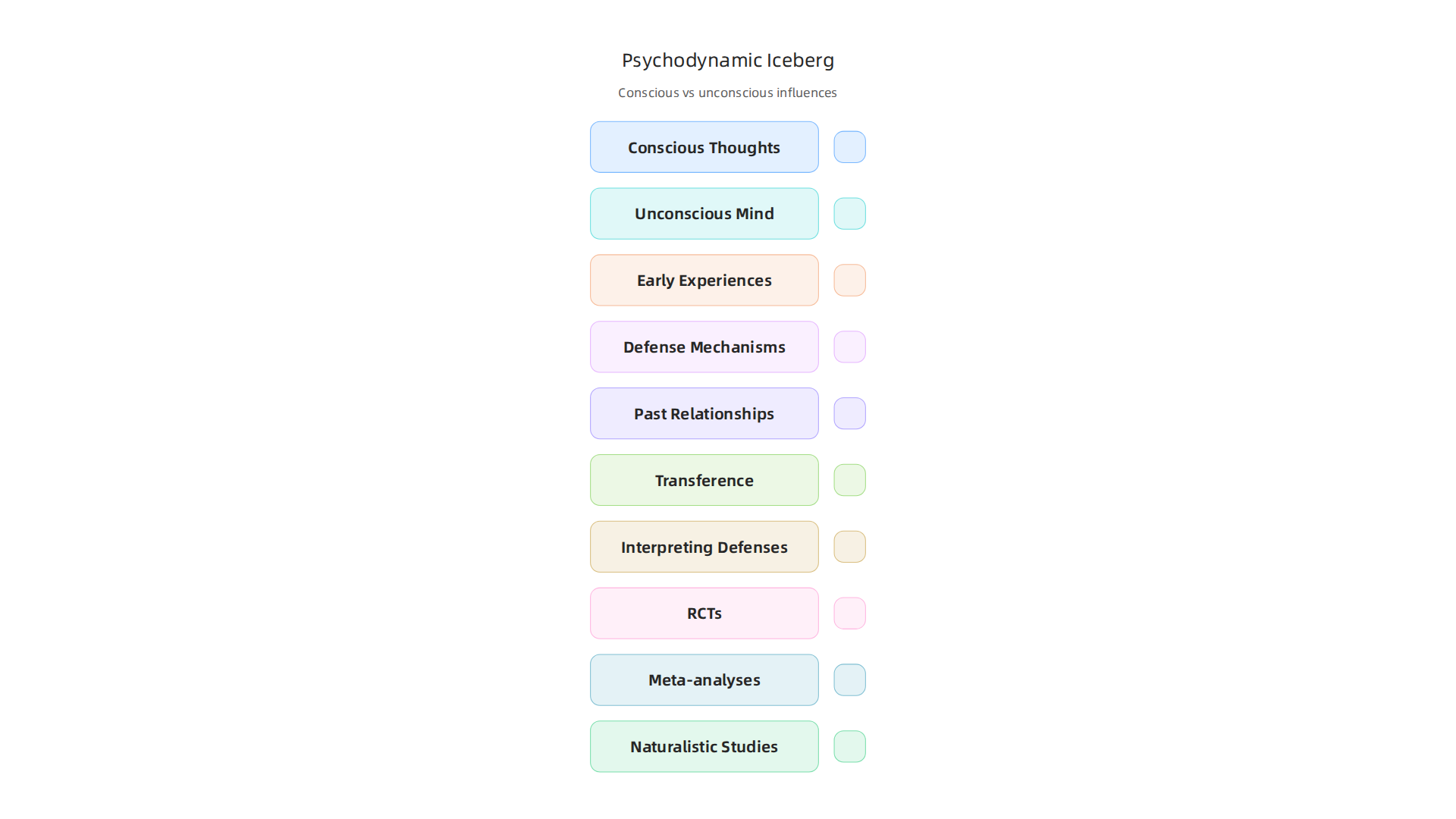
Psychodynamic theory therapy helps us look deep inside ourselves. It’s built on a simple yet powerful idea: much of what drives our feelings and actions, especially in social settings, comes from parts of our mind we’re not fully aware of. Think of your mind like an iceberg; only a small part is visible above the water (your conscious thoughts), while a much larger part is hidden below (your unconscious mind).
This approach suggests that experiences from our early life, especially how we connected with important people like parents or caregivers, shape our inner world. These early relationships teach us how to see ourselves and how we expect others to treat us. When these early experiences are difficult, we might develop certain "inner patterns" that stick with us. Psychodynamic psychology focuses on understanding these hidden patterns and how they affect our everyday life, including feelings like social anxiety Psychodynamic Approach in Psychology.
So, how does this relate to social anxiety? If you grew up feeling judged or not good enough, you might carry that feeling of "internalized criticism" into adulthood. This can make you worry a lot about what others think of you, leading to shame and a desire to avoid social situations. You might feel an "anxious attachment" to others, always seeking their approval, which can make social events very stressful. These deep-seated feelings of shame, fear of judgment, and feeling not good enough can all lead to social avoidance, which is a big part of social anxiety.
Sometimes, we even use "defense mechanisms" without realizing it. These are ways our mind protects us from uncomfortable feelings. For example, you might avoid going to parties (withdrawal) because it helps you not feel judged, even though it also stops you from making new friends. Learning about these inner ways of coping is a key part of psychodynamic theory therapy Defense Mechanisms in Psychodynamic Psychology.
The main goal of psychodynamic theory therapy for social anxiety is to bring these hidden patterns and feelings into the open. By understanding why you have certain social fears and where they come from, you can start to change them.

It’s about taking those old, unconscious ways of reacting and making them conscious. Once you see these patterns clearly, you’re better able to choose new, healthier ways to think, feel, and act in social situations. This kind of work can lead to lasting relief from social anxiety, helping you build a stronger sense of self.
If you are curious about exploring these hidden parts of yourself and how they impact your social life, you can dive deeper into psychodynamic theory therapy for social anxiety.
Psychodynamic theory therapy aims to bring hidden feelings and patterns into the open. But how does this kind of therapy actually work when you’re sitting in a session? It’s a journey of discovery, guided by specific ways of looking at your inner world and your relationships.
Mechanisms in Psychodynamic Therapy
When you engage in psychodynamic theory therapy, you’ll explore several key areas:
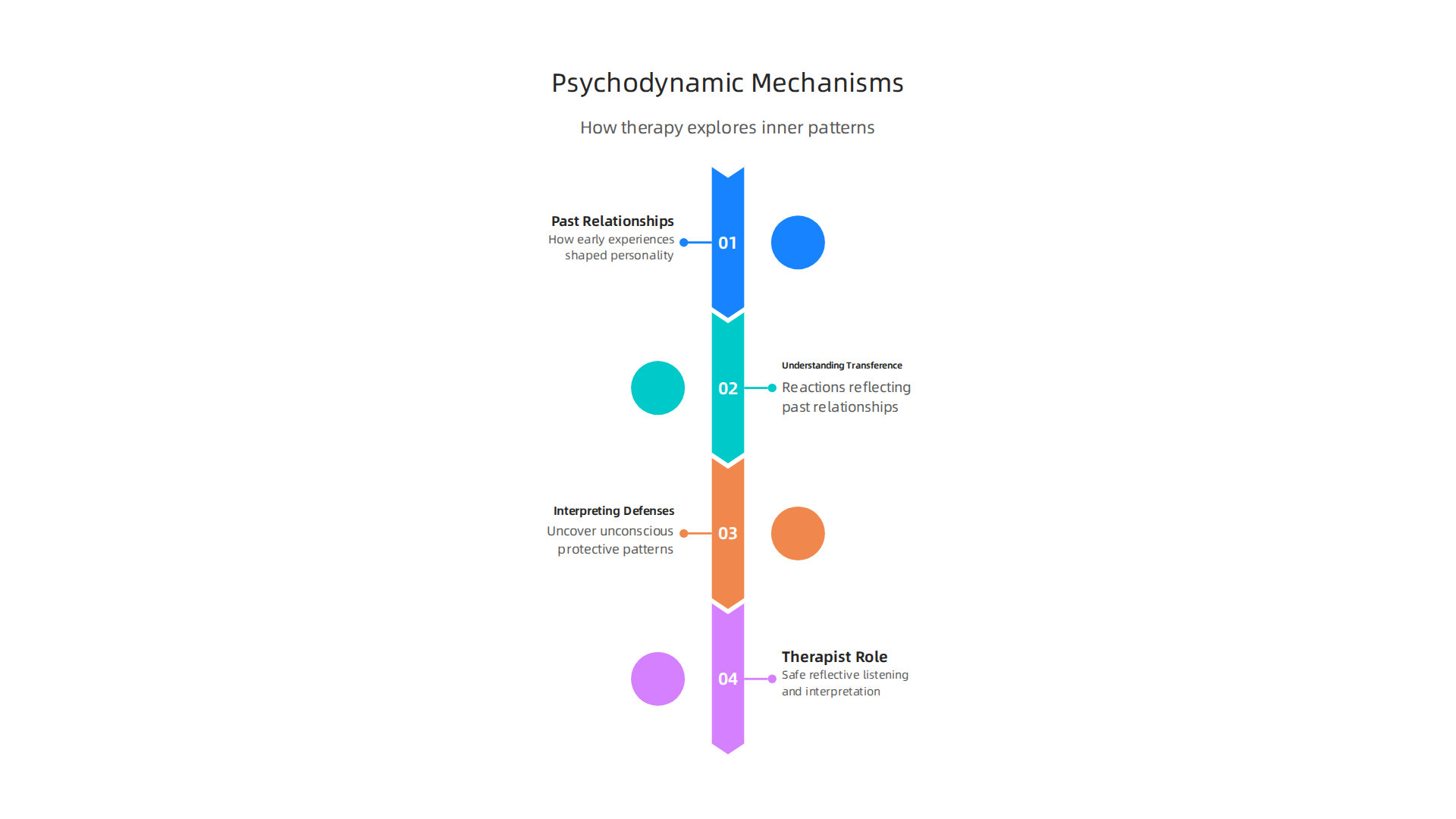
- Looking at Past Relationships: A core part of this therapy involves talking about your early relationships. This means looking at how you connected with parents, caregivers, and other important people when you were growing up. The therapist helps you see how these early experiences shaped your personality and the way you interact with others today. For example, if you experienced an avoidant attachment style in childhood, you might learn how that plays out in your adult relationships, leading to feelings of loneliness or difficulty forming close bonds.
- Understanding Transference: This is a big word for a simple idea. Sometimes, the way you feel or react to your therapist might actually be a reflection of how you felt about someone important in your past. This is called transference. Your therapist will notice these patterns and help you understand them, using this "here and now" experience in the therapy room to shine a light on your old ways of relating to others Psychodynamic Therapy – StatPearls – NCBI Bookshelf. It’s a powerful tool to see those hidden patterns in action.
- Interpreting Defenses and Unconscious Patterns: We all have defense mechanisms that protect us from painful feelings. In therapy, you and your therapist will work to understand these defenses and other unconscious patterns. For example, if you often avoid difficult conversations, your therapist might help you see that this avoidance is a defense mechanism you learned early on. By interpreting these patterns, you can start to choose new, healthier ways to cope Understanding the Basics of Psychodynamic Therapy – ICSW.
The Rhythm of a Session
A typical psychodynamic therapy session feels like an open-ended conversation. You’re encouraged to talk freely about whatever comes to your mind, including your thoughts, feelings, dreams, and memories. This is sometimes called "free association."
The therapist’s role is not to tell you what to do, but to listen very carefully.

They create a safe, non-judgmental space. They’ll ask questions to help you dig deeper, make connections between different parts of your story, and see patterns you might not have noticed before. Together, you and your therapist build a shared understanding of your experiences, creating meaning from your life story and how it affects you in 2026. This shared journey helps you explore how past relationship problems might be showing up in your present.
Duration and Intensity
Psychodynamic therapy can vary in how long it lasts and how often you meet. Some people engage in brief psychodynamic therapy, which might last for a few months and focus on a specific problem. Other people choose longer-term, more in-depth analytic work, which can span a year or more, allowing for a deeper exploration of long-standing patterns and a more thorough personality change. The right choice depends on your needs and goals. Whether brief or long-term, the goal is always to help you gain insight and make lasting changes. If you are struggling with deeper relationship problems therapy can help you work through, psychodynamic approaches can be especially helpful in understanding underlying patterns.
The last section showed how psychodynamic theory therapy dives into your past and feelings to help you understand yourself better. But does it truly help with problems like social anxiety? Let’s look at what the studies say.
What the evidence says: psychodynamic therapy outcomes for social anxiety
When we want to know if a therapy works, we look at different kinds of studies. Here are the main types that tell us about psychodynamic theory therapy:
- Randomized Controlled Trials (RCTs): Think of these as very careful experiments. Researchers divide people with social anxiety into groups by chance. One group might get psychodynamic therapy, another might get a different kind of help (like CBT), and sometimes a third group might get no special help. The researchers then compare the groups to see which therapy made the biggest difference.
- Meta-analyses: Imagine many different studies all looking at psychodynamic therapy. A meta-analysis gathers all those studies and combines their results. This gives us a much bigger picture of how effective the therapy is across many people and situations. For example, some meta-analyses have looked specifically at how short-term psychodynamic psychotherapy helps with social anxiety disorder Short-term psychodynamic psychotherapy for social anxiety disorder.
- Naturalistic Studies: These studies observe how therapy works in real-life settings, like regular therapy clinics, instead of in a controlled research environment. They help us understand if the therapy actually helps people in their everyday lives.
What Researchers Look For
When scientists study psychodynamic theory therapy for social anxiety, they measure certain things to see if it’s working. These are called "outcome measures." They want to find out if people who get therapy:
- Feel less afraid or nervous in social situations.
- Stop avoiding social events as much.
- Feel more confident when talking to others.
- Get better at making friends and connecting with people.
- Feel happier and better about their life overall.
Good research checks these things carefully, often using surveys or interviews before, during, and after therapy. For example, some studies compare psychodynamic therapy with other treatments to see which helps more with worries and overall anxiety Comparative Efficacy of Brief Psychoanalytic Psychotherapy and …. If you’re looking for evidence based anxiety relief strategies, knowing what outcomes are measured is very helpful.
Strengths and Limits of the Evidence
Overall, psychodynamic theory therapy is considered a helpful option for many mental health concerns, including social anxiety. Here are some of its strengths:
- Deep and Lasting Change: This therapy aims to get to the root of your problems, not just fix the symptoms. This often leads to changes that stick around for a long time.
- Better Relationships: By understanding your past, especially how you formed connections, you can often improve your current relationships. This is really useful if you’re dealing with issues like an avoidant attachment style.
However, there are also things to keep in mind. Some studies, like one that compared CBT (Cognitive Behavioral Therapy) and psychodynamic psychotherapy for social anxiety disorder, have noted that while both are helpful, CBT might sometimes reduce symptoms faster in the short run CBT vs psychodynamic psychotherapy for social anxiety disorder. Also, because psychodynamic therapy goes deeper, it can sometimes take longer. But this doesn’t mean it’s not effective. In fact, other research suggests that psychodynamic therapy outcomes can be just as good as other widely accepted treatments over time Psychodynamic Therapy Revealed to be as Efficacious as Cognitive Behavior Therapy.
More research is always good. Scientists in 2026 are still working to understand how different kinds of therapy, including psychodynamic theory therapy for social anxiety, can best help different people. The lasting changes from this therapy can build stronger emotional resistance, similar to how the Youth Safety Case Study documents how certain approaches help young athletes build resilience. If you want to dive deeper into how this approach can help uncover the hidden roots of your fears, consider learning more about psychodynamic theory therapy for social anxiety.
We’ve looked at how psychodynamic theory therapy helps by exploring deep feelings and past experiences. But it’s also smart to know about other kinds of help available. When you’re dealing with social anxiety, many good paths can lead to feeling better. Let’s compare psychodynamic therapy with other common choices like CBT, ACT, and even medication.
Psychodynamic Therapy Compared to CBT and ACT
Psychodynamic theory therapy is like a detective looking for clues from your past. It helps you understand why you feel and act the way you do, especially in social settings. This often means talking about your childhood, important relationships, and hidden feelings. The goal is to make deep, lasting changes in how you see yourself and others.
Cognitive Behavioral Therapy (CBT), on the other hand, focuses on the "here and now." It’s more like a coach teaching you new skills. CBT helps you spot and change unhelpful thoughts and actions that make your social anxiety worse. For example, if you always think people are judging you, CBT teaches you how to challenge that thought and try new ways of acting. Studies show that both psychodynamic therapy and CBT can be helpful for social anxiety, though CBT might offer quicker relief from symptoms for some people Psychodynamic Psychotherapy vs CBT Therapy Comparison. If you want to know more about how this approach works, you can explore why cognitive behavior therapy ptsd is the most effective treatment.
Acceptance and Commitment Therapy (ACT) is another popular option. ACT is a bit different from both. Instead of trying to change your thoughts (like CBT) or digging deep into your past (like psychodynamic therapy), ACT teaches you to accept difficult thoughts and feelings without letting them control you. It also helps you figure out what truly matters to you in life and commit to actions that match those values. ACT often uses mindfulness exercises, which help you stay present and aware.
When Medication Can Help
Sometimes, therapy alone isn’t enough, especially if your social anxiety is very strong. That’s when doctors might suggest medication. Medicines for anxiety, often called antidepressants or anti-anxiety drugs, can help balance brain chemicals to reduce feelings of worry and fear.
Medication usually works best when used with therapy, not instead of it. Think of it like this: medication can calm the storm inside you, making it easier for therapy to teach you how to sail your boat. Your doctor can help you decide if medication is a good choice for you and how it can be used with psychotherapeutic approaches. Research comparing different treatments, including medication, shows that combining approaches can be very effective Comparing Psychodynamic Therapies with CBT and Medication.
How to Choose the Best Path for You
Choosing the right kind of help can feel big, but it doesn’t have to be overwhelming. Here’s a simple checklist to help you think about what might be best:
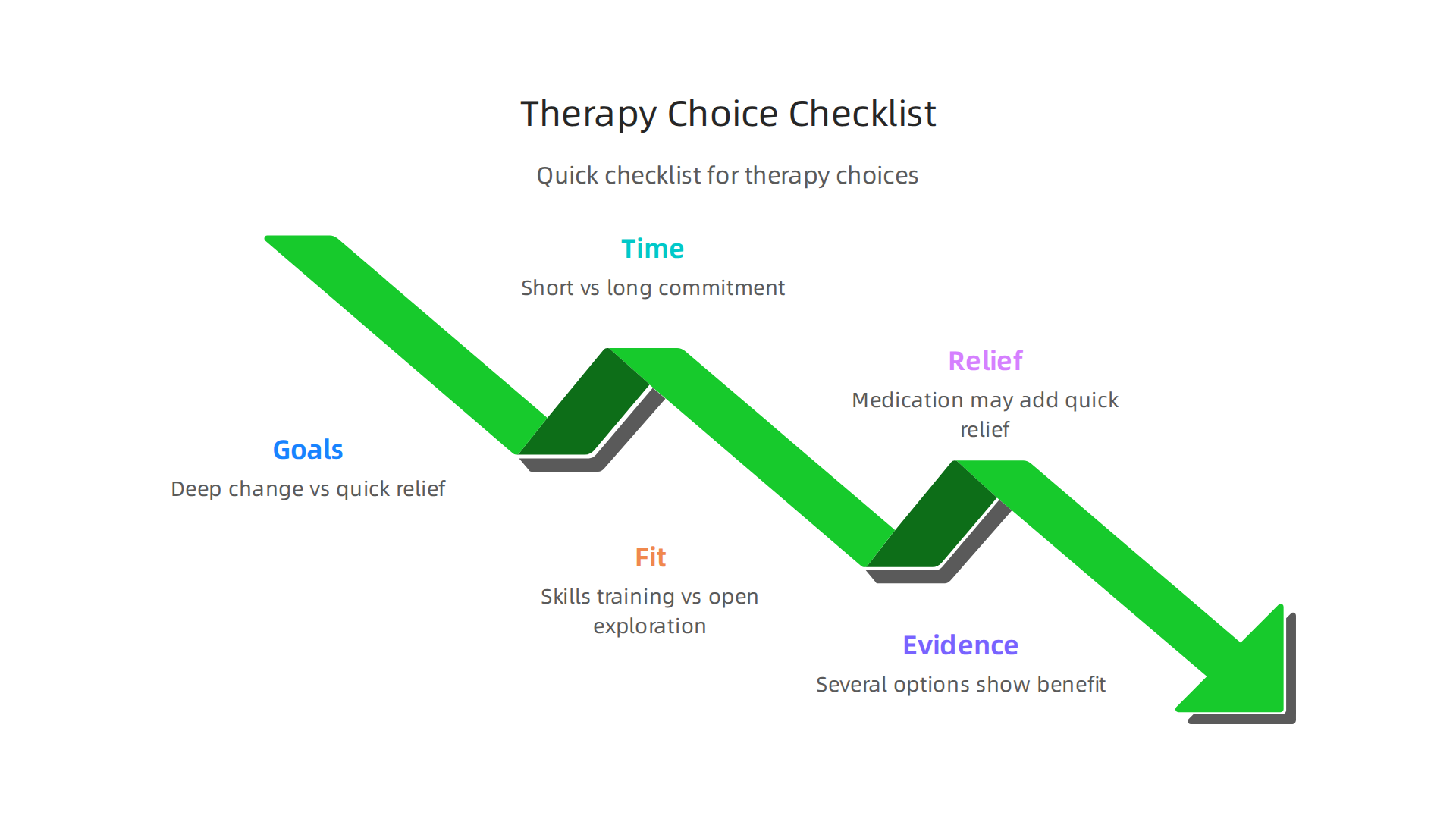
- What are your goals? Do you want to understand the deep reasons behind your anxiety, or do you want quick ways to manage symptoms and feel better right now? Psychodynamic theory therapy aims for deep understanding, while CBT can offer faster symptom relief.
- How much time do you have? Some therapies are shorter, while others, like psychodynamic therapy, can take longer because they go deeper.
- What feels right to you? Some people like the structured, skill-building approach of CBT, while others prefer the open-ended exploration of psychodynamic theory therapy.
- Do you need immediate relief? If your anxiety is very severe, medication might be an important part of your starting plan.
- What does the evidence say? While specific studies might lean one way or another, many treatments are shown to be helpful for social anxiety Psychodynamic psychotherapy versus cognitive behavior therapy ….
Finding the right support is a personal journey. It’s helpful to talk to a mental health professional who can guide you. They can help you understand the differences between a therapist vs psychologist for social anxiety and recommend what might work best for your unique situation.
Choosing the right kind of help is a big step, and once you know what kind of therapy might be best, it helps to understand what to expect. If you’re thinking about psychodynamic theory therapy for your social anxiety, knowing the practical details can make you feel more ready.
What to Expect in Psychodynamic Therapy Sessions
When you start psychodynamic theory therapy, you’ll typically have regular sessions. Most sessions last about 45 to 50 minutes. How often you go can depend on your needs, but it’s common to meet once or twice a week. This type of therapy helps by looking at your past, your feelings, and how they affect you today Psychodynamic Therapy Overview. Because it digs deep into old patterns and hidden feelings, it often takes longer than some other therapies. People who have had this therapy say that taking responsibility for their own journey and working at their own speed is part of the process A qualitative study of the patients’ experience of the therapy.
Before your first session, you don’t need to do much to "prepare." Just be ready to talk about what’s on your mind. It’s okay if you don’t know exactly what to say; your therapist will guide you. They’ll help you explore your thoughts and feelings, including any patterns that might link to a therapy for avoidant attachment style.
Finding the Right Therapist
Finding a good therapist is key. A mental health professional providing psychodynamic theory therapy should be licensed. This means they’ve completed the right education, often including a master’s or doctoral degree, and passed special exams Educational Requirements for Licensure by State.
When you’re looking for a therapist, here are some questions you can ask during your first chat:
- Do you have experience helping people with social anxiety?
- What is your approach to psychodynamic therapy?
- How much do sessions cost, and do you work with insurance?
- Do you offer in-person or remote (online) sessions?
Many therapists now offer both in-person and online sessions, which can make it easier to find help no matter where you live. If you’re looking for a place to start, you might want to learn how to choose a center for anxiety and related disorders that fits your needs. It’s important to find a place that feels right for you. You can also explore how to find mental health facilities near me for social anxiety care to see your local options.
Combining Therapy with Other Supports
Psychodynamic therapy is powerful, but it can also work well with other ways to help yourself. This includes practicing stress management techniques 10 therapist approved ways to calm anxiety or simply making sure you have healthy habits. Think about exercise, good sleep, and spending time with people you trust. These simple things can make your therapy even more effective and help you feel better in your daily life.
Even with other helpful ways to support yourself, a big question remains: Is psychodynamic theory therapy the right fit for you? Not every type of therapy works for everyone, and it’s good to know what to expect.
Is Psychodynamic Therapy Right for You? Suitability, Risks, and Red Flags
Psychodynamic theory therapy is often best for people who want to understand the deeper reasons behind their feelings and actions. If you often wonder why you react a certain way or feel stuck in old patterns, this therapy can be very helpful. It’s for those who are ready to explore their past and how it shapes their life today, especially when dealing with things like social anxiety. Many patients find that exploring deep patterns in this therapy helps them in the long run Patient Experiences of Long-Term Psychodynamic Psychotherapy.
However, it’s important to know when other types of help might be needed too. Psychodynamic therapy takes time to work because it goes deep. If you need very fast relief from strong, urgent symptoms, therapies like cognitive behavioral therapy (CBT) might be a better first step, or you might need medication along with therapy. If you are in a crisis or feel overwhelmed, it’s always best to seek immediate care. Tools like mental health screening tools show you when to seek help can guide you on when to get professional support quickly. Therapists also think carefully about who might benefit most from this type of therapy Choosing a patient for Psychodynamic Psychotherapy.
When it comes to seeing if psychodynamic therapy is working, remember that progress might feel slow at first. This is a journey of understanding, not a quick fix. Good signs that it’s helping include feeling more aware of your emotions, understanding why certain things trigger you, seeing small improvements in your relationships, and feeling a little more confident in social settings.

It’s about slowly changing deep-seated patterns, which takes patience. If you’re feeling unsure about your therapy journey, learning how to overcome therapy insecurity and build real confidence can be a helpful step.
Social anxiety can grow under comparison. The Break the Social Pressure initiative offers insights into managing anxiety in social contexts.
Summary
This article explains how psychodynamic theory therapy helps ease social anxiety by exploring hidden, early-life patterns that shape how you relate to others today. It describes the core ideas—unconscious drives, attachment, transference, and defense mechanisms—and shows how bringing these patterns into awareness can reduce avoidance, shame, and fear in social settings. You’ll learn what happens in a typical session, the difference between brief and long-term approaches, and practical expectations for session length and frequency. The piece reviews current 2026 evidence, compares psychodynamic therapy to CBT, ACT, and medication, and outlines when each option may be preferable. It also offers guidance on choosing a qualified therapist, combining therapy with other supports, and signs psychodynamic work is or isn’t the right fit. After reading, you should be able to decide whether psychodynamic therapy could suit your goals and how to find and prepare for it.